How to Transplant Chestnut-leaved oak?
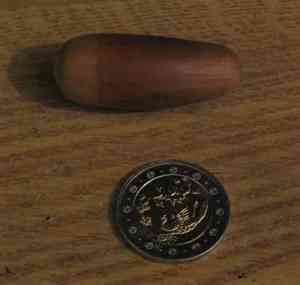
The optimal period for relocating chestnut-leaved oak spans from mid-spring to late spring, a phase of vigorous development. Select a location featuring adequately draining soil and exposure to partial or full sun. Careful manipulation of the root system throughout the procedure is recommended for enhanced integration.
What Preparations are Needed Before Transplanting Chestnut-leaved Oak?
What is the Ideal Time for Transplanting Chestnut-leaved Oak?
The optimal period for moving chestnut-leaved oak is during the lively days of early to mid-spring, a time that encourages strong development. Planting chestnut-leaved oak then allows roots to settle in mild temperatures and benefit from spring rains. This guarantees a smooth transition, reducing stress on chestnut-leaved oak and fostering healthy growth before summer's heat arrives. Cultivate your chestnut-leaved oak within this prime window for a flourishing garden.
How Much Space Should You Leave Between Chestnut-leaved Oak Plants?
When relocating chestnut-leaved oak, envision each one as a future giant, requiring ample room to flourish. Aim to provide a generous spacing of approximately 35-40 ft apart (10.7-12.2 m), so they have sufficient space to extend their branches.
What is the Best Soil Mix for Chestnut-leaved Oak Transplanting?
For chestnut-leaved oak, you'll want to enrich the ground they will inhabit. Select well-draining soil, and incorporate some aged compost or a balanced slow-release fertilizer to give them a robust start. Consider it a nourishing welcome meal for their roots!
Where Should You Relocate Your Chestnut-leaved Oak?
Find a sunny spot for your chestnut-leaved oak to absorb the light. Full sunlight is what they prefer most, so locate an open area where they can enjoy at least 6 hours of direct sunlight daily. A bright move for a happy plant!
What Equipments Should You Prepare Before Transplantation Chestnut-leaved Oak?
Shovel or Spade
For digging around and lifting the chestnut-leaved oak.
Gardening Gloves
To safeguard your hands while handling soil and the plant.
Watering Can or Hose
To hydrate the chestnut-leaved oak before and after its relocation.
Wheelbarrow or Tarp
For moving the chestnut-leaved oak from its original spot to the new location.
Pruning Shears
To trim any broken or damaged roots or branches.
How Do You Remove Chestnut-leaved Oak from the Soil?
How Do You Remove Chestnut-leaved Oak from the Soil?
From Ground: Water the chestnut-leaved oak thoroughly before digging it out to make the soil easier to manage. Use a shovel to excavate a wide trench around the chestnut-leaved oak, being careful to preserve a large root ball. Gently slide the shovel beneath and carefully lift the plant from its position.From Pot: Water the chestnut-leaved oak and gently tap the pot's sides to loosen the soil. Tilt the pot and slide the root ball out, trying not to disturb the roots excessively.From Seedling Tray: Water first to moisten the soil, then use a tool or your fingers to lift the plant from the tray, including as much of the root system as possible.
Step-by-Step Guide for Transplanting Chestnut-leaved Oak
Transport Preparation
After removal, place the chestnut-leaved oak on a wheelbarrow or tarp to minimize stress during its journey to the new planting site.
Inspect Roots
Examine the root ball and use pruning shears to trim any damaged or overly long roots. This will encourage new growth.
Prepare New Site
Dig a hole in the ground that is twice the width of the root ball but no deeper. The chestnut-leaved oak should be planted at the same depth it was growing previously.
Position chestnut-leaved oak
Place the chestnut-leaved oak in the center of the prepared hole. Adjust its orientation for the best display of the chestnut-leaved oak.
Backfill Hole
Gradually fill the hole with soil around the root ball, gently compacting the soil to eliminate air pockets.
Water Generously
Immediately after planting, water the chestnut-leaved oak thoroughly to help settle the soil and hydrate its roots.
Stake If Necessary
If the chestnut-leaved oak is tall or in a windy area, install a stake and tie the chestnut-leaved oak to it for support, avoiding tight ties that restrict growth and movement.
How Do You Care For Chestnut-leaved Oak After Transplanting?
Mulching
Apply a layer of organic mulch around the base of chestnut-leaved oak to retain moisture and reduce weed competition.
Watering
Ensure the soil remains consistently moist for the initial year post-transplant to promote root establishment.
Pruning
Perform minimal pruning after transplanting, removing only dead or broken material. Allow the chestnut-leaved oak to prioritize energy on root development.
Monitoring
Watch for indications of transplant shock, such as wilting or discolored leaves, and take appropriate action if required.
Troubleshooting Common Issues with Chestnut-leaved Oak Transplantation.
What's the best time to transplant chestnut-leaved oak?
Ideally, relocate chestnut-leaved oak during the prime transplantation window from mid to late spring for optimal establishment.
How far apart should chestnut-leaved oak be planted?
Provide ample space for growth, positioning chestnut-leaved oak at intervals of 35-40 feet (10.7-12.2 meters) apart.
What should I do if chestnut-leaved oak's leaves droop after transplanting?
Ensure consistent moisture; drooping leaves often indicate water stress. Check soil dampness and increase watering if necessary.
Why is my chestnut-leaved oak not thriving after transplanting?
Assess soil quality, adequate watering, and sunlight exposure. Improper conditions can impede chestnut-leaved oak's establishment post-transplant.
How deep should the hole be for transplanting chestnut-leaved oak?
The hole should be just as deep as the root ball but twice as wide, promoting root spread.
Should I amend the soil when planting chestnut-leaved oak?
Mix in compost or aged manure to enrich the site, fostering a nurturing environment for chestnut-leaved oak's roots.
Can I transplant chestnut-leaved oak in the fall?
It's best to transplant in spring. Fall transplanting risks cold damage before chestnut-leaved oak can establish.
How long does it take for chestnut-leaved oak to establish?
With proper care, expect chestnut-leaved oak's roots to establish within a growing season, showing vigorous growth by the next.
How do I protect the chestnut-leaved oak after transplanting?
Mulch around the base to retain moisture and regulate soil temperature, and shield from strong winds if necessary.
Is regular pruning needed after transplanting chestnut-leaved oak?
Prune only broken or damaged branches. Otherwise, allow chestnut-leaved oak to focus energy on root establishment before regular pruning.



