How to Transplant White oak?
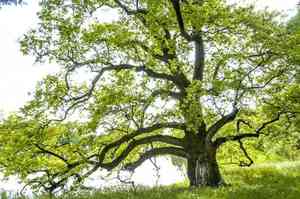
White oak flourishes when relocated between late spring and midsummer, benefiting from moderate temperatures and extended periods of daylight. Select a site with good drainage, ideally receiving partial sun exposure. Handle its fragile root structure with care to achieve the best outcome.
What Preparations are Needed Before Transplanting White Oak?
What is the Ideal Time for Transplanting White Oak?
The optimal period for relocating white oak spans from late spring to mid-summer. This timeframe ensures ample warmth and rainfall for easier establishment, fostering robust root development. Your white oak will flourish, and you'll soon enjoy a beautifully settled plant.
How Much Space Should You Leave Between White Oak Plants?
When moving your white oak, provide ample room for the young trees. Aim for a separation of approximately 50-80 feet (15-24 meters). They will appreciate the space to grow large and strong!
What is the Best Soil Mix for White Oak Transplanting?
For your white oak, the perfect soil is well-draining and slightly acidic. Incorporate a good blend of compost and aged manure to create this ideal foundation. Adding a slow-release, balanced fertilizer will give your plant an excellent start!
Where Should You Relocate Your White Oak?
Select a site that receives full sun or partial shade for your white oak. They will thrive with about 6 hours of daily sunlight but can tolerate some shade. Ensure the area is large enough to accommodate their mature size.
What Equipments Should You Prepare Before Transplantation White Oak?
Gardening Gloves
To safeguard your hands while handling soil and plants.
Shovel or Spade
For digging holes in the ground to transplant the white oak.
Pruning Shears
To trim roots and branches if necessary.
Watering Can or Hose
To hydrate the white oak before and after its relocation.
Wheelbarrow or Tarp
To move the white oak's root ball from its original spot to the new planting location.
Soil Amendment
To enhance soil quality, if required.
How Do You Remove White Oak from the Soil?
How Do You Remove White Oak from the Soil?
- From Ground:First, moisten the white oak plant's soil. Then, excavate a wide trench around the plant using a shovel or spade, ensuring the plant's root ball remains intact. Carefully work the spade beneath the root ball to lift the plant from its initial position. Place the plant on a wheelbarrow or tarp to prevent root damage.- From Pot:Water the white oak plant and gently tip the pot to extract the plant with its undisturbed root ball. If the plant is severely root-bound, carefully loosen the roots with your fingers or pruning shears.- From Seedling Tray:Dampen the soil in the tray and use a small gardening tool or your fingers to lift the white oak seedling from the tray. Be gentle and ensure the root ball stays intact.
Step-by-Step Guide for Transplanting White Oak
Preparation
Select a planting location that fulfills the white oak plant's light and spatial requirements. Enrich the soil with organic matter if needed.
Dig a Hole
Excavate a hole that is twice the width of the root ball and equivalent to its depth.
Prepare the Plant
Trim any damaged or excessively long roots, especially if the plant was removed from the ground or is root-bound.
Place the Plant
Carefully position the white oak plant in the hole, ensuring the root ball is level with the surrounding soil. Adjust the hole's depth if necessary.
Backfill
Fill the hole halfway with soil, and water the white oak to settle the soil around the roots. Finish filling the hole with soil and gently compact it.
Water
Water the white oak thoroughly after transplanting to ensure root contact with the soil and to eliminate air pockets.
How Do You Care For White Oak After Transplanting?
Watering
Keep the soil around the white oak consistently moist, but not waterlogged, for the initial weeks post-transplant to aid in establishing strong roots.
Mulching
Apply a layer of organic mulch around the white oak to retain soil moisture, regulate temperature, and suppress weeds. Keep the mulch a few inches away from the trunk to prevent rot.
Pruning
Prune the white oak plant sparingly during the first year after transplanting to allow the roots to establish. Remove any dead, damaged, or diseased branches as necessary.
Fertilizing
Wait until the white oak has exhibited new growth before applying a slow-release fertilizer, adhering to the package instructions for application rates and frequency.
Troubleshooting Common Issues with White Oak Transplantation.
When is the best time to transplant white oak?
The optimal period to transplant white oak is from late spring to midsummer, allowing its roots to establish before winter.
What is the recommended spacing for white oak?
To provide ample growing space, position white oak approximately 50-80 feet (15-24 meters) apart.
How deep should the planting hole be for white oak?
Dig a hole twice the root ball's width and equally deep, enabling the plant's roots to spread easily.
What type of soil does white oak prefer?
White oak thrives in well-draining, fertile loam or sandy loam with a pH of 6.0-7.0.
How much water does white oak need after transplanting?
Water white oak deeply after transplanting, then maintain moist soil, about 1 inch (25 mm) of water weekly.
How can I help white oak acclimate to its new location?
Aid white oak in acclimating by mulching around its base, shielding it from weather and preserving soil moisture.
How can I protect white oak from transplant shock?
Ensure correct planting depth and consistent watering post-transplant. Applying root stimulator can also help reduce shock.
When should I prune white oak after transplanting?
Lightly prune white oak to remove dead, damaged, or diseased branches during the dormant season after transplanting.
How can I identify if white oak is suffering from transplant stress?
Typical indicators of transplant stress in white oak include wilted or yellowing leaves, stunted growth, and dieback.
What should I do if white oak shows symptoms of transplant stress?
If white oak exhibits transplant stress symptoms, maintain consistent watering, refrain from fertilizing, and prune any dead or damaged branches.



