How to Transplant Asian pear?
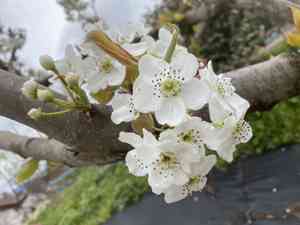
The optimal period for relocating asian pear is as winter's cold recedes, providing a mild environment conducive to root development. Select locations that receive ample sunlight and possess soil with good drainage. Guarantee regular irrigation after the move to facilitate a seamless adjustment.
What Preparations are Needed Before Transplanting Asian Pear?
What is the Ideal Time for Transplanting Asian Pear?
The optimal period for relocating asian pear is during the early vigor of spring. This season provides a mild environment that supports the root development of asian pear, preventing exposure to extreme summer heat or winter cold. Transplanting at this time allows asian pear to benefit from ideal soil moisture and extended daylight, which are vital for smooth acclimation and strong growth in subsequent months.
How Much Space Should You Leave Between Asian Pear Plants?
Prepare your garden by excavating holes for your asian pear plants. Each hole should be positioned approximately 15 to 20 feet (4.5 to 6 meters) apart. This spacing provides asian pear ample room to develop without overcrowding.
What is the Best Soil Mix for Asian Pear Transplanting?
For asian pear, a loamy or sandy soil type is most suitable. Prior to transplanting, enrich the soil with a foundational fertilizer rich in phosphorus and potassium. Organic compost is also an excellent option. This will provide asian pear with a nutrient-dense beginning.
Where Should You Relocate Your Asian Pear?
Select a site that receives abundant sunlight, ideally 6-8 hours daily. Asian pear thrives in sun, which promotes robust and healthy growth. Avoid areas with excessive shade to ensure asian pear receives adequate light.
What Equipments Should You Prepare Before Transplantation Asian Pear?
Gardening Gloves
To safeguard your hands while handling soil and the asian pear plant.
Shovel
Necessary for digging a trench to extract the plant from its original spot and subsequently, for preparing the new planting hole.
Spade
Useful for digging beneath the root ball when lifting the plant from its initial location.
Gardening Fork
An excellent tool for loosening the soil surrounding the plant.
Pruning Shears
Crucial for trimming roots if required.
A wheelbarrow or Tarp
For moving the plant from one place to another.
A hose and watering can
To keep the root ball moist throughout the process.
How Do You Remove Asian Pear from the Soil?
How Do You Remove Asian Pear from the Soil?
From Ground: First, water the asian pear plant to moisten the surrounding soil. Next, dig a wide trench around the plant using the shovel, ensuring the root ball remains undisturbed. Carefully use the spade to lift the plant and its root ball from their original position.From Pot: Water the plant before beginning. Turn the pot on its side, gently hold the asian pear plant by its base, and carefully slide it out. You might need to tap the pot's base to release it.From Seedling Tray: Fill each cell with damp compost. Sow the seeds on the surface, then cover with a thin layer of compost, or as directed by the seed packet. Water them using a watering can with a fine rose attachment.
Step-by-Step Guide for Transplanting Asian Pear
Preparation
Start by thoroughly watering the asian pear plant a few hours before the transplanting process. This helps to loosen the root ball.
Digging
Excavate a hole that is twice the diameter of the root ball of your asian pear plant in the prepared area.
Placing the Plant
Carefully remove your plant from its initial location, taking care not to harm the roots, then position the plant into the hole.
Adjusting
Level the hole so that the top of the plant's root ball is even with or slightly above the ground surface.
Filling the Hole
Backfill the hole with soil, gently pressing to eliminate any air pockets.
Watering
Water thoroughly after the transplantation.
How Do You Care For Asian Pear After Transplanting?
Mulching
Apply a 2-3 inch layer of mulch around the base of the asian pear tree, keeping it away from the trunk. Mulch will help retain soil moisture and suppress weeds.
Pruning
Avoid pruning for the first year, except to remove damaged branches. Generally, pruning should be minimal for the initial three years.
Staking
If the plant appears unstable during strong winds, consider providing support with a stake.
Protection
Shield the newly transplanted asian pear from wildlife, if necessary, by erecting a fence around it.
Disease and Pest Control
Monitor the health of your asian pear plant. If the plant exhibits signs of diseases or pests, consult a local nursery or extension service.
Troubleshooting Common Issues with Asian Pear Transplantation.
When is the best time to transplant asian pear?
The ideal time to transplant asian pear is in S1, during its dormant phase. This allows for better adaptation to its new environment.
What is the ideal distance to plant asian pear from other trees or plants?
Ensure asian pear is spaced 15 to 20 feet (between 4.5 and 6 meters) apart. This provides the roots ample room to spread and develop correctly.
How deep should I plant the root ball of asian pear?
When transplanting, ensure asian pear's root ball is planted at the same depth it was previously growing. This promotes healthy root development.
Why are the leaves of my transplanted asian pear turning yellow?
Yellowing leaves can indicate overwatering or inadequate drainage. Ensure asian pear is planted in well-drained soil and is not being overwatered.
What type of soil is suitable for asian pear transplantation?
Asian pear thrives best in loam and sandy soil. The soil should ideally be well-draining with a neutral to slightly acidic pH level.
Why does my transplanted asian pear tree have stunted growth?
Stunted growth can result from insufficient sunlight or poor soil nutrition. Asian pear requires full sun and nutrient-rich soil for proper development.
How much should I water asian pear after transplantation?
After transplantation, keep the soil moist but not waterlogged. Excessive water can lead to root rot, while too little can stress the plant.
What should I do if the transplanted asian pearâs leaves are drooping?
Drooping leaves might signal transplant shock. Help your plant recover by keeping its roots moist and initially protecting it from strong winds or intense sunlight.
How soon can I expect fruit after transplanting asian pear?
Asian pear typically takes 6-10 years to bear fruit after being transplanted. Ensure the plant receives all necessary care and optimal growth conditions.
Should I prune asian pear after transplantation?
Post-transplantation, prune asian pear to encourage growth, but avoid excessive pruning as it may stress the plant. Initially, only remove dead, damaged, or diseased branches.



