How to Transplant Snow pear?
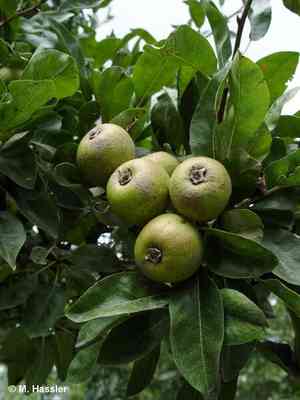
Snow pear flourishes when relocated from early to late spring or from late fall to late winter, aligning with its dormant phase. It prefers bright areas with soil that drains effectively. Verify that the new spot replicates its initial environment for a smooth adjustment.
Essential Preparations Before Relocating Snow Pear
Optimal Period for Moving Snow Pear?
Relocating snow pear is best from early to late spring or late autumn to late winter. Cooler temperatures and increased moisture during these times lessen transplant shock and aid root development. These periods allow the plant ample time to adjust before harsh weather, fostering healthier growth and long-term vigor.
Required Spacing Between Snow Pear Plants?
For snow pear, ensure a separation of 20-30 feet (6-9 meters). This provides ample room for the trees to mature without competing for resources.
Ideal Soil Blend for Snow Pear Relocation?
Prepare the soil using well-draining loamy soil, enhanced with compost or a balanced fertilizer such as 10-10-10. This ensures snow pear receives necessary nutrients for a robust start.
Where to Replant Your Snow Pear?
Select a sunny location for transplanting snow pear, as they flourish with abundant sunlight. Confirm the site receives at least 6-8 hours of direct sun daily.
Equipment Needed Before Transplanting Snow Pear?
Gardening Gloves
To safeguard your hands while handling soil and the plant.
Spade or Shovel
For digging and loosening the earth around the root ball.
Pruner
To trim any damaged roots or branches.
Watering Can or Hose
For keeping the soil hydrated during and after the move.
Tarp or Cloth
To place the plant on after extraction and to move it without harming the roots.
Wheelbarrow
To effortlessly transport larger plants from one spot to another.
How to Extract Snow Pear from the Soil?
How to Extract Snow Pear from the Soil?
From Ground: Hydrate the snow pear plant to moisten the soil. Dig a wide trench around the plant with a shovel or spade, ensuring the plant's root ball stays intact. Carefully work the spade beneath the root ball to lift the plant from its original spot.From Pot: Water the snow pear plant thoroughly. Gently tip the pot, supporting the plant base with one hand, and slide the plant out with minimal disturbance to the root ball. If necessary, tap the pot sides to loosen soil and roots.From Seedling Tray: Water the seedlings before removal. Gently squeeze the bottom of each cell to loosen the soil and root ball, helping the seedling slide out. Use a small tool, like a spoon, to assist in easing the plant out if needed.
Step-by-Step Guide for Relocating Snow Pear
Prepare the Site
Prepare the transplanting site by digging a hole twice the width of the root ball and as deep as the root ball of your snow pear plant. Ensure the soil at the bottom of the hole is loosened to encourage root penetration.
Move the Plant
Carefully transport the snow pear from its initial location to the new site. Avoid exposing roots to direct sunlight or wind for prolonged periods.
Position the Plant
Place the snow pear in the center of the prepared hole, ensuring the top of the root ball is level with the surrounding ground. Adjust the plant's position for vertical alignment.
Backfill the Hole
Gently backfill the hole with soil, completely covering the roots and eliminating air pockets by lightly tamping the soil. Ensure the soil remains loose to facilitate root growth.
Water the Plant
Thoroughly water the transplanted snow pear to settle the soil around the roots and eliminate air pockets. Maintain settled soil but avoid excessive watering to prevent root rot.
Post-Transplanting Care for Snow Pear?
Watering
Keep the soil around the snow pear consistently moist but not waterlogged for the initial weeks after transplanting to aid strong root establishment.
Mulching
Apply a layer of mulch around the base of the snow pear to help retain moisture, regulate soil temperature, and suppress weed growth. Avoid direct contact of mulch with the plant stem.
Staking
If the snow pear is tall or the site is windy, consider staking the plant to provide support and stability. Use soft ties and avoid tying too tightly to prevent damaging the stem.
Monitoring
Regularly check for signs of stress, disease, or pests. Promptly address any issues to keep the snow pear healthy and thriving.
Pruning
Prune any damaged or dead branches after transplanting to direct the plant's energy toward root establishment and healthy growth.
Resolving Common Issues with Snow Pear Transplantation.
When is the best time to transplant snow pear?
The optimal period to transplant snow pear is early spring to late spring or late fall to late winter.
How far apart should I space snow pear trees?
Ensure each snow pear tree is spaced 20-30 feet (6-9 meters) apart for optimal growth.
What depth should the hole be for snow pear?
The planting hole should be about 10-12 inches (25-30 cm) deep and twice as wide as the root ball.
How do I prepare snow pear for transplanting?
Water the soil around snow pear thoroughly a day before and carefully dig around the root ball.
What soil type is best for transplanting snow pear?
Snow pear thrives in well-drained, loamy soil enriched with compost or organic matter.
Should I prune snow pear before transplanting?
Yes, prune any dead or damaged branches before transplanting to reduce stress on snow pear.
How can I minimize transplant shock for snow pear?
Water regularly, mulch around the base, and avoid excessive fertilization after transplanting snow pear.
What watering regimen is recommended after transplanting snow pear?
Water snow pear deeply once a week to maintain moist but not waterlogged soil, especially during dry periods.
Do I need to mulch around snow pear after transplanting?
Yes, add a 2-3 inch (5-8 cm) layer of mulch around snow pear to retain moisture and suppress weeds.
How do I support young snow pear trees after transplanting?
Stake the young snow pear tree if needed, ensuring gentle support without restricting growth.



