How to Transplant Heart-shaped pear?
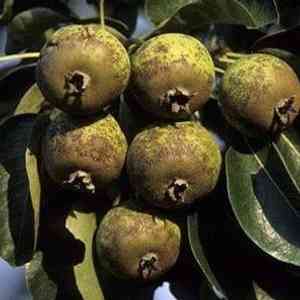
The pear variety with heart-shaped fruit flourishes when relocated between early spring and its peak, as it benefits from cooler weather and consistent hydration. Choose a location that receives full sun or partial shade, featuring soil that drains effectively, to ensure its best development.
Necessary Preparations Before Relocating Heart-shaped Pear?
Optimal Timing for Transplanting Heart-shaped Pear?
The best time to move heart-shaped pear is from early to late spring. During this period, soil temperatures are rising, which aids root establishment and reduces plant stress. Spring transplanting allows heart-shaped pear to benefit from the full upcoming growing season, ensuring strong development.
Required Spacing Between Heart-shaped Pear Plants?
Ensure each heart-shaped pear plant is spaced 15-20 feet (4.5-6 meters) apart. This provides ample room for growth and good air circulation, contributing to plant health.
Ideal Soil Blend for Heart-shaped Pear Transplanting?
Prepare your soil to be well-draining, rich, and loamy. Incorporate compost or aged manure as a base fertilizer to improve soil quality. Heart-shaped pear plants flourish in this type of soil.
Where to Replant Your Heart-shaped Pear?
Select a sunny spot for your heart-shaped pear plants, where they can receive at least 6 hours of direct sunlight daily. Sufficient sunlight is crucial for their growth and fruit production.
Equipment to Prepare Before Transplanting Heart-shaped Pear?
Gardening Gloves
To safeguard your hands while handling soil and plants.
Shovel or Spade
For excavating the transplant hole and extracting the plant from its original spot.
Garden Trowel
Useful for more precise digging around the plant.
Watering Can or Hose
For hydrating the plant before and after relocation.
Pruning Shears
To trim any damaged or excessively long roots.
Mulch
To help retain moisture and stabilize soil temperature post-transplant.
Wheelbarrow or Garden Cart
For moving the plant if the initial and new locations are distant.
Measuring Tape
To guarantee correct spacing during planting.
How to Extract Heart-shaped Pear from the Soil?
How to Extract Heart-shaped Pear from the Soil?
From Ground: First, moisten the heart-shaped pear plant to dampen the soil. Then, dig a wide trench around the plant with a shovel or spade, ensuring the plant's root ball remains intact. Carefully work the spade beneath the root ball to lift the plant from its original position.From Pot: Water the heart-shaped pear plant thoroughly to loosen the soil. Gently tilt the pot on its side and carefully slide the plant out, supporting the stem and root ball. If the plant is stuck, tap the pot's sides to loosen the soil.From Seedling Tray: Lightly water the seedlings. Use a garden trowel or your fingers to gently lift the seedlings from the tray, taking care to keep the root system intact. Hold the seedling by the leaves, not the stem, to prevent damage.
Step-by-Step Guide for Transplanting Heart-shaped Pear
Site Preparation
Prepare the transplant location by digging a hole twice as wide and equally deep as the heart-shaped pear’s root ball.
Removing the Plant
Follow the appropriate removal method based on the plant’s initial position. Ensure the root ball stays intact.
Placing the Plant
Position the heart-shaped pear in the center of the hole. Make sure the top of the root ball is level with or slightly above the surrounding soil.
Backfilling
Fill the hole with the excavated soil, pressing it down gently but firmly to eliminate air pockets. Be careful not to harm the roots.
Watering
Water the heart-shaped pear thoroughly to help settle the soil around the roots. Ensure the soil is moist but not waterlogged.
Mulching
Apply a layer of mulch around the plant's base to help retain moisture and regulate soil temperature. Keep the mulch a few inches away from the stem to prevent rot.
Post-Transplant Care for Heart-shaped Pear?
Watering
Keep the soil around the heart-shaped pear consistently moist, but not saturated, for the initial weeks after transplanting to aid in strong root establishment.
Monitoring
Regularly inspect the plant for signs of stress, such as wilting or yellowing leaves. If these occur, ensure the plant receives adequate water and is not exposed to extreme conditions.
Pruning
Trim any dead or damaged branches to encourage healthy growth and prevent disease.
Support
If the heart-shaped pear is top-heavy or in a windy area, consider staking it for additional support until it develops a strong root system.
Addressing Common Issues with Heart-shaped Pear Transplantation.
When is the best time to transplant heart-shaped pear?
Early to late spring is ideal for transplanting heart-shaped pear to ensure optimal growth and establishment.
How far apart should heart-shaped pear plants be spaced?
Space heart-shaped pear plants 15-20 feet (4.5-6 meters) apart for optimal growth and development.
What soil type is best for transplanting heart-shaped pear?
Heart-shaped pear prefers well-draining, fertile soil with a slightly acidic to neutral pH.
How deep should I plant heart-shaped pear saplings?
Plant heart-shaped pear saplings at the same depth they were in their original container.
How much water does heart-shaped pear need after transplanting?
Water heart-shaped pear weekly, providing 1-2 inches (2.5-5 cm) of water to keep the soil moist.
Should I fertilize heart-shaped pear after transplanting?
Fertilize heart-shaped pear with a balanced, slow-release fertilizer after it shows signs of new growth.
How do I prepare heart-shaped pear's new site?
Clear the area of weeds and debris, and work compost into the soil before planting.
What should I do if heart-shaped pear's leaves turn yellow?
Check soil moisture and drainage; ensure heart-shaped pear isn't overwatered or planted too deeply.
Can heart-shaped pear be transplanted in full sun?
Yes, heart-shaped pear thrives in full sun to partial shade, ensuring it gets 6-8 hours of sunlight daily.
What should I do if heart-shaped pear doesn't grow well after transplanting?
Check for pest or disease issues, and ensure proper watering and soil conditions.



