How to Transplant Blunt Mountainmint?
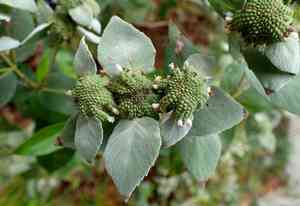
For a robust beginning for blunt Mountainmint, relocate it as the garden awakens, spanning from the initial spring thaw through the burgeoning late spring period. Select a sun-drenched location featuring soil that drains effectively, and allow ample room for sufficient air movement.
What Preparations are Needed Before Relocating Blunt Mountainmint?
What is the Ideal Time for Relocating Blunt Mountainmint?
The optimal period for moving blunt Mountainmint spans from early spring's thaw until the onset of summer's warmth. This timeframe provides blunt Mountainmint with the full vigor of the growing season, enabling it to establish deep roots and thrive in your garden. Transplanting during this window ensures blunt Mountainmint benefits from moist soil and cooler temperatures, reducing stress and boosting development. Imagine delicate shoots swaying in the gentle spring breeze, a testament to providing blunt Mountainmint with the best possible start.
How Much Space Should You Leave Between Blunt Mountainmint Plants?
Hello, aspiring gardener! Before introducing your blunt Mountainmint to its new spot, let's discuss spacing. You'll want to provide each plant with approximately 18-24 inches (45-60 cm) of room. This guarantees they have ample space to flourish and display their beauty.
What is the Best Soil Mix for Blunt Mountainmint Relocation?
For your blunt Mountainmint, the foundation is crucial! Aim for soil that drains well and is rich in organic matter â they absolutely love it. Before planting, incorporate some all-purpose, slow-release fertilizer to give them a head start. This creates a nourishing bed for your green companions to settle into.
Where Should You Relocate Your Blunt Mountainmint?
Sun-loving blunt Mountainmint will appreciate a location where they can enjoy full sun to partial shade â consider a spot that receives sunlight for at least 4-6 hours daily. Choose a bright but not scorching site, as these plants enjoy sunbathing with a bit of afternoon protection.
What Equipment Should You Prepare Before Relocating Blunt Mountainmint?
Gardening Gloves
To safeguard your hands while handling soil and plants.
Shovel or Spade
For excavating around and beneath the plant.
Garden Fork
To loosen the earth and assist in lifting the plant.
Trowel
For smaller or delicate digging and planting tasks.
Watering Can or Hose
To hydrate the plant to facilitate removal and for post-transplant watering.
Pruning Shears
To trim any damaged roots or foliage.
Wheelbarrow
For moving the plant and soil.
Bypass Pruners
For more precise trimming operations.
Mulch
To aid in retaining soil moisture after relocation.
How Do You Extract Blunt Mountainmint from the Soil?
How Do You Extract Blunt Mountainmint from the Soil?
From Ground: First, water the blunt Mountainmint to moisten the soil, making plant removal easier. Next, use a shovel or spade to dig a wide trench around the plant, allowing ample space for the root ball, taking care not to harm the root system as much as possible. Carefully slide the shovel beneath the root ball to gently lift the blunt Mountainmint from its original spot.From Pot: Start by watering your blunt Mountainmint, then gently tip the pot sideways and support the plant by its base. Tap or press on the pot to loosen its grip on the roots, and if needed, slide a trowel along the pot's inner edge. Once loose, carefully ease the plant out, keeping the root ball as intact as possible.From Seedling Tray: Lightly water the seedlings. Use a trowel or your fingers to gently separate an individual blunt Mountainmint seedling with its root ball from the tray. Handle by the leaves to avoid damaging the fragile stems, and carefully remove the seedling with as much soil around its roots as you can manage.
Step-by-Step Guide for Relocating Blunt Mountainmint
Digging the New Hole
Measure the width and depth of the blunt Mountainmint's root ball with your shovel. Create a new hole in the ground that is twice as wide and the same depth as the root ball.
Testing Root Ball
Place the root ball in the new hole to ensure it fits correctly. The top of the root ball should be level with the surrounding soil.
Plant Placement
Carefully position the blunt Mountainmint in the center of the new hole. Adjust its orientation so it faces your preferred direction, typically the most visually appealing side outward.
Backfill the Hole
Gently refill the hole with the excavated soil. Lightly pat down as you go to eliminate any large air pockets, but avoid compacting the soil too firmly.
Watering Thoroughly
Water the blunt Mountainmint after planting to help settle the soil around the roots and provide essential moisture for recovery.
Mulching
Apply a layer of mulch around the plant, keeping it a few inches away from the stem, to help retain soil moisture and regulate temperature.
How Do You Care For Blunt Mountainmint After Relocation?
Watering Frequency
For the initial few weeks, water the blunt Mountainmint every other day unless there's significant rainfall. Gradually reduce watering as the plant becomes established.
Observation
Regularly check your blunt Mountainmint for signs of stress, such as wilting or discolored leaves, and take corrective action when necessary.
Pruning
Trim any dead or damaged growth to encourage the emergence of new, healthy shoots.
Support Structure
If the blunt Mountainmint has grown tall and appears to struggle with its weight, consider using a support stake for stability.
Mulch Refreshment
Periodically inspect the mulch and replenish it as required.
Troubleshooting Common Issues with Blunt Mountainmint Relocation.
When is the best time to relocate blunt Mountainmint?
Optimal relocation time for blunt Mountainmint is early to late spring, allowing roots to establish before hot weather.
What spacing is recommended for relocating blunt Mountainmint?
For blunt Mountainmint, plant them 18-24 inches (45-60 cm) apart to provide ample room for growth.
Why are my blunt Mountainmint plants wilting after relocating?
Wilting after relocation can indicate water stress. Ensure consistent moisture and avoid direct sun for a few days.
How deep should I dig the hole for blunt Mountainmint relocation?
Dig a hole twice as wide and the same depth as the root ball to encourage expansion without burying the crown.
Can I relocate blunt Mountainmint on a hot day?
Relocate blunt Mountainmint on cooler days or in the evening to minimize transplant shock and ensure better acclimatization.
Should I fertilize blunt Mountainmint right after relocating?
Wait 4-6 weeks before fertilizing to allow blunt Mountainmint to settle and begin new root growth.
What soil conditions favor blunt Mountainmint after relocating?
Plant blunt Mountainmint in well-drained soil, enriching with compost if necessary, to promote healthy root development.
How much should I water blunt Mountainmint post-relocation?
Water deeply after relocating, and continue to keep the soil moist but not waterlogged as blunt Mountainmint establishes.
Is it necessary to prune blunt Mountainmint during relocating?
Prune damaged or excessively long roots before relocating to promote healthy regrowth and easier establishment.
How to protect blunt Mountainmint from pests while relocating?
Inspect the plant for pests before relocating, and treat if necessary. Good cultural practices afterward can prevent infestations.



