How to Transplant White-haired old-man?
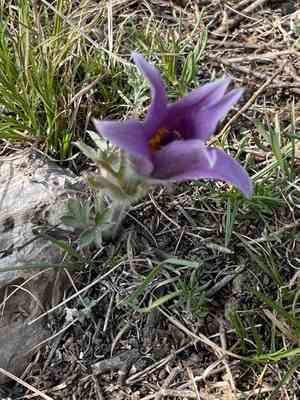
The optimal period for moving white-haired old-man spans from the beginning of spring's thaw through the threshold of summer's heat. Provide locations with good drainage and ample sunlight for vigorous development. During the repotting process, gently manage the root ball to foster effective settling.
What Preparations are Needed Before Transplanting White-haired Old-man?
What is the Ideal Time for Transplanting White-haired Old-man?
The optimal period for relocating your white-haired old-man spans from the end of frost until late spring's warmth arrives. Moving it during this window allows roots to establish in mild temperatures and favorable soil, vital for the perennial's growth. This timing also aligns with white-haired old-man's natural growth surge, providing a strong start in its new spot. Ensuring moist soil and cool days greatly aids the acclimatization process for your white-haired old-man. A helpful hint: perform this when the plant is dormant or in early growth for best results!
How Much Space Should You Leave Between White-haired Old-man Plants?
When preparing a new location for white-haired old-man, remember to provide ample room for development. Aim for a spacing of 12-24 inches (approximately 30-60 cm) between plants, allowing their roots to spread and thrive.
What is the Best Soil Mix for White-haired Old-man Transplanting?
To give white-haired old-man an excellent start, combine well-draining soil with a bit of organic compost as a foundational fertilizer. This will nourish your plants and ensure they have the perfect base to flourish.
Where Should You Relocate Your White-haired Old-man?
Find a sunny area in your garden that receives ample light for white-haired old-man, but also offers some relief with partial shade. This balance will allow them to bask without experiencing sunburn.
What Equipments Should You Prepare Before Transplantation White-haired Old-man?
Gardening Gloves
To safeguard your hands while handling soil and plants.
Spade or Garden Trowel
For digging and moving the white-haired old-man.
Watering Can or Hose
To hydrate the white-haired old-man both before and after relocation.
Pruning Shears
For trimming any dead or excess parts of the white-haired old-man prior to transplanting.
Wheelbarrow or Garden Cart
For transporting the white-haired old-man if it's large or if you're moving multiple specimens.
Garden Fork
To loosen the soil surrounding the plant's root system.
Root Pruning Saw or Knife
To cut through larger or more stubborn roots if necessary.
How Do You Remove White-haired Old-man from the Soil?
How Do You Remove White-haired Old-man from the Soil?
From Ground: First, water the white-haired old-man to moisten the soil, making it easier to manage. Carefully dig a circle around the plant with a spade, ensuring you are far enough from the stem to avoid damaging the root ball. Gently ease the spade under the roots, and carefully lift the plant, preserving as much of the root structure as possible.From Pot: Water the white-haired old-man in its container to dampen the soil. Tilt the pot sideways and gently tap or squeeze it to loosen the root ball. Support the plant's base and carefully slide it out of the pot, maintaining the root ball's integrity.From Seedling Tray: Moisten the soil in the tray to facilitate removal. Use a garden trowel or a small stick to gently lift the white-haired old-man from the seedling tray. Hold the plant by its base and carefully separate it, ensuring you extract the entire root system.
Step-by-Step Guide for Transplanting White-haired Old-man
Preparations
Thoroughly water the white-haired old-man before beginning to ensure its roots are hydrated. Gather all necessary tools and put on your gardening gloves to start the transplanting process.
Digging the Hole
Use your spade or garden trowel to excavate a hole in the ground that is twice as wide and of equal depth to the white-haired old-man's root ball.
Root Pruning
Inspect the roots of white-haired old-man before planting. If any roots are damaged or excessively long, use pruning shears or a root saw to trim them.
Placing the Plant
Carefully position the white-haired old-man into the hole. The top of the root ball should be level with the soil surface. Adjust the hole's depth if needed.
Backfilling Soil
Gradually refill the hole with soil, gently firming it down as you proceed to eliminate any air pockets.
Watering
After transplanting, water the white-haired old-man thoroughly to settle the soil around the roots and hydrate the plant.
Adding Supports
If the white-haired old-man is tall or susceptible to wind damage, consider staking it or providing some form of support to keep it upright while its roots establish.
How Do You Care For White-haired Old-man After Transplanting?
First Watering
Ensure the soil is completely watered immediately after transplanting to help minimize transplant shock and settle the soil.
Monitoring
Observe the white-haired old-man for indications of stress such as wilting, yellowing leaves, or dropping. These signs can suggest the plant needs more or less water, or is experiencing transplant shock.
Mulching
Apply a layer of organic mulch around the base of the white-haired old-man, keeping it away from the stem, to help retain soil moisture and regulate soil temperature.
Second Watering
Maintain a consistent watering schedule during the initial weeks as the white-haired old-man's root system re-establishes.
Protection
Provide shade with a cloth or screen if the white-haired old-man shows signs of stress from excessive sun exposure immediately after transplanting.
Avoid Fertilization
Do not fertilize immediately after transplanting white-haired old-man to prevent root burn. Wait for the plant to exhibit new growth, indicating recovery from transplant shock.
Troubleshooting Common Issues with White-haired Old-man Transplantation.
When is the best time to transplant white-haired old-man?
The optimal period for transplanting white-haired old-man is during the cooler days of early to late spring.
How far apart should white-haired old-man be spaced when transplanting?
Allow a generous space of 12-24 inches (30-60 cm) between each white-haired old-man to encourage healthy development.
What soil conditions favor the transplanting of white-haired old-man?
Transplant white-haired old-man into well-drained soil rich in organic matter for optimal root growth.
How deep should the planting hole be for white-haired old-man?
Dig a hole that comfortably accommodates the white-haired old-man's root ball, typically the same depth as its nursery container.
Can white-haired old-man handle full sunlight after transplanting?
After transplanting, white-haired old-man thrives in a location with partial shade to shield it from intense sunlight.
Why is my transplanted white-haired old-man wilting?
Wilting after transplanting may indicate shock. Ensure adequate water and shade, and it should recover.
How frequently should I water white-haired old-man after transplanting?
Initially, water white-haired old-man regularly to keep the soil consistently moist but not waterlogged, reducing frequency as it establishes.
Should I fertilize white-haired old-man after transplanting?
Delay fertilization for a few weeks after transplanting white-haired old-man to avoid stressing the newly settled roots.
What is the importance of mulching for transplanted white-haired old-man?
Mulching helps retain moisture, regulate soil temperature, and suppress weeds around white-haired old-man.
How can I protect my newly transplanted white-haired old-man from pests?
Regularly inspect for pests, and use organic methods like neem oil or insecticidal soap when necessary.



