How to Transplant Common Hoptree?
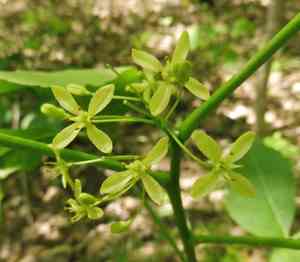
The peak of spring, following the final frost, offers a perfect period for relocating common Hoptree, guaranteeing a seamless adjustment. Select a site with good drainage and partial shade to replicate common Hoptree's native environment. Careful handling aids in root development within its new setting.
What Preparations are Needed Before Transplanting Common Hoptree?
What is the Ideal Time for Transplanting Common Hoptree?
The most favorable period for relocating common Hoptree is the middle of spring. This season provides a unique combination of mild temperatures and increasing daylight, which together create a supportive environment for common Hoptree to establish its root system. Transplanting at this time leverages the natural growth cycle of perennials, minimizing stress on the plant and encouraging vigorous development. With the soil warming and more frequent rainfall, common Hoptree secures a strong foothold in its new location, ensuring a smooth transition into the growing season. Additionally, the pleasant weather makes the transplanting process more enjoyable for you!
How Much Space Should You Leave Between Common Hoptree Plants?
For common Hoptree, position each plant approximately 8-10 feet (2.4-3 meters) apart. This prevents overcrowding and promotes air circulation, which helps reduce the risk of disease.
What is the Best Soil Mix for Common Hoptree Transplanting?
Ensure your soil drains well and is slightly acidic or neutral. Incorporate a slow-release, granular fertilizer before transplanting common Hoptree to provide a strong nutritional foundation for growth.
Where Should You Relocate Your Common Hoptree?
Your planting site should receive full sun to partial shade. Common Hoptree is quite adaptable to sunlight, but in its natural habitat, it thrives under dappled or partial sun.
What Equipments Should You Prepare Before Transplantation Common Hoptree?
Gardening Gloves
To protect your hands while working with soil and plants.
Shovel or Spade
To excavate the transplanting hole and extract the common Hoptree from its original spot.
Wheelbarrow or Container
To move the common Hoptree from its old location to the new one without causing damage.
Garden Hose or Watering Can
To hydrate the plant before and after its relocation.
Mulch
To help maintain soil moisture after the transplant.
Gardening Fork
To properly aerate the transplant hole before placing the common Hoptree within it.
How Do You Remove Common Hoptree from the Soil?
How Do You Remove Common Hoptree from the Soil?
From Ground: Start by watering the common Hoptree to moisten the soil in its initial position. Using a shovel or spade, carefully dig a wide trench around the plant, ensuring the plant's root ball remains intact. Now, gently work the spade beneath the root ball to lift the common Hoptree from its original spot. From Pot: Water the common Hoptree thoroughly so the soil is moist and easier to manage. Turn the pot on its side, hold the common Hoptree firmly by its base, and apply a gentle tug to ease the plant out of the pot. From Seedling Tray: Water the seedlings, then gently press the bottom of each cell to release the common Hoptree. Always handle the seedling by its leaves to avoid damaging the delicate stem.
Step-by-Step Guide for Transplanting Common Hoptree
Preparation
Prepare the new site by digging a hole that is twice as wide and as deep as the common Hoptree's root ball. Then, gently loosen the soil at the bottom with a gardening fork for improved root penetration.
Planting
Carefully position the common Hoptree in the center of the hole, ensuring that the top of the root ball is level with the ground. Backfill the hole by pressing soil firmly around the root ball.
Watering
Water the common Hoptree thoroughly immediately after transplanting, making sure the water reaches the root zone.
Mulching
Apply a 2 to 3-inch layer of mulch around the base of the plant, leaving some space clear around the trunk to prevent rot.
How Do You Care For Common Hoptree After Transplanting?
Watering
After the common Hoptree has been transplanted, ensure the soil remains consistently moist but not waterlogged. This aids in establishing the root system.
Mulch
Inspect the mulch regularly, and replenish it as needed to maintain soil moisture and suppress weed growth.
Pruning
Remove any damaged or dead branches or leaves to encourage healthier growth. Avoid excessive trimming at once, as the common Hoptree requires its leaves for photosynthesis.
Disease Watch
Monitor for common plant pests and diseases. If detected early, most issues can be resolved with minimal harm to the common Hoptree.
Troubleshooting Common Issues with Common Hoptree Transplantation.
When is the best time to transplant common Hoptree?
The most opportune season to transplant common Hoptree is in season 3. That's the perfect time for them to establish roots.
How much distance should be kept between two common Hoptree during transplanting?
For healthier growth, maintain a distance of approximately 8-10 feet (2.4-3 meters). This provides ample space for roots to thrive.
What should I do if my transplanted common Hoptree shows signs of wilting?
Wilting might be due to transplant shock. Adequate watering, without overdoing it, and keeping the plant in partial shade can aid its recovery.
How to prepare the soil before transplanting common Hoptree?
Prepare by loosening the soil about 10 inches (25 cm) deep, removing any weeds, and enriching it with compost or aged manure.
What kind of pot or container size is best for common Hoptree?
Common Hoptree grows quite large, so select a pot or container that's at least 12 inches (30 cm) in diameter to start.
How deep should I plant common Hoptree while transplanting?
Plant common Hoptree in a hole twice as wide as the root ball and just deep enough that it’s level with the ground surface.
How to care for common Hoptree immediately after transplanting?
Begin by watering it generously. Remember, consistent but not excessive watering is best for the first 2 - 4 weeks post-transplant.
Should I prune common Hoptree before or after transplanting?
Prune before transplanting to reduce stress on the plant. Remove any broken or damaged branches rather than healthy growth.
What to do if the transplanted common Hoptree doesn't show new growth?
Be patient, as common Hoptree might take time to adjust. Continue providing care and ensure the plant is neither overwatered nor underwatered.
Do I need to apply fertilizer immediately after transplanting common Hoptree?
No, do not fertilize immediately. Give common Hoptree at least a few weeks to settle in before slowly introducing a balanced fertilizer.



