How to Transplant Flatfork fern?
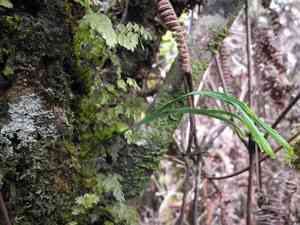
Flatfork fern, a robust perennial, flourishes most effectively when relocated during the prime period of late summer through autumn, enabling its root system to become firmly established prior to winter. Choose a partially shaded spot with soil that drains efficiently for peak development.
What Preparations are Needed Before Transplanting Flatfork Fern?
What is the Ideal Time for Transplanting Flatfork Fern?
Flatfork fern is best moved during the period spanning late summer through late fall. This timing allows the plant to establish its root system prior to winter dormancy, leading to more robust growth in the spring. Additionally, cooler temperatures and increased rainfall minimize transplant shock, ensuring a more successful adaptation to its new surroundings.
How Much Space Should You Leave Between Flatfork Fern Plants?
For flatfork fern, ensure there's at least 12-18 inches (30-45 cm) of space separating each plant. This will provide them with ample room to grow without overcrowding, facilitating air circulation and preventing potential diseases.
What is the Best Soil Mix for Flatfork Fern Transplanting?
Prepare a soil mixture that drains well and is rich in organic material. Incorporating compost or a balanced base fertilizer with equal parts nitrogen, phosphorus, and potassium will support flatfork fern's development. Avoid heavy clay soils as they hold too much moisture.
Where Should You Relocate Your Flatfork Fern?
Choose a semi-shaded spot for relocating flatfork fern. They thrive best with indirect sunlight or partial shade. Excessive direct sunlight can harm the plant, so aim for dappled light to keep them content.
What Equipments Should You Prepare Before Transplantation Flatfork Fern?
Gardening Gloves
To safeguard your hands while handling soil and plants.
Shovel or Spade
For excavating both the plant and its new planting site.
Trowel
For minor, delicate adjustments around the plant's root structure.
Watering Can or Hose
To hydrate the plant before and after its relocation.
Pruning Shears
To trim any damaged roots or foliage.
Wheelbarrow
For moving the plant if it's large and heavy.
Compost
For enriching the planting hole.
How Do You Remove Flatfork Fern from the Soil?
How Do You Remove Flatfork Fern from the Soil?
From Ground: First, water the flatfork fern plant to moisten the soil. Then, dig a wide trench around the plant using a shovel or spade, ensuring the plant's root ball remains intact. Carefully work the spade beneath the root ball to lift the plant from its original spot.From Pot: Water the flatfork fern plant in its pot thoroughly. Gently invert the pot while supporting the plant with your other hand. Tap the bottom of the pot to release the plant and carefully slide it out, ensuring the root ball stays intact.From Seedling Tray: Water the flatfork fern seedlings in the tray. Use a trowel to gently lift each seedling, taking care to keep the roots and surrounding soil undisturbed as much as possible. Handle the seedlings by their leaves rather than their delicate stems.
Step-by-Step Guide for Transplanting Flatfork Fern
Site Preparation
Select a location with appropriate sunlight and space for your flatfork fern to reach its mature size. Prepare the new planting hole by digging a hole twice the size of the plantâs root ball and loosening the soil at the bottom.
Plant Removal
Refer to the instructions in the removal process for extracting the flatfork fern from its original location.
Amending Soil
Mix compost into the soil that has been removed from the planting hole to create a nutrient-rich environment for the flatfork fern.
Plant Placement
Position the flatfork fern in the center of the hole, ensuring that the top of the root ball is level with the ground surface. Fill the hole with the amended soil, pressing gently to eliminate air pockets.
Watering
Water the flatfork fern thoroughly to settle the soil around the roots. Ensure the entire root ball is moistened.
How Do You Care For Flatfork Fern After Transplanting?
Watering
Keep the soil around the flatfork fern consistently moist, but not waterlogged, for the initial few weeks after transplanting to help establish strong roots.
Mulching
Apply a layer of mulch around the base of the flatfork fern to retain soil moisture and regulate temperature. Avoid piling mulch directly against the stem.
Monitoring
Keep an eye on the flatfork fern for any signs of stress, such as wilting or yellowing leaves. Adjust watering as necessary based on weather conditions.
Troubleshooting Common Issues with Flatfork Fern Transplantation.
When should I transplant flatfork fern?
The ideal time to transplant flatfork fern is from late summer to late fall.
What spacing is best for transplanting flatfork fern?
Space flatfork fern 12-18 inches (30-45 cm) apart for optimal growth.
How should I prepare the soil for flatfork fern?
Use well-draining soil rich in organic matter to promote healthy root growth for flatfork fern.
What is the best way to remove flatfork fern from its initial location?
Gently loosen the soil around the roots and carefully lift flatfork fern to avoid damage.
How deep should I plant flatfork fern after transplanting?
Plant flatfork fern at the same depth it was originally growing to ensure stability.
How can I minimize transplant shock for flatfork fern?
Water flatfork fern thoroughly and add mulch to retain moisture and reduce stress.
How often should I water flatfork fern after transplanting?
Water flatfork fern regularly, ensuring the soil stays moist but not waterlogged.
Should I fertilize flatfork fern right after transplanting?
Wait a few weeks before fertilizing flatfork fern to let it adjust to the new location.
Can I transplant flatfork fern in direct sunlight?
Yes, but providing some shade during hotter parts of the day can help flatfork fern adjust.
How do I know if flatfork fern is successfully transplanted?
Monitor for new growth and ensure the plant remains healthy and vibrant.



