How to Transplant Arrow bamboo?
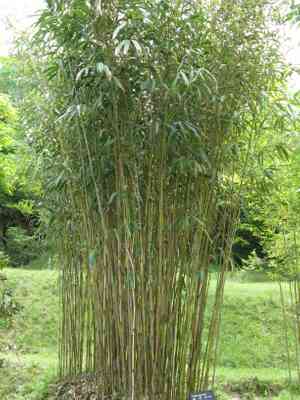
For arrow bamboo, the peak of warmth and development in summer provides the ideal period for relocation. Select locations with filtered sunlight and soil that drains effectively. When relocating arrow bamboo, preserving root hydration and firmness guarantees a smooth adjustment.
Essential Preparations Before Relocating Arrow Bamboo
Optimal Timing for Transplanting Arrow Bamboo?
The perfect season for relocating arrow bamboo is at the onset of summer's warmth. Mild temperatures facilitate robust root development without the strain of extreme heat. Moving arrow bamboo during this period maximizes success, as the gentle conditions stimulate new root growth, ensuring the plant establishes itself well before autumn's chill. Transplanting arrow bamboo now allows it to benefit from extended daylight and moderate nighttime temperatures, promoting a smooth transition and vigorous growth. Carefully rehoming arrow bamboo at this time sets it up for long-term prosperity, utilizing nature's prime growing phase.
Recommended Spacing Between Arrow Bamboo Plants?
Firstly, it's important to note that arrow bamboo requires ample room to flourish. Aim for a separation of approximately 3-5 feet (90-150 cm) between each plant. This provides sufficient area for growth without competition for resources.
Ideal Soil Mixture for Arrow Bamboo Relocation?
For arrow bamboo, standard garden soil is perfectly adequate! Prior to transplanting, enrich the soil by incorporating a foundational fertilizer such as well-decomposed compost or manure. This will ensure your arrow bamboo remains vibrant and healthy.
Selecting the New Location for Your Arrow Bamboo?
When choosing the optimal site for your arrow bamboo, consider its light requirements. Conditions ranging from partial shade to full sun are most suitable. Be aware that excessive direct sunlight can lead to leaf scorching.
Tools Required Before Transplanting Arrow Bamboo?
Shovel or Spade
Used for excavating soil and extracting the plant from its initial spot.
Gardening Gloves
These will safeguard your hands while handling soil and the plant.
Garden Fork
Helps in loosening the soil surrounding the plant.
Wheelbarrow or Garden Cart
Facilitates easy transportation of the plant from its original position to the new transplant site.
Watering Can
Features a long spout, useful for watering the plant at its base without wetting the foliage.
Garden Trowel
Handy for digging small holes for transplanting.
How to Extract Arrow Bamboo from the Ground?
How to Extract Arrow Bamboo from the Ground?
From Ground: Begin by hydrating the arrow bamboo plant to moisten the soil, which simplifies removal. Next, using a spade or shovel, dig a wide circle around the plant, being careful not to disturb the root ball. Endeavor to keep as much of the root ball intact as possible. Then, gently slide the spade beneath the root ball and carefully lift it.From Pot: If the arrow bamboo is in a container, start by watering it. Don your gloves and turn the pot on its side, gently supporting the plant at its base with the leaves facing you. Tap the pot's edge to loosen your arrow bamboo and slide it out. Remember not to pull the plant, as this can harm the stem or roots.From Seedling Tray: Water the tray, then use a garden trowel or similar implement to carefully lift the arrow bamboo seedlings. Try to retain as much of the original soil around the roots as possible. Ensure you lift some soil with the seedling to prevent bare roots.
Step-by-Step Guide for Relocating Arrow Bamboo
Preparation
Ensure your arrow bamboo is thoroughly watered before commencing the transplanting process. This will help minimize shock and ease the plant's adjustment.
Digging the Hole
Excavate a hole in the new location that is twice as wide and slightly deeper than the arrow bamboo's root ball.
Placement
Position your arrow bamboo in the hole, ensuring the top of the root ball is level with or slightly above the ground surface. Backfill the hole with the excavated soil.
Watering
Thoroughly water your arrow bamboo after planting to help settle the soil and initiate root development.
Monitoring
Over the next few days, observe your arrow bamboo, watering it regularly and checking for any signs of stress.
Post-Transplant Care for Arrow Bamboo
Watering
Following transplantation, arrow bamboo will require frequent watering to establish itself. Maintain consistently moist soil, but be careful not to overwater, which can lead to soggy conditions.
Protection
Consider installing a barrier around your arrow bamboo to shield it from pests or strong winds, which can damage your newly transplanted specimen.
Pruning Avoidance
Refrain from immediate pruning after transplantation, as the plant needs all its energy to establish new roots. Pruning can be performed after 2-3 weeks once the plant has acclimated to its new environment.
Addressing Common Issues During Arrow Bamboo Transplantation.
When is the best time to transplant arrow bamboo?
The optimal period for transplanting arrow bamboo is from late spring to early summer (S4-S6). This timeframe provides the most favorable conditions for root establishment and growth.
What is the required spacing between transplanted arrow bamboo?
Ensure each arrow bamboo is adequately spaced, ideally 3-5 feet (approximately 1-1.5 meters) apart. This allows ample room for each plant to mature and flourish.
What are the ideal soil conditions for arrow bamboo during transplantation?
Arrow bamboo thrives in well-drained, fertile soil. Consider enriching the target garden soil with organic matter to provide essential nutrients for healthy plant development.
What is the best method to prepare arrow bamboo for transplantation?
Begin by properly hydrating the plant. Water the arrow bamboo thoroughly the day before the scheduled transplant to reduce shock and facilitate the removal process.
How deep should the planting hole be for arrow bamboo?
The planting hole for arrow bamboo should be twice as wide and of equal depth to the root ball. This provides sufficient space for the roots to spread and establish.
Should I prune arrow bamboo before transplanting?
Yes, lightly prune arrow bamboo before transplanting. This alleviates the stress of relocation on the plant and encourages healthy, compact, and balanced growth.
What are the watering needs of arrow bamboo after transplantation?
Arrow bamboo should be watered immediately after transplanting and consistently thereafter. Proper hydration aids in establishing the roots in the new environment and promotes growth.
How to protect arrow bamboo from sun after transplanting?
Initially place your transplanted arrow bamboo in a shaded location for a few weeks. Gradually expose it to more sunlight to prevent sunburn and encourage healthy growth.
What to do if my arrow bamboo shows signs of transplant shock?
Arrow bamboo may experience transplant shock. Look for wilted, yellow, or dropped leaves. If symptoms persist, ensure it is adequately watered and consider adding a root stimulator to the soil.
How long does arrow bamboo take to establish after transplanting?
Depending on the surrounding conditions, arrow bamboo can take several weeks to months to fully establish. During this period, ensure regular watering and protection from harsh conditions.



