How to Transplant Mouse yeast grass?
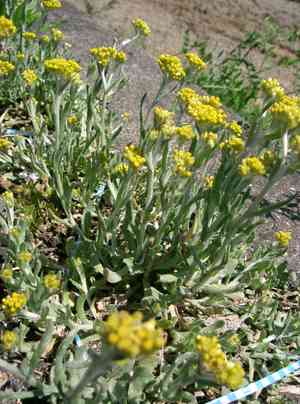
To achieve optimal outcomes, transfer mouse yeast grass between early and late spring, a period of robust development. Select a spot offering partial shade and damp earth. Minimize root disturbance to facilitate rapid acclimation to its new environment.
What Preparations are Needed Before Transplanting Mouse Yeast Grass?
What is the Ideal Time for Transplanting Mouse Yeast Grass?
Choose the period from late winter's end to early summer's beginning for transplanting mouse yeast grass. This timing allows roots to establish before intense heat. Moving mouse yeast grass during this window ensures roots are settled for the blooming season, promoting early growth and flowering. A helpful hint: mild weather now reduces stress on mouse yeast grass, leading to a more robust plant!
How Much Space Should You Leave Between Mouse Yeast Grass Plants?
Greetings, gardener! When relocating your mouse yeast grass, aim to provide each plant with ample room. Spacing them approximately 6-12 inches (15-30 cm) apart should be sufficient. This spacing allows them to thrive with adequate room for foliage expansion!
What is the Best Soil Mix for Mouse Yeast Grass Transplanting?
To ensure your mouse yeast grass feels comfortable in its new home, prepare a suitable spot with well-draining soil. Incorporating a gentle compost mix as a foundational fertilizer will give them an excellent start. They truly appreciate this nutrient-rich sustenance!
Where Should You Relocate Your Mouse Yeast Grass?
Your mouse yeast grass loves to sunbathe, much like we do at the beach! Select a sunny location where they can absorb at least 6 hours of sunlight daily. A little afternoon shade would be beneficial to keep them cool.
What Equipments Should You Prepare Before Transplantation Mouse Yeast Grass?
Gardening Gloves
To safeguard your hands while handling soil and plants.
Spade or Shovel
For digging around and beneath the plant for removal, and to excavate the new planting hole.
Watering Can or Hose
For hydrating the plant before and after the relocation process.
Pruning Shears
To trim any damaged roots or foliage prior to transplanting.
Wheelbarrow or Plant Dolly
For moving larger plants from one spot to another.
Measuring Tape
To correctly space the transplanted mouse yeast grass from other vegetation.
Garden Trowel
For managing smaller or delicate root systems during the transplant.
Soil Amendment
As required, to enhance the quality of the soil at the new site.
Mulch
To aid in retaining soil moisture and regulating temperature post-transplant.
How Do You Remove Mouse Yeast Grass from the Soil?
How Do You Remove Mouse Yeast Grass from the Soil?
From Ground: First, hydrate the mouse yeast grass to soften the earth. Next, use a spade to dig a wide circle around the plant to prevent root damage. Carefully slide the spade beneath the root ball to lift the plant with minimal root disturbance.From Pot: Water the mouse yeast grass thoroughly. Tilt the pot sideways and gently tap or squeeze its sides to loosen the root ball. Invert the pot if necessary, supporting the plant with your other hand, and carefully extract the plant.From Seedling Tray: Moisten the soil in the tray to prevent root damage. Use a garden trowel or your fingers to gently lift the mouse yeast grass seedling from its compartment, keeping the soil and roots as intact as possible.
Step-by-Step Guide for Transplanting Mouse Yeast Grass
Preparation
Ensure the new site is prepared for transplanting, and all necessary tools are at hand. Water the mouse yeast grass thoroughly before beginning the transplant process to minimize shock and facilitate removal from its current location.
How Do You Care For Mouse Yeast Grass After Transplanting?
Watering
Maintain consistent moisture in the soil around the mouse yeast grass to encourage root establishment, but avoid waterlogging, which can lead to root rot or fungal issues.
Pruning
Only trim broken or dead branches to prevent disease and stimulate new growth.
Support
Provide stakes or other support if the mouse yeast grass is tall and requires assistance to remain upright against wind.
Pest Management
Regularly check for signs of pests or diseases and treat appropriately using organic or recommended pest control methods.
Observation
Frequently monitor the mouse yeast grass to detect any signs of stress, such as wilting or discolored leaves, and address issues promptly.
Mulching
Apply an organic mulch around the base of the mouse yeast grass to conserve moisture and suppress weeds, keeping it away from the stem to prevent rot.
Moderation
Avoid excessive fertilization as the mouse yeast grass will need time to acclimate before requiring additional nutrients beyond what was initially provided in the soil amendment.
Troubleshooting Common Issues with Mouse Yeast Grass Transplantation.
When is the best time to transplant mouse yeast grass?
Relocate mouse yeast grass during the optimal period of early to late spring, when growth conditions are favorable.
How far apart should I space mouse yeast grass when transplanting?
Space mouse yeast grass approximately 6-12 inches (15-30 cm) apart to allow them ample room to thrive.
Why are my transplanted mouse yeast grass wilting?
Wilting can occur if mouse yeast grass is not adequately watered after transplanting or if roots are damaged during the process.
How do I prepare the soil for transplanting mouse yeast grass?
Enrich the soil with compost and ensure it drains well to welcome your transplanted mouse yeast grass.
How deep should I plant mouse yeast grass seedlings?
Plant mouse yeast grass at the same depth they were growing in their previous container, to ensure optimal development.
Should I fertilize mouse yeast grass after transplanting?
Only fertilize after mouse yeast grass has exhibited new growth, indicating it has recovered from transplant shock.
How much water does mouse yeast grass need after transplanting?
Keep the soil of mouse yeast grass consistently moist but not waterlogged during the initial weeks post-transplant.
How do I protect my newly transplanted mouse yeast grass from pests?
Keep an eye on mouse yeast grass for common pests, and consider using organic deterrents to safeguard your seedlings.
What's the sign of overwatering mouse yeast grass after transplanting?
Yellowing leaves and soft, mushy stems can indicate that mouse yeast grass has been overwatered.
Can I transplant mouse yeast grass during summer or fall?
It is best to transplant mouse yeast grass during their ideal window in spring to avoid stress from extreme conditions.



