How to Transplant Shaving Brush Tree?
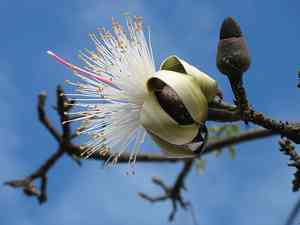
The ideal period for relocating shaving Brush Tree is as the days lengthen, generally from early to mid-spring. Select a bright spot with soil that drains effectively to provide shaving Brush Tree with a new beginning. Handling it carefully during the transfer guarantees a smooth adjustment.
Essential Preparations Before Relocating Shaving Brush Tree?
Optimal Period for Relocating Shaving Brush Tree?
Early spring marks an excellent time for moving shaving Brush Tree. This timing allows the plant to establish its root system in the warming ground. Transplanting shaving Brush Tree during these milder months enables it to benefit from the upcoming growing season, ensuring a robust, healthy foundation for the year ahead. You're providing shaving Brush Tree with a superb start by selecting this period!
Required Spacing Between Shaving Brush Tree Plants?
When preparing to move your shaving Brush Tree, adequate spacing is crucial! Each young plant requires ample room to develop. Aim for a distance of approximately 8-10 feet (2.4-3 meters) between them. This will allow their roots to spread and support their growth.
Best Soil Mixture for Shaving Brush Tree Relocation?
Your shaving Brush Tree thrives in well-draining soil. Consider preparing a soil base blend of sand, compost, and peat moss. Apply a suitable base fertilizer to supply essential nutrients. Remember, healthy soil leads to a thriving plant!
Ideal New Location for Your Shaving Brush Tree?
The shaving Brush Tree appreciates ample sunlight. Therefore, select a spot that receives full to partial sun exposure. However, if you reside in a hot climate, a location with afternoon shade would be perfect to shield it from intense heat.
Equipment Needed Before Transplanting Shaving Brush Tree?
Gardening Gloves
Used to safeguard your hands while handling soil and the shaving Brush Tree plant.
Spade or Shovel
Required for excavating the new planting hole and extracting the plant from its original spot.
Garden Fork
For gently loosening the soil within the transplant hole, ensuring space for root expansion.
Wheelbarrow or Tarpaulin
Aids in moving the shaving Brush Tree plant from its initial position to the new one without damage.
Watering Can
Convenient for thoroughly hydrating the plant post-transplantation.
Organic Matter/ Compost
To enrich the soil's nutrient content in the new planting site.
Mulch
For covering the topsoil after planting, which helps maintain soil moisture.
How to Extract Shaving Brush Tree from the Ground?
How to Extract Shaving Brush Tree from the Ground?
From Ground: Initially, moisten the soil by pouring water around the base of the shaving Brush Tree plant. Next, dig a wide trench around the plant using a shovel or spade, aiming to keep the plant's root ball intact. Gradually work the spade beneath the root ball, lifting the plant from its original location.From Pot: If the shaving Brush Tree plant is in a container, water it lightly a few hours prior to transplanting; this reduces stress for the plant during removal. Tilt the pot sideways and gently ease the plant out, keeping the root ball as undisturbed as possible.From Seedling Tray: For seedlings, it's best to transplant them when they are well-developed but not yet root-bound. Use a spoon or a small tool to carefully scoop out each individual shaving Brush Tree seedling with its root ball, avoiding damage to the delicate roots.
Step-by-Step Guide for Relocating Shaving Brush Tree
Site Preparation
Once the new planting site is chosen, use a spade or shovel to dig a hole that is twice as wide and equally as deep as the shaving Brush Tree plant's root ball. Incorporate some organic matter or compost, and gently mix it with the existing soil.
Transplanting
Position the shaving Brush Tree plant in the center of the hole. Adjust its placement so the top of the root ball is level with the ground surface, then backfill the hole with soil, spreading it around the root ball.
Firming
Gently press down the soil around the plant's base, ensuring it's secure and free of air pockets.
Watering
Thoroughly water the plant after transplanting. This helps the soil settle around the roots.
Mulching
After watering, apply a layer of mulch around the plant's base. Ensure it does not touch the stem, as this can lead to rot.
Post-Transplant Care for Shaving Brush Tree?
Temperature Monitoring
Ensure the shaving Brush Tree plant is not exposed to extreme temperatures after relocation. Both excessive heat and cold can stress the plant, hindering its recovery from the transplant.
Consistent Watering
Keep the soil moist, but avoid over-watering. Allow the top inch of soil to dry out between watering sessions.
Pruning
After a few weeks, selectively prune the shaving Brush Tree plant to encourage denser growth, but avoid heavy pruning immediately after transplanting.
Insect/Pest Inspections
Regularly check your plant for signs of pests or disease. If any issues are observed, act quickly to address them.
Resolving Common Issues with Shaving Brush Tree Transplantation.
When is the best time to transplant shaving Brush Tree?
The ideal period for transplanting shaving Brush Tree is during the S1-S2 timeframe. This ensures proper establishment before any significant weather changes.
Why are my shaving Brush Tree buds not thriving after relocation?
The plant may be experiencing transplant shock, which can delay blooming. Allow shaving Brush Tree time to adapt to its new surroundings.
What happens if the transplant hole is too narrow?
A constricted hole can restrict shaving Brush Tree roots, negatively impacting its growth. Ensure the hole is approximately twice the width of the root ball.
Why should I space shaving Brush Tree 8-10 feet (2.4-3 meters) apart when transplanting?
Appropriate spacing of 8-10 feet (2.4-3 meters) promotes good air circulation, reducing disease spread and providing room for development.
How deep should I plant shaving Brush Tree during relocation?
Shaving Brush Tree should be planted at the same depth it was growing in its original container, ensuring the root collar remains exposed.
What is the proper way to water shaving Brush Tree after transplanting?
After transplanting, thoroughly water shaving Brush Tree to help settle the soil, then maintain a consistent watering schedule until it is well-established.
How can I help my shaving Brush Tree recover quickly after relocation?
Minimize transplant shock by keeping the rootball moist, watering regularly without saturating it, and providing partial shade until it revives.
What type of soil does shaving Brush Tree prefer?
Shaving Brush Tree thrives in well-drained, fertile soil. Amend the planting area with organic matter to improve texture and nutrient content, if necessary.
When should I prune shaving Brush Tree after transplanting?
It's best to avoid immediate pruning. Wait at least a year after transplanting shaving Brush Tree before undertaking any significant trimming.
Why did my shaving Brush Tree wilt after relocation?
Wilting could be due to transplant shock or watering issues. Ensure shaving Brush Tree is neither waterlogged nor excessively dry after transplanting.



