How to Transplant Flowering almond?
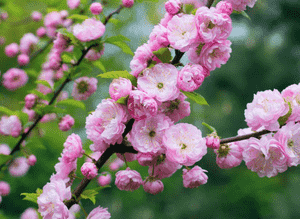
The ideal period for transplanting flowering almond is within the revitalizing span of early to mid-spring. Choose a brightly lit location featuring soil that drains effectively; carefully assist its root system in establishing itself. Provide authentic, gentle nurturing.
What Preparations are Needed Before Transplanting Flowering Almond?
What is the Ideal Time for Transplanting Flowering Almond?
The optimal period for relocating flowering almond is the revitalizing phase of early to mid-spring. Moving it during this time leverages spring's vigorous growth, promoting strong root development and minimizing transplant shock. This timing ensures flowering almond establishes itself with the entire season ahead to thrive. By transplanting flowering almond in spring, you give it a head start, guaranteeing it becomes a well-rooted and stunning garden feature, abundant with blooms for many seasons.
How Much Space Should You Leave Between Flowering Almond Plants?
When transplanting flowering almond, allow ample room for each specimen. Ideally, a spacing of 10-12 feet (3-3.7 meters) between plants will support healthy growth without nutrient competition. This also ensures their beautiful flowers have sufficient space to unfurl.
What is the Best Soil Mix for Flowering Almond Transplanting?
Flowering almond flourishes in well-drained soil rich in organic matter. A good blend of sandy or loamy soil is suitable; remember to incorporate some base fertilizer. This will supply essential nutrients to your plant and provide a strong beginning.
Where Should You Relocate Your Flowering Almond?
Selecting the correct site to transplant flowering almond is vital. It enjoys ample sunlight, so aim for a location with full sun exposure. However, a spot with some afternoon shade won't be detrimental. When planning, ensure the area can accommodate the plant's spatial requirements.
What Equipments Should You Prepare Before Transplantation Flowering Almond?
Gardening Gloves
These protect your hands when handling soil and flowering almond, preventing any potential injuries.
Gardening Shovel or Spade
Used to excavate the transplanting hole and carefully extract the plant from its original spot, ensuring root integrity.
Garden Trowel
Convenient for moving the plant from its container to the ground.
Gardening Fork
Helpful for loosening the soil around the plant's roots, especially if the plant originated from the ground.
Wheelbarrow or Plant Caddy
For transporting the flowering almond plant from its initial location to the new planting site.
Watering Can or Hose
To hydrate the plant before and after the transplanting process.
How Do You Remove Flowering Almond from the Soil?
How Do You Remove Flowering Almond from the Soil?
From Ground: Start by moistening the soil around the flowering almond plant. This facilitates removal and minimizes root damage. Dig a wide circle around the plant with a gardening shovel, being careful to avoid harming the root system. Try to retain as much original soil as possible, then gently lift the plant.From Pot: Adequately water the flowering almond plant before attempting to remove it from its pot. Invert the pot while securely holding the plant at its base. The plant, with its intact soil, should slide out easily. If not, tap the pot's edges to loosen the root ball.From Seedling Tray: First, water the flowering almond seedling tray to ensure the seedlings are damp. Using a garden trowel, carefully separate each seedling, making sure to retain as much root and soil as possible.
Step-by-Step Guide for Transplanting Flowering Almond
Preparation
This involves watering the flowering almond plant at its current location, preparing the new site by digging a hole twice the width and equal in depth to the plant's root ball, and mixing compost with the excavated soil. Ensure the dug hole has a central mound to spread the roots over.
Transportation
Carefully move the plant using a wheelbarrow or plant caddy to the new site without causing any harm to the plant.
Placement
Position the flowering almond plant in the hole. The top of the root ball should be level with the ground surface; spread the roots over the central mound in the hole.
Refilling
Use the soil-compost mixture to backfill the hole, gently tamping down to eliminate air pockets but being careful not to over-compact the soil. The flowering almond plant should stand upright and be stable in its new spot.
Watering
Water the plant generously immediately after transplanting.
How Do You Care For Flowering Almond After Transplanting?
Watering
The flowering almond plant requires sufficient water, especially during the initial weeks. Water the plant until the surrounding soil is moist, and do this regularly, but prevent waterlogging as it can harm the plant.
Pruning
Remove any damaged or broken branches to encourage new growth and maintain the plant's form. Also, removing flowers during the first season allows the flowering almond to prioritize root establishment over bloom production.
Weeding
Keep the planting area free of weeds as they can compete with the flowering almond plant for nutrients. You can also apply a light layer of mulch around the plant's base to help deter weed growth and maintain soil moisture.
Troubleshooting Common Issues with Flowering Almond Transplantation.
When is the best time to transplant flowering almond?
The ideal period to transplant flowering almond is between early spring and mid-autumn, ensuring it receives optimal conditions for growth.
How big of a hole should I dig for flowering almond?
Excavate a hole twice as wide and the same depth as the root ball of flowering almond. This provides ample space for the roots to expand.
What should the ideal spacing between flowering almond plants be?
Ideally, flowering almond should be planted 10-12 feet (3-3.65 meters) apart. This gives each plant enough room to grow without overcrowding.
What's the right way to water flowering almond after transplanting?
Water flowering almond immediately after transplanting, ensuring the roots are thoroughly saturated. Consistent deep watering for the subsequent week will aid in the plant's establishment.
Any specific soil type needed to transplant flowering almond?
Flowering almond prefers well-drained soil with a slightly acidic to neutral pH. Its roots may rot in waterlogged soil, so ensure proper drainage.
Does flowering almond need any special care after transplanting?
Beyond consistent watering and appropriate soil, flowering almond doesn't require special attention. Just ensure it gets enough sunlight and protect it from harsh weather.
How should I prepare the transplant spot for flowering almond?
Clear any weeds from the transplant area, dig the hole, and incorporate compost or organic matter for nutrients before placing flowering almond.
Should I prune flowering almond after transplanting?
Pruning is not necessary immediately after transplanting flowering almond. However, if the plant appears stressed, lightly prune to reduce its water demands.
Can I transplant flowering almond during the blooming season?
Transplanting flowering almond during its blooming period can stress the plant. It's best to wait until the blooming season concludes, ideally from early spring to mid-autumn.
Do I need to fertilize flowering almond after transplanting?
Once flowering almond is transplanted, applying a slow-release fertilizer can assist in its establishment. However, avoid immediate fertilization; wait 4-6 weeks after planting.



