How to Transplant Tibetan cherry?
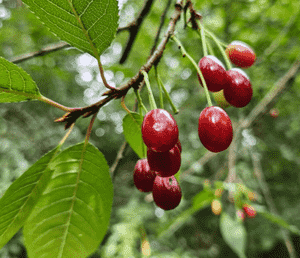
The most favorable period for transplanting tibetan cherry is from the beginning to the middle of spring, as the ground thaws and root systems readily take hold. Choose a location bathed in sunlight with soil that drains effectively. Should it be necessary, enrich the soil and apply mulch after moving the plant to help retain moisture and regulate temperature.
Essential Preparations Before Relocating Tibetan Cherry
Optimal Period for Moving Tibetan Cherry?
The most favorable time for transplanting tibetan cherry is early spring, as the season's thaw offers an ideal environment for root development. Placing tibetan cherry in its new spot then encourages a strong root system before summer's heat. By moving tibetan cherry as spring begins, you maximize its chances of flourishing, benefiting from mild weather and increasing daylight.
Recommended Spacing Between Tibetan Cherry Plants?
When relocating tibetan cherry, aim for a separation of approximately 15-20 feet (4.5-6 meters). This provides ample space for the plant to expand, fostering healthier development and reducing competition for resources.
Best Soil Mixture for Tibetan Cherry Transplanting?
Prepare the soil for tibetan cherry by establishing a rich base of well-draining loam or sandy soil, and enrich it with a slow-release fertilizer to supply vital nutrients. A pH level of about 6.0-7.0 is suitable for this plant.
Where to Replant Your Tibetan Cherry?
Position your tibetan cherry in a spot where it will receive full sun to partial shade. An area that gets morning sun and afternoon shade would be perfect. The plant thrives in sunlight but not intense heat.
Tools Required Before Transplanting Tibetan Cherry?
Hand Trowel
A hand trowel is crucial for digging small holes in the soil and facilitating the transplantation of tibetan cherry.
Gardening Shovel or Spade
A shovel or spade is used for excavating a sufficiently deep hole in the new location to accommodate the root ball of tibetan cherry.
Gardening Gloves
To safeguard your hands while handling soil and the plant.
Gardening Fork
Useful for gently extracting tibetan cherry from its original spot, especially if it's in the ground.
Watering Can
For hydrating the plant during and after the relocation.
Pruning Shears
To trim any damaged or diseased branches both before and after transplanting.
Burlap
To wrap the plant's root ball during transport.
Wheelbarrow
To transport the plant if its base is large and heavy.
How to Extract Tibetan Cherry from the Soil?
How to Extract Tibetan Cherry from the Soil?
From Ground: Start by thoroughly watering the tibetan cherry a few hours prior to its scheduled removal. This will help alleviate plant stress and make the soil easier to manage. Using a gardening fork or spade, create a wide trench around the plant, ensuring you maintain a safe distance from the main stem to prevent root damage. Once the trench is complete, carefully lift the plant from the ground.From Pot: Water your tibetan cherry thoroughly before beginning the removal process. Tilt the pot sideways and gently tap its sides and bottom to loosen the soil and roots. Holding the plant's base, carefully pull it out, taking care not to harm the root ball.From Seedling Tray: Water the tibetan cherry generously. Use a small tool or your fingers to gently push the seedling up from below, being careful to lift it by the leaves rather than the stem, and then with extreme caution, remove the plant from its cell.
Step-by-Step Guide for Relocating Tibetan Cherry
Initial Preparations
Water your tibetan cherry thoroughly and trim any damaged or diseased branches before commencing the transplant process.
Dig a hole in the new location
The excavation should be twice as wide and the same depth as the root ball.
Placing the Plant
Lower the tibetan cherry into the hole, ensuring the top of the root ball is level with the soil surface.
Backfilling
Refill the hole with soil, firming it gently but avoiding excessive compaction.
Watering
Water the tibetan cherry thoroughly after the transplant to help settle the soil and aid the plant's recovery from any transplant shock.
Stake if Necessary
If your plant is tall and exposed to winds, stake it for additional support.
Post-Transplant Care for Tibetan Cherry
Watering
Immediately after transplanting, water the plant thoroughly and continue to keep the soil around tibetan cherry consistently moist for the initial few weeks.
Pruning
Pruning might be necessary after a few days to remove any further visible damage from transplant shock.
Pest and Disease Check
Monitor the plant for the first few weeks for any indications of pest or disease infestation, as tibetan cherry may be more susceptible to such issues after transplanting.
Staking
If required, use garden stakes to support the plant while its roots re-establish.
Addressing Common Issues with Tibetan Cherry Transplantation.
When is the optimal time to transplant tibetan cherry?
Ideally, you should transplant tibetan cherry during S1-S2 season, or when foliage is dormant. These periods encourage root growth and minimize transplant shock.
What is the correct spacing for tibetan cherry during transplantation?
For best outcomes, maintain a distance of 15-20 feet (4.5-6 meters) between each tibetan cherry. This allows ample room for each plant to grow.
How can I prevent transplant shock for tibetan cherry?
Transplant during dormancy, maintain soil consistency, and water deeply after transplanting. Adequate hydration helps roots re-establish in their new environment.
How deep should I dig the hole for transplanting tibetan cherry?
Excavate a hole twice the width and the same depth as the root ball or pot. This assists roots in adapting to the new soil conditions.
Any specific soil type for tibetan cherry transplantation?
Tibetan cherry thrives in loamy, well-drained soil with a neutral pH. If possible, try to replicate the soil conditions of its original location.
Should I prune tibetan cherry during transplantation?
Tibetan cherry typically doesn't require pruning. However, removing damaged or diseased branches before transplanting can promote healthier growth.
What if the leaves of my transplanted tibetan cherry start wilting?
Wilting usually indicates insufficient watering. Water deeply. If no improvement, consider root damage during transplantation or incorrect planting depth.
Why isn't my transplanted tibetan cherry growing?
Tibetan cherry may need time to adjust to its new environment. However, inadequate watering, incorrect soil type, or nutrient deficiency can also impede growth.
Should I fertilize tibetan cherry right after transplanting?
It's best to wait until tibetan cherry shows signs of new growth. Over-fertilizing can burn the roots and hinder the plant's ability to adapt.
How to care for tibetan cherry after transplantation?
Ensure sufficient watering (but avoid over-watering), apply mulch to retain moisture and deter weed growth. Watch for pests or diseases, and fertilize if necessary.



