How to Transplant Black cherry?
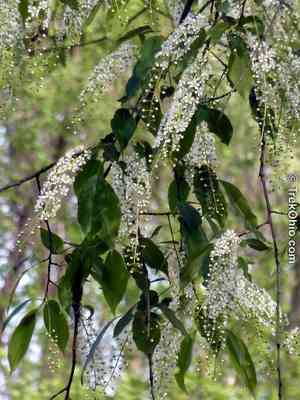
The ideal period for relocating black cherry spans from the end of spring to the middle of summer, since the elevated temperatures foster robust root establishment. Select a site featuring soil that drains effectively, receives partial sunlight, and offers shelter from strong gusts. Carefully untangle the root system prior to transplantation to encourage peak growth.
Necessary Preparations Before Relocating Black Cherry?
Optimal Period for Moving Black Cherry?
The prime window for relocating black cherry spans from late spring to mid-summer; this duration is perfect for developing robust root systems. This timing guarantees favorable growth conditions and minimizes transplant shock, fostering a healthy, thriving plant.
Required Spacing Between Black Cherry Plants?
To allow your black cherry ample room to grow, position each young tree approximately 20-30 feet (6-9 meters) apart. This will aid their development and yield abundant fruit.
Best Soil Mixture for Black Cherry Relocation?
Ensure you prepare a well-draining, loamy soil with a pH ranging from 6.0 to 7.0 for your black cherry. Incorporate some compost or aged manure as a foundational fertilizer.
Where to Replant Your Black Cherry?
Select a site with full sun to partial shade for your black cherry transplant location, as this plant requires at least 4-6 hours of direct sunlight daily.
Equipment to Prepare Before Transplanting Black Cherry?
Gardening Gloves
To safeguard your hands while handling soil and the black cherry plant.
Shovel or Spade
For excavating holes and trenches during the relocation process.
Hand Trowel
For more precise tasks around the black cherry root ball and to assist in positioning the plant in its new spot.
Pruning Shears
To remove any damaged or superfluous roots, branches, or leaves.
Wheelbarrow or Large Bucket
To transport the black cherry plant and soil.
Organic Compost or Soil Amendment
To blend with the existing soil and enhance its structure.
Mulch
To aid in moisture retention and regulate soil temperature post-transplant.
How to Extract Black Cherry from the Ground?
How to Extract Black Cherry from the Ground?
- From Ground:First, hydrate the black cherry plant to moisten the soil, making excavation easier. Next, dig a wide trench around the plant with a shovel or spade, ensuring the plant's root ball remains intact. Carefully work the spade beneath the root ball to lift the plant from its original position. Remove any excess soil from the root ball and place the plant into a wheelbarrow or large bucket for transport.- From Pot:Water the black cherry plant and gently loosen the soil around the pot's edges. Turn the pot on its side, and carefully slide the plant out while supporting the root ball. Avoid pulling on the stem or harming the roots.- From Seedling Tray:Dampen the soil in the seedling tray. Using a hand trowel or a small spoon, gently work around the individual black cherry plant's root ball and carefully lift it out to prevent damage to the roots, stem, or leaves.
Step-by-Step Guide for Relocating Black Cherry
Site Preparation
Excavate a hole in the chosen spot that is twice as wide and as deep as the black cherry plant's root ball. Incorporate organic compost or soil amendment to improve soil structure.
Root Trimming
Using pruning shears, trim away any damaged or unnecessary roots from the black cherry's root ball.
Placement
Carefully position the black cherry plant in the center of the hole, ensuring it stands upright and is at the same soil depth as it was in its previous location.
Backfilling
Carefully fill the hole around the black cherry plant with the amended soil, gently firming it with your hands to eliminate any air pockets.
Watering
Thoroughly water the black cherry plant to help settle the soil and ensure good root-to-soil contact.
Mulching
Apply a layer of mulch around the base of the black cherry plant, ensuring it does not touch the stem. This will help retain moisture and regulate soil temperature.
Post-Transplant Care for Black Cherry
Watering
Keep the soil around the black cherry consistently moist, but not waterlogged, for the initial weeks after transplanting to aid in establishing strong roots.
Pruning
Remove any damaged, diseased, or crossing branches for improved plant health and to encourage new growth on the black cherry plant.
Fertilization
After approximately one month, begin applying a balanced, slow-release fertilizer to support the black cherry's growth.
Pest and Disease Control
Monitor for common pests or signs of disease, and implement preventative or curative measures based on the specific issue.
Monitoring
Regularly inspect the black cherry plant for any indications of stress or problems, and address them as needed to ensure a successful transplant.
Addressing Common Issues with Black Cherry Transplantation.
What is the optimal season for transplanting black cherry?
The best time to transplant black cherry is late spring to mid-summer, allowing the plant to establish itself before winter.
How much space should be left between each black cherry?
You should provide a spacing of about 20-30 feet (6-9 meters) between each black cherry to ensure optimal growth.
What type of soil is recommended for transplanting black cherry?
Black cherry prefers well-draining, slightly acidic to neutral soil, with a pH between 6.0 and 7.0.
What depth should the hole be for transplanting black cherry?
Dig a hole that is 2-3 times the width of the root ball and the same depth as the container.
How can I protect the roots during black cherry transplanting?
Handle the roots gently, avoiding excessive contact. Keep them moist and protect from direct sunlight.
How much water do black cherry saplings require after transplanting?
Water black cherry thoroughly after transplanting, and maintain consistent moisture until roots are well-established.
What is the recommended fertilizing practice for transplanted black cherry?
Apply a slow-release fertilizer formulated for trees and shrubs after transplanting, following package directions.
How can I help ensure the survival of black cherry after transplanting?
Protect from extreme weather, maintain proper water and nutrient levels, and watch for pests or diseases.
Is staking necessary for black cherry after transplanting?
Staking might be necessary if your black cherry is top-heavy or in a windy location. Stake it loosely for support.
How should I prune black cherry after transplanting?
Prune black cherry lightly, removing dead or damaged branches. Trim to maintain shape or to encourage an open crown.



