How to Transplant Bird cherry?
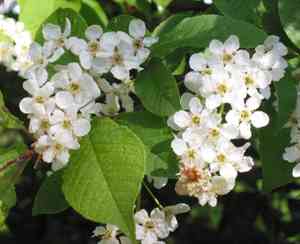
The ideal period for relocating bird cherry is amidst the lush vigor of mid to late spring, guaranteeing its flourishing in the new environment. For peak development, a sun-exposed spot with adequately draining earth is essential. Carefully untangle the root masses prior to placement, facilitating a smooth adaptation.
Preparations Required Before Relocating Bird Cherry
Optimal Period for Moving Bird Cherry?
The best time to move bird cherry is during the transition from mid to late spring. This timing ensures the ground is sufficiently warm for root development but cool enough to prevent stress on the bird cherry. Transplanting bird cherry at this point allows for pre-summer growth, giving the plant ample opportunity to establish itself before the intense summer sun arrives. Performing the transplant within this window aligns with the natural growth cycle of bird cherry, increasing the likelihood of a successful move to its new spot.
Recommended Spacing Between Bird Cherry Plants?
For new gardeners, it's vital to provide your bird cherry ample room to expand. Ideally, position them 5-6 feet (1.5-1.8 meters) apart. This enables each plant to grow independently without competing for resources.
Best Soil Blend for Bird Cherry Relocation?
Your bird cherry will flourish in well-drained soil, so select a garden area that isn't prone to water accumulation. As a foundational fertilizer, incorporate organic compost or balanced slow-release granular types to enrich the soil.
Where to Replant Your Bird Cherry?
Choosing the correct spot for your bird cherry is essential. It enjoys sunlight but not intense heat, so pick a location that receives ample morning sun but offers partial shade in the afternoon.
Equipment Needed Before Transplanting Bird Cherry?
Gardening Gloves
You'll require a sturdy pair of gardening gloves to shield your hands from dirt, sharp implements, and the plant itself.
Spade or Garden Shovel
These tools are crucial for excavating a sufficiently deep hole for your bird cherry. A spade is best for in-ground transplanting, while a shovel might be more suitable for potting or seedling tray transplantation.
Garden Trowel
You'll need this tool to gently lift the bird cherry from its container or seedling tray.
Secateurs / Pruners
If your bird cherry has grown large, a slight trim might be necessary before transplanting. Quality pruners will simplify this task.
Watering Can
A watering can will ensure your bird cherry remains adequately hydrated throughout the transplanting process.
Garden Wagon or wheelbarrow (Optional)
This can facilitate easier movement of the plant from one location to another.
How to Extract Bird Cherry from the Soil?
How to Extract Bird Cherry from the Soil?
From Ground: If the bird cherry is currently in the ground, begin by watering it to moisten the soil. This makes it easier to dig the plant out without harming the roots. Next, dig around the plant with a spade. The aim is to get beneath the root ball, without breaking it or damaging the roots. Afterward, carefully lift the plant out of the ground.From Pot: If the bird cherry is in a pot, water the plant first. Then turn the pot sideways, gently hold the plant by the stems, and tap the pot's edge against a flat surface. As the plant loosens, continue tapping until it slides out, cradling the root ball with your hand.From Seedling Tray: If the bird cherry is in a seedling tray, water the soil first. Use a trowel to gently loosen the soil around the plant. Once loose, you can lift the plant by its base, and it should slip out easily.
Step-by-Step Guide for Relocating Bird Cherry
Site Preparation
After selecting an appropriate location for your bird cherry (considering sunlight and space), begin preparing the site. Dig a hole that is twice as wide and as deep as the bird cherry's root ball.
Placement
Position the bird cherry into the hole, ensuring it is not sitting lower than the ground surface. Make sure the plant stands upright in the hole.
Backfilling
Loosely refill the hole with the soil you previously excavated. Gently pat the soil around the base of the bird cherry to eliminate any air pockets.
Watering
Water the plant generously to help it settle.
Stabilization
If your bird cherry is large, or in a windy area, you might need to support it with a couple of stakes tied to the main stem to prevent it from toppling over.
Post-Transplant Care for Bird Cherry
Watering
After transplantation, keep the soil around the bird cherry consistently damp. Remember, plants typically need more water immediately after transplanting, so ensure you water the bird cherry regularly.
Observation
Closely monitor your bird cherry for the first few weeks following transplantation. Watch for signs of stress such as wilting or discoloration. If any of these symptoms appear, adjust your care methods accordingly.
Mulching
A layer of mulch around the base of the bird cherry will help retain soil moisture and suppress weeds that could compete with your plant for nutrients. Be sure to apply mulch a few days after the transplant, not immediately.
Addressing Common Issues with Bird Cherry Relocation.
When is the best time to move bird cherry?
The ideal period to relocate bird cherry is from late autumn through early spring (S2-S3), when the plant is dormant.
What is the necessary spacing when moving bird cherry?
It's crucial to keep each bird cherry approximately 5-6 feet (1.5-1.8 meters) apart to allow them room to grow.
Should I trim bird cherry before relocating?
Absolutely! Pruning some branches helps minimize water loss and improves the tree's chances of surviving the move.
What type of soil is best for bird cherry relocation?
Bird cherry prefer well-drained soil that is neutral to slightly acidic. Ensure it's rich in organic matter for optimal growth.
How deep should I dig a hole to relocate bird cherry?
The hole should be twice as wide and slightly shallower than the root ball, approximately 1-2 feet (30-60 cm) deep.
What is the best method to remove bird cherry from its current spot for relocation?
Carefully dig around your bird cherry, starting about a foot (30 cm) away from the trunk. Be sure to keep the root ball intact.
How much should I water bird cherry after relocating?
Bird cherry require a thorough watering immediately after transplanting. Afterward, water weekly if it's a dry season, but be careful not to overwater.
How can I manage transplant shock in bird cherry?
Water the bird cherry generously, shield it from extreme weather, and consider using a transplanter solution which can aid its establishment in the new location.
Should I fertilize bird cherry immediately after relocating?
Refrain from fertilizing right away. It can overwhelm the bird cherry. Wait about 4-6 weeks, then use a high phosphorus fertilizer.
What if the relocated bird cherry shows no new growth?
Patience is key, new growth can take time. If after 6-8 weeks there's no sign of life, contact a local nursery for assistance.



