How to Transplant Japanese apricot?
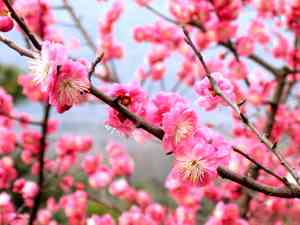
For Japanese apricot, the optimal period for relocation is from the end of spring to the beginning of summer, leveraging perfect growing circumstances. Select locations bathed in sunlight with soil that drains effectively; carefully managing the root system during this phase encourages vigorous establishment.
What Preparations are Needed Before Transplanting Japanese Apricot?
What is the Ideal Time for Transplanting Japanese Apricot?
The best time to move japanese apricot is during the transition from late spring to early summer. This period offers mild weather, reducing environmental stress on the delicate roots of japanese apricot, which is vital for successful re-establishment. Relocating japanese apricot at this time also takes advantage of the active growing season, allowing the plant ample opportunity to recover and flourish before colder weather arrives. A friendly reminder: transplanting japanese apricot now ensures strong growth and a beautiful bloom display, making the effort truly worthwhile!
How Much Space Should You Leave Between Japanese Apricot Plants?
Begin by positioning your japanese apricot plants approximately 6-8 feet (1.8-2.4 meters) apart. This spacing provides sufficient room for each plant to develop in your garden. Remember, adequate spacing promotes better plant growth!
What is the Best Soil Mix for Japanese Apricot Transplanting?
Your japanese apricot thrives in well-drained soil, so consider a sandy or loamy type. You can start by incorporating compost into the soil as a foundational fertilizer. This will supply essential nutrients for healthy development. Proper soil preparation always benefits plants!
Where Should You Relocate Your Japanese Apricot?
Once your soil is prepared, select a location that receives partial to full sunlight for your japanese apricot plants to flourish. Avoid planting them in complete shade. Sunlight is crucial for the health of your plants, so choose your spot carefully.
What Equipments Should You Prepare Before Transplantation Japanese Apricot?
Shovel or Spade
To excavate a hole at the new planting site and assist in removing the japanese apricot from its original spot.
Gardening gloves
To safeguard your hands while handling soil and plants.
Wheelbarrow or Tarp
For holding and moving japanese apricot from its old location to the new one.
Hard rake
For leveling the ground surface after planting.
Watering can or hose
To promptly irrigate the japanese apricot after planting.
Mulch
To help maintain soil moisture and inhibit weed growth.
Pruners
To trim off any damaged branches.
How Do You Remove Japanese Apricot from the Soil?
How Do You Remove Japanese Apricot from the Soil?
From ground: First, thoroughly water the japanese apricot plant the day before the move to make the soil easier to manage. Use a shovel or spade to carefully dig around the outer edge of the plant's root system, ensuring the root ball remains intact. Gently pry beneath the root ball and lift the plant from the ground, avoiding undue stress on the main stem.From pot: Water the plant an hour prior to starting. Turn the pot on its side, hold the plant gently by the stems or leaves, and tap the bottom of the container until the plant slides out. A few taps might be necessary.From seedling tray: First, water the seedlings to moisten the soil. This will facilitate their removal from the compartments. Hold the leaf, rather than the stem, and gently pull the seedling out, ensuring as much of the root system as possible comes with it.
Step-by-Step Guide for Transplanting Japanese Apricot
Identifying the right time
The optimal time to transplant japanese apricot is in early spring before new growth begins or in the fall after leaf drop.
Preparing the new location
Dig a hole that is twice as wide and the same depth as the root ball of the japanese apricot. The top of the root ball should be at or slightly above ground level.
Placing the plant
Carefully move the japanese apricot, position it in the center of the hole, and backfill with soil. Gently firm the soil but avoid compacting it.
Watering
Immediately after planting, thoroughly water the japanese apricot.
Mulching
Apply a 2-3 inch layer of mulch around the japanese apricot, leaving a gap around the trunk to prevent rot.
How Do You Care For Japanese Apricot After Transplanting?
Watering
It's essential to properly water the japanese apricot following transplantation. Water deeply, but ensure the soil is not waterlogged. Keep the soil consistently moist over the first few weeks.
Mulching
Regularly replenish the mulch; this will help maintain soil moisture and suppress weed growth.
Pruning
Lightly prune the japanese apricot tree after transplanting to reduce water loss. Avoid heavy pruning as it can stress the tree.
Protection
Depending on your region, consider implementing measures to protect newly transplanted japanese apricot from wildlife or extreme weather.
Monitoring
Keep a close watch on the japanese apricot for signs of transplant shock, such as wilting leaves or slowed growth. If you observe any of these signs, maintain consistent care, and the plant should recover over time.
Troubleshooting Common Issues with Japanese Apricot Transplantation.
When is the ideal time of the year to transplant japanese apricot?
The best time to transplant japanese apricot is during the transition to the late growing season, between late summer and early fall.
How much room does each japanese apricot need when I plant them?
Japanese apricot thrives with ample space; aim for a spacing of 6-8 feet (1.8-2.4 meters) between each plant.
What kind of soil is best for transplanting japanese apricot?
Japanese apricot prefers slightly acidic to neutral soil. Well-drained soil enriched with organic matter is ideal for promoting healthy growth.
What to do if japanese apricot shows signs of transplant shock?
If japanese apricot exhibits transplant shock, avoid further disturbance. Keep the soil moist, not waterlogged, and provide partial shade.
How deep should I plant the japanese apricot when transplanting?
The hole should be twice as wide and as deep as the container or root ball of the japanese apricot. The root crown should be level with the ground.
How do I water japanese apricot after transplanting?
Water japanese apricot immediately after planting. Afterward, aim to keep the soil consistently moist but not soggy. Deep, less frequent watering is better than shallow, frequent watering.
How do I prepare the site for transplanting japanese apricot?
Choose a location with full sun to partial shade. Remove all weeds and debris, then dig a hole of appropriate size and add compost or other organic matter.
What if the leaves of japanese apricot start to yellow after transplanting?
Yellow leaves often indicate overwatering. Reduce watering frequency and ensure the planting site has excellent drainage to prevent standing water.
When should I start feeding japanese apricot after transplanting?
Japanese apricot will benefit from a balanced fertilizer applied in early spring after the plant has had time to settle in its new home, typically 2-3 weeks after planting.
How to care for japanese apricot during the winter months after transplanting?
Protect japanese apricot in its first winter by wrapping it with horticultural fleece if cold temperatures are forecast. Also, avoid late fall watering to prevent root damage from freezing.



