How to Transplant David's peach?
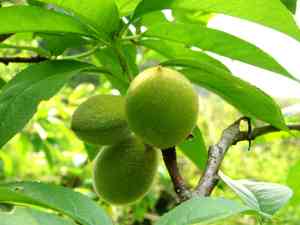
David's peach flourishes when moved during the ideal period of early to late spring, as this timeframe facilitates excellent rooting. To ensure a successful transfer, select a bright, well-draining location. Refrain from transplanting during harsh weather conditions to lessen the plant's strain.
What Preparations are Needed Before Transplanting David's Peach?
What is the Ideal Time for Transplanting David's Peach?
The best time for moving david's peach is from early spring through its later stages. This period offers mild weather and sufficient moisture, allowing david's peach to establish its root system effectively. Successful relocation during this season promotes root development and lessens transplant shock, providing a stronger start for david's peach in its new spot. This preparation aligns with its natural growth cycle, making the transition smoother and more advantageous.
How Much Space Should You Leave Between David's Peach Plants?
When relocating david's peach, ensure a spacing of 15-20 feet (4.5-6 meters) between them to facilitate proper growth and air circulation.
What is the Best Soil Mix for David's Peach Transplanting?
Prepare soil that drains well with a pH between 6.0-7.5. Incorporate compost or aged manure to enrich the soil with nutrients. A starter fertilizer rich in phosphorus can aid in developing strong roots.
Where Should You Relocate Your David's Peach?
Select a sunny spot for transplanting david's peach. This perennial plant flourishes with at least 6-8 hours of direct sunlight daily.
What Equipments Should You Prepare Before Transplantation David's Peach?
Gardening Gloves
To safeguard your hands while handling soil and the plant.
Shovel or Spade
For excavating the hole and trench for the david's peach root ball during transplantation.
Pruners
To trim any impaired roots or branches.
Watering Can or Hose
To hydrate the plant before and after its relocation.
Tarp or Blanket
To assist in moving the plant if required.
Root Stimulator
To encourage root development and minimize transplant shock.
Mulch
To retain moisture and shield the roots post-transplantation.
Stake and Ties (optional)
To support david's peach if it's a larger specimen and requires assistance to stand upright.
How Do You Remove David's Peach from the Soil?
How Do You Remove David's Peach from the Soil?
From Ground: First, water the david's peach plant to moisten the soil. Then, dig a wide trench around the plant using a shovel or spade, ensuring the plant's root ball remains intact. Carefully work the spade under the root ball to lift the plant from its original location.From Pot: Begin by watering the david's peach plant to soften the soil. Gently tip the pot and slide the plant out, supporting the base. If the plant is stuck, tap the sides of the pot to loosen it. Be cautious not to damage the roots during this process.From Seedling Tray: Water the seedling tray to ensure the soil is moist. Use a small tool, like a spoon or your fingers, to gently lift the david's peach seedling out. Make sure to keep the root ball intact and be gentle to avoid damaging the fragile roots.
Step-by-Step Guide for Transplanting David's Peach
Site Preparation
Prepare the new location by digging a hole twice as wide and as deep as the david's peach's root ball. Ensure the hole is ample enough to accommodate the roots without crowding.
Plant Removal
Carefully extract the david's peach from its initial spot, making sure the root ball is undamaged and roots are intact.
Placing Plant
Position the david's peach in the center of the prepared hole. Ensure the top of the root ball is level with or slightly above the surrounding soil surface.
Backfill Soil
Refill the hole with the excavated soil, gently compacting it to remove air pockets. Be careful not to bury the stem or trunk.
Water Thoroughly
Water the david's peach thoroughly immediately after transplanting to help settle the soil around the roots and provide initial hydration.
Apply Mulch
Spread a 2-3 inch layer of mulch around the plant's base, leaving space around the stem to prevent rot. This will help retain moisture and regulate soil temperature.
Stake the Plant
If david's peach is a larger specimen, consider staking it to offer support and shield it from wind and other movement until its roots are established.
How Do You Care For David's Peach After Transplanting?
Watering
Keep the soil around the david's peach consistently moist, but not waterlogged, for the initial weeks post-transplant to aid in establishing strong roots.
Monitoring
Regularly inspect the david's peach plant for indications of stress, such as wilting or yellowing leaves, and address any issues promptly.
Pruning
Trim back any damaged or overly long branches to lessen stress on the david's peach plant and encourage healthy growth.
Fertilizing
Wait a few weeks before fertilizing david's peach to prevent root burn. When you do fertilize, use a balanced, slow-release formula.
Troubleshooting Common Issues with David's Peach Transplantation.
When is the ideal time to transplant david's peach?
The best time to transplant david's peach is from early spring to late spring for optimal growth.
How far apart should I plant david's peach?
Ensure to space the david's peach plants 15-20 feet (4.5-6 meters) apart for proper growth.
What soil type is ideal for david's peach?
David's peach thrives in well-drained, loamy soil that's rich in organic matter.
How deep should I plant david's peach?
Plant david's peach at the same depth it was growing previously to avoid root stress.
How do I prepare the site for transplanting david's peach?
Clear the area of weeds and debris, then loosen the soil to a depth of 12 inches (30 cm).
What is the best way to water david's peach after transplanting?
Water thoroughly right after transplanting, ensuring the soil stays moist but not waterlogged.
How can I protect david's peach from transplant shock?
Minimize root disturbance, keep the roots moist during transplanting, and avoid extreme weather conditions.
What kind of fertilizer should I use for david's peach?
Use a balanced, slow-release fertilizer during planting to help david's peach establish quickly.
Should I prune david's peach when transplanting?
Lightly prune any damaged roots or branches, but avoid extensive pruning to reduce stress.
How can I ensure david's peach thrives after transplanting?
Consistently water, protect from pests, monitor for diseases, and mulch around david's peach to conserve moisture.



