How to Transplant Sweet cherry?
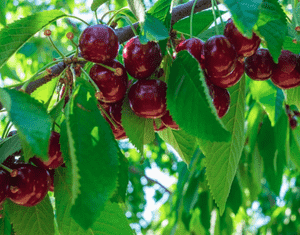
Relocate sweet cherry optimally from late spring to mid-summer, when temperatures are higher, to foster robust root development. Select a bright, adequately drained spot to maximize its growth. Handle fragile roots with extreme caution during the transfer, guaranteeing minimal disruption for successful outcomes.
What Preparations are Needed Before Transplanting Sweet Cherry?
What is the Ideal Time for Transplanting Sweet Cherry?
The optimal period for relocating sweet cherry is during late spring to mid-summer, as the warmer weather encourages robust root development. This timeframe offers abundant sunlight and perfect conditions for your plant to thrive.
How Much Space Should You Leave Between Sweet Cherry Plants?
When relocating sweet cherry, ensure generous spacing between individual plants. Aim for an optimal distance of 15-30 feet (4.5-9 meters), as this will provide ample room for growth and proper air circulation.
What is the Best Soil Mix for Sweet Cherry Transplanting?
For sweet cherry, prepare a soil that drains well with a pH level that is slightly acidic to neutral (6.0-7.0). Incorporate organic matter, such as compost or aged manure, as a foundational fertilizer to enhance nutrients and improve soil texture.
Where Should You Relocate Your Sweet Cherry?
Select a site for sweet cherry that receives full sunlight, ideally 6-8 hours daily. This will help ensure your plant flourishes and yields a plentiful harvest of delicious fruits.
What Equipments Should You Prepare Before Transplantation Sweet Cherry?
Gardening Gloves
To safeguard your hands while handling soil and the plant.
Shovel or Spade
To excavate holes and manage the earth.
Trowel
For precise digging and relocating the sweet cherry plant.
Measuring Tape
To ensure correct spacing between plants.
Watering Can or Hose
For hydrating the plant before and after relocation.
Pruner
To trim any damaged roots or branches to stimulate new growth.
Organic Compost or Amendments
To enhance soil quality and supply nutrients.
How Do You Remove Sweet Cherry from the Soil?
How Do You Remove Sweet Cherry from the Soil?
- From Ground:First, hydrate the sweet cherry plant to moisten the soil, making it easier to manage. Dig a wide trench around the plant using a shovel or spade, ensuring the plant's root ball remains intact. Carefully work the spade beneath the root ball to lift the plant from its original spot.- From Pot:Gently water the sweet cherry plant, then carefully loosen the soil around the pot's edges by tapping it on a firm surface, being careful not to harm the plant. Grasp the plant's base and invert the pot, encouraging the root ball to slide out. Support the root ball with your other hand.- From Seedling Tray:Moisten the soil in the seedling tray, then use a trowel or small garden fork to gently lift the sweet cherry seedling and its surrounding soil. Be cautious not to damage the roots.
Step-by-Step Guide for Transplanting Sweet Cherry
Preparing the Transplant Hole
Excavate a hole twice as wide and deep as the sweet cherry plant's root ball. Mix organic compost or soil amendments with the removed soil to create a superior growing medium.
Prepping the Plant
Trim any damaged roots or branches using a clean pruner. Position the sweet cherry plant into the transplant hole, ensuring it's at the same depth as it was in its previous location.
Filling the Hole
Carefully backfill the transplant hole with the amended soil, gently pressing it down around the root ball to eliminate air pockets. Ensure the plant is upright and straight.
Watering
Provide the sweet cherry plant with a thorough watering, allowing the water to settle the soil around the root ball.
Mulching
Apply a layer of organic mulch around the plant's base, leaving a gap around the stem to deter rot and pests. This will help conserve moisture and regulate soil temperature.
How Do You Care For Sweet Cherry After Transplanting?
Watering
Keep the soil around the sweet cherry consistently moist, but not waterlogged, for the initial weeks after transplanting to aid in establishing strong roots.
Pruning
Remove any dead, damaged, or diseased branches as soon as they appear to encourage healthy growth.
Fertilizing
Apply a balanced, slow-release fertilizer in spring or after the first fruit harvest to support the sweet cherry's growth and fruit production.
Pest and Disease Control
Monitor for common pests and diseases affecting sweet cherry plants, implementing organic or chemical controls as needed.
Seasonal Maintenance
Winter is the ideal time for pruning sweet cherry plants, remove any vertical branches and maintain a manageable shape for easier fruit harvesting.
Troubleshooting Common Issues with Sweet Cherry Transplantation.
When is the best time to transplant sweet cherry trees?
The optimal season to relocate sweet cherry trees is from late spring to mid-summer, ensuring ideal growth conditions.
How much space should be between sweet cherry trees when transplanting?
Provide ample room for growth by maintaining a distance of 15-30 feet (4.5-9 meters) between each sweet cherry tree.
How deep and wide should the planting hole be for sweet cherry?
Excavate a hole twice the width and depth of the root ball, or approximately 18-24 inches (45-60 cm) wide and deep.
What kind of soil is best for transplanting sweet cherry?
Sweet cherry thrives in well-drained, slightly acidic soil with a pH between 6.0 and 7.0. Incorporate compost for nutrients.
How should I prepare the root ball of sweet cherry before transplanting?
Remove the container or burlap, gently loosen the root ball, and trim any damaged or circling roots.
Should I stake sweet cherry trees after transplanting?
Staking is advisable to provide support during the initial years, but avoid rigid connections to allow flexibility.
How much water does sweet cherry require after transplanting?
Water sweet cherry thoroughly after transplanting, then provide 1-2 inches (2.5-5 cm) of water weekly during its first season.
Is it necessary to mulch around sweet cherry trees?
Applying a 2-4 inch (5-10 cm) layer of organic mulch helps retain moisture, regulate temperature, and reduce weeds.
What signs may indicate transplant shock in sweet cherry?
Symptoms of transplant shock may include wilted leaves, reduced growth, or yellowing foliage. Proper care can alleviate stress.
When can I expect fruit production after transplanting sweet cherry?
Sweet cherry trees typically begin producing fruit within 3-7 years of transplanting, depending on tree size and care quality.



