How to Transplant Apricot?
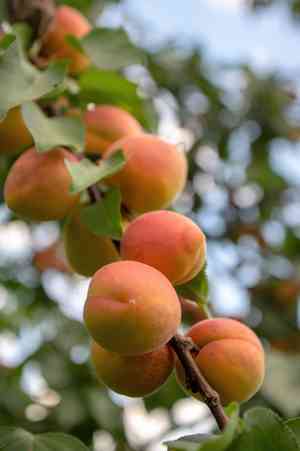
Relocate apricot during the ideal period of early to mid-spring, allowing roots to rapidly settle in revitalizing earth. Select a site offering abundant sunshine and soil that drains effectively. To facilitate adaptation, carefully loosen roots and thoroughly hydrate directly following the move.
What Preparations are Needed Before Transplanting Apricot?
What is the Ideal Time for Transplanting Apricot?
The optimal period for relocating apricot is from early spring until its peak, allowing the plant ample time to establish its root system. This timeframe promotes robust development, ensuring a flourishing apricot display. So, let's get ready for a smooth transition!
How Much Space Should You Leave Between Apricot Plants?
When moving apricot, provide each plant ample room for growth by spacing them 12-20 ft (3.7-6.1 m) apart. This ensures sufficient area for their roots and branches to expand.
What is the Best Soil Mix for Apricot Transplanting?
For apricot, select well-draining soil with a pH ranging from slightly acidic to neutral (6.0-7.0). Incorporating organic material, such as compost, and a balanced fertilizer with equal parts nitrogen, phosphorus, and potassium will supply essential nutrients for healthy development.
Where Should You Relocate Your Apricot?
Ensure you choose a site for your apricot that receives direct sunlight for at least 6-8 hours daily. This will foster vigorous growth and a plentiful harvest of delicious fruits.
What Equipments Should You Prepare Before Transplantation Apricot?
Gardening Gloves
To safeguard your hands while handling the soil and apricot plant.
Shovel or Spade
For excavating the planting hole and extracting apricot from its original spot.
Pruning Shears
For trimming any damaged or broken roots of the apricot plant.
Garden Trowel
For managing delicate roots and loosening the soil around the apricot plant.
Watering Can or Hose
To hydrate the apricot plant both prior to and following transplantation.
Organic Compost
To enhance soil quality and provide nutrients for the apricot plant.
Stakes and Ties
For supporting the tree during the initial period after transplanting.
How Do You Remove Apricot from the Soil?
How Do You Remove Apricot from the Soil?
From Ground: First, moisten the apricot plant's soil with water. Next, dig a wide trench around the plant using a shovel or spade, ensuring the root ball remains intact. Carefully work the spade beneath the root ball to lift the plant from its initial location.From Pot: Before extracting the apricot plant from its container, water it thoroughly to facilitate removal. Gently tilt the pot sideways and slide the plant out by holding the base, avoiding pulling on the stem or branches. If the plant is stuck, use a butter knife or trowel to loosen the roots along the pot's inner edge.From Seedling Tray: Carefully slide a small flat-bladed tool, such as a butter knife or thin trowel, under the apricot seedling while supporting the stem with your other hand. Lift the seedling from the tray, taking care not to harm the roots.
Step-by-Step Guide for Transplanting Apricot
Prepare the Plant
Using pruning shears, trim any damaged or broken roots on the apricot plant. This helps minimize transplant shock and promotes healthy new root development.
Dig the Hole
Excavate a hole in the chosen spot approximately twice as wide and slightly deeper than the apricot plant's root ball. Loosen the soil at the bottom of the hole with a garden trowel.
Amend the Soil
Incorporate organic compost into the excavated soil to improve its quality and supply nutrients for the apricot plant.
Insert the Plant
Gently place the apricot plant into the hole, ensuring the top of the root ball is level with the surrounding ground. Carefully spread the roots within the hole.
Backfill
Refill the hole with the amended soil, gently firming it around the roots to eliminate air pockets.
Water
Thoroughly water the apricot plant to help settle the soil and reduce transplant shock.
Provide Support
Insert stakes into the ground around the apricot plant and loosely tie the trunk to the stakes using soft ties to provide support during the initial transplanting period.
How Do You Care For Apricot After Transplanting?
Watering
Keep the soil around the apricot consistently moist, but not waterlogged, for the first few weeks after transplanting to aid in establishing strong roots.
Trimming
Prune any dead or broken branches of the apricot plant to encourage healthy growth and shape the tree.
Mulching
Apply a 2-3 inch layer of organic mulch around the base of the apricot plant, leaving a few inches of space between the mulch and the trunk. This helps retain moisture and suppress weeds.
Monitoring
Observe the apricot plant for any indications of stress or disease after transplanting, and address any issues promptly.
Troubleshooting Common Issues with Apricot Transplantation.
When should I ideally transplant apricot?
Relocating apricot is generally most effective from early to mid-spring when the plant is dormant.
How much space should I leave between the apricot seedlings during transplant?
When transplanting apricot, ensure a gap of approximately 12-20 feet (3.6-6.1 meters) between each plant to foster healthy development.
What kind of soil does apricot prefer?
Apricot thrives in well-drained soil that is slightly acidic or neutral. It does not favor alkaline or waterlogged conditions.
Do I need to water apricot immediately after transplanting?
Yes, watering apricot immediately after transplanting is crucial. It helps eliminate air pockets and allows the roots to establish better.
How deep should I plant apricot saplings?
You should plant apricot saplings at the same depth as their root ball or slightly shallower, typically around 2-3 feet (0.6-0.9 meters).
How should I prepare the ground before transplanting apricot?
Before transplanting apricot, enrich the soil with organic matter or compost, ensure proper drainage, and clear the area of rocks and weeds.
Should I prune apricot after transplanting?
After transplanting, prune apricot to encourage a strong structure and growth. Remove broken, diseased, or crossing branches, maintaining the central leader.
Do I need to consider sun exposure while transplanting apricot?
Yes, ensure apricot is planted in a location that receives full sun, as ample sunlight promotes productive fruiting and overall vitality.
What type of fertilizer should I use for apricot post-transplant?
Utilize a balanced tree or general-purpose fertilizer. Apply it in early spring, following package instructions for application rates and methods.
Is it normal for apricot to show signs of wilt after transplantation?
Temporary wilting can occur as apricot adjusts to transplant shock. Consistent watering without over-saturating, and sufficient sunlight should aid in recovery.



