How to Transplant Chickasaw plum?
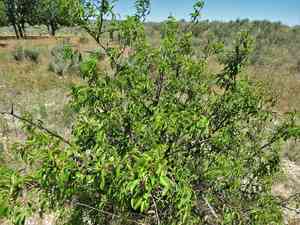
For chickasaw plum, the arrival of warmer temperatures in early to mid-spring is ideal for relocation, allowing roots to settle prior to summer. Select bright, adequately drained locations and handle the root structure with care to foster successful integration.
What Preparations are Needed Before Transplanting Chickasaw Plum?
What is the Ideal Time for Transplanting Chickasaw Plum?
Early spring, as nature awakens, is perfect for relocating chickasaw plum. Moving it during this period capitalizes on the upcoming growth surge, ensuring chickasaw plum roots establish well. Embrace the warmer days by transplanting chickasaw plum then, and you'll give it a strong start; the mild weather reduces transplant shock, fostering vigorous growth and abundant yields. Every scoop of soil around chickasaw plum in this season promises robust health, as the gentle climate and increasing light support its development.
How Much Space Should You Leave Between Chickasaw Plum Plants?
For chickasaw plum, it's best to position each plant 6-10 feet (1.8-3 meters) apart. Your plants will thrive with ample room to expand, allowing their roots to develop without competing for moisture or nutrients!
What is the Best Soil Mix for Chickasaw Plum Transplanting?
To provide your chickasaw plum with the optimal beginning, prepare the soil by incorporating well-drained, sandy loam, enriched with a phosphorus-rich base fertilizer. This will aid in the rapid establishment of the plant's root system.
Where Should You Relocate Your Chickasaw Plum?
Place your chickasaw plum in an area that receives full sunlight. An east- or south-facing location would be ideal. Remember, approximately six hours of direct sun daily will help your plant flourish!
What Equipments Should You Prepare Before Transplantation Chickasaw Plum?
Gardening Gloves
To safeguard your hands from dirt and potential scrapes from the plant.
Spade or Shovel
To excavate the chickasaw plum from its original spot and prepare the new planting site.
Gardening Trowel
To make minor adjustments within the new hole.
Watering Can
To hydrate the plant both prior to and following transplantation.
Mulch
To assist in retaining soil moisture and deterring weed growth around the transplanted plant.
Stakes and Plant Ties
If chickasaw plum is a large tree, stakes and plant ties might be necessary to stabilize the plant in windy conditions.
How Do You Remove Chickasaw Plum from the Soil?
How Do You Remove Chickasaw Plum from the Soil?
From Ground: Start by watering the chickasaw plum plant to moisten the soil, which will minimize root damage and facilitate removal. Carefully dig around the plant with a spade, ensuring you're far enough away to avoid directly hitting the root system but close enough to keep it intact. Gradually work the spade beneath the root ball, then gently and slowly lift the plant from its initial location.From Pot: First, adequately water the chickasaw plum plant. Turn the pot on its side, grip the plant at its base, then gently pull and twist to extract it. If the plant is stuck, you may need to tap the pot's rim on a firm surface to loosen it.From Seedling Tray: Water the seedlings and allow them a few minutes to absorb. Then, using a gardening trowel, carefully pry the seedlings out, aiming to retain as much soil around the roots as possible. Be sure to handle the seedlings by their leaves, not their stems.
Step-by-Step Guide for Transplanting Chickasaw Plum
Preparation
Ensure your new planting site is ready for your chickasaw plum. The hole should be twice the width of your plant's root ball.
Positioning
Place your chickasaw plum plant into the hole, making sure it sits at the same depth as it was in its original spot. This step is vital as planting too deep can lead to root diseases.
Installation
Backfill the hole with the original soil, gently firming it around the roots. Try to avoid damaging the root ball during this process.
Watering
Once your chickasaw plum plant is in its new location, water it thoroughly to ensure the roots make good contact with the soil and to help the soil settle.
Mulching
Apply a layer of mulch around the base of your chickasaw plum, which will shield the roots from extreme temperatures and keep the soil moist. Ensure the mulch isn't touching the trunk as this could cause rot.
How Do You Care For Chickasaw Plum After Transplanting?
Watering
Consistent watering is crucial for a successful transplant. Water the chickasaw plum thoroughly and regularly for the initial few weeks, ensuring the soil stays moist but not waterlogged.
Weed Control
Periodically inspect the area surrounding the chickasaw plum and remove any weeds. They compete with the transplanted plant for water and nutrients from the soil.
Protection
Initially, the chickasaw plum might require a bit of extra attention. If the transplant is large or tall, consider using plant stakes and ties for additional support and protection against wind and heavy rain.
Observing
Monitor the chickasaw plum for signs of stress such as browning leaves or wilting. These can indicate issues like over-watering or disease.
Troubleshooting Common Issues with Chickasaw Plum Transplantation.
When is the best time to transplant chickasaw plum?
The optimal period for transplanting chickasaw plum is during S1-S2. The plant can adapt more effectively to its new surroundings in these seasons.
How much space should I leave between each chickasaw plum when transplanting?
Allow approximately 6-10 feet (1.8-3 meters) of space between each chickasaw plum. This spacing ensures each plant has sufficient room to grow and spread.
What's the correct way to prepare the soil for chickasaw plum transplanting?
For chickasaw plum, enrich the planting hole with compost or organic matter. This enhances the soil's fertility and drainage. A pH of around 6 is ideal.
What to do if the chickasaw plum isn't growing in the new location?
Chickasaw plum might be experiencing transplant shock. Water it consistently, provide shade, and refrain from fertilizing until it shows signs of new growth.
Should I water chickasaw plum immediately after transplanting? How much?
Absolutely! Water chickasaw plum thoroughly after transplanting. Water until the soil is saturated to a depth of 10 inches (25 cm). This encourages root development.
What if the newly transplanted chickasaw plum starts wilting?
Wilting could indicate either insufficient or excessive watering. Check the soil's moisture level. If it's too dry or too wet, adjust your watering schedule accordingly.
Should I prune chickasaw plum before or after transplanting?
Pruning prior to transplanting is recommended. It helps minimize the shock of relocation and promotes new growth.
What's the recommended transplanting depth for chickasaw plum?
The transplant hole should be twice as wide and the same depth as the root ball. Ensure chickasaw plum's top roots are level with or slightly below the surface.
How to deal with pest infestation after transplanting chickasaw plum?
Regularly inspect for pests. If an infestation is discovered, use organic pesticides or appropriate horticultural oils. Remember, a healthy plant is better able to resist pests.
Why is my transplanted chickasaw plum producing fewer flowers?
After transplantation, chickasaw plum may prioritize energy towards root establishment rather than blooming. Ensure optimal watering, sun exposure, and patience to observe improved flowering.



