How to Transplant Common selfheal?
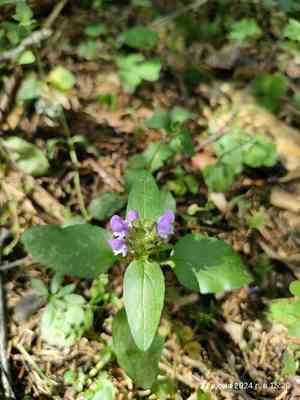
The most favorable time for transplanting common selfheal is during the vigorous period following winter's end, capitalizing on strong development. Select locations that receive full sunlight to partial shade, making sure the soil is consistently damp and drains effectively. A helpful tip: careful handling aids in the successful anchoring of roots.
What Preparations are Needed Before Transplanting Common Selfheal?
What is the Ideal Time for Transplanting Common Selfheal?
The perfect period for relocating common selfheal is the spring season. This time offers gentle temperatures and ample rainfall, promoting strong root development. Utilizing this window enhances survival rates, ensuring a smooth transition and vigorous growth.
How Much Space Should You Leave Between Common Selfheal Plants?
When moving common selfheal, ensure a gap of approximately 0.5-1 feet (15-30 cm) between each plant. This provides sufficient room for common selfheal to expand and thrive without competing for resources.
What is the Best Soil Mix for Common Selfheal Transplanting?
For optimal development, common selfheal prefers well-draining soil. Prior to transplanting, enrich the soil with organic material. Use compost or aged manure as your primary fertilizer, fostering robust roots and healthy growth for common selfheal.
Where Should You Relocate Your Common Selfheal?
Choose a spot in your garden where common selfheal can receive full sun to partial shade. However, in particularly hot climates, provide some afternoon shade to prevent common selfheal from wilting.
What Equipments Should You Prepare Before Transplantation Common Selfheal?
Shovel or Garden Spade
For digging into the earth during plant extraction and hole preparation;
Gardening Gloves
To safeguard your hands while handling soil and common selfheal;
Pruners or Scissors
To trim damaged roots, which will encourage healthier growth of your common selfheal plant;
Watering Can or Garden Hose
To moisten the soil and hydrate common selfheal after relocation;
Wheelbarrow or Tarp
To move common selfheal plant from its original spot to its new location.
How Do You Remove Common Selfheal from the Soil?
How Do You Remove Common Selfheal from the Soil?
From ground: Ensure the soil around your common selfheal plant is watered a day before moving to soften the earth. Use a shovel or garden spade to dig a wide trench around the common selfheal, maintaining a careful distance to avoid root damage. Keeping the root ball intact, slide your spade beneath to lift the plant from the soil.From pot: Water your common selfheal thoroughly a day before the transplant, then gently ease it from the pot. Be careful not to pull too hard on the stem to prevent harm.From seedling tray: If common selfheal is still a seedling, press the bottom of each cell to push the small plant upwards, ensuring the root ball remains whole. Hold onto the leaves gently, not the stem, when removing it.
Step-by-Step Guide for Transplanting Common Selfheal
Root Trimming
First, inspect the soil and roots. Trim any damaged or excessively long roots with clean, sharp gardening scissors or pruners. This promotes the development of new, healthy roots.
Hole Preparation
Dig a hole at the new site, ideally twice as wide but no deeper than the root ball. A wide hole allows roots ample space to spread and grow.
Positioning
Place common selfheal in the hole, ensuring it's planted at the same depth it was growing in its original spot. Fill halfway with soil and water lightly to help eliminate any air pockets.
Completing the Process
Fill in the remaining hole, firming the soil around common selfheal but avoiding over-compaction as this can hinder water absorption by the roots. Water the plant thoroughly.
Monitoring
Observe common selfheal over the next few days, watering as needed, and shielding it from intense midday sun to reduce stress and aid its establishment in the new area.
How Do You Care For Common Selfheal After Transplanting?
Watering
Water common selfheal consistently after transplanting, especially during the initial weeks, so the plant can quickly establish new roots in its new environment. However, avoid excessive watering to prevent root rot.
Pruning
If you observe any wilting or dead leaves on the common selfheal, prune them back to encourage fresh, healthier growth.
Monitoring
Watch for any indications of disease or pests. Transplants are typically more vulnerable to stress and illnesses, so early detection is crucial to preventing severe harm to your common selfheal plant.
Troubleshooting Common Issues with Common Selfheal Transplantation.
What's the best time of year to transplant common selfheal?
The ideal season to transplant common selfheal is from early spring to early summer. This period offers the most favorable conditions for the plant to root and establish quickly.
What is the ideal spacing when planting common selfheal?
Each common selfheal plant should have a gap of approximately 0.5-1 feet (15-30 cm) between them. This ensures sufficient room for optimal growth and prevents overcrowding.
How deep should I plant common selfheal during transplantation?
Excavate a hole as deep as the root ball of your common selfheal. Keep the top level of the root ball even with the soil surface. This aids in proper root development.
How frequently should common selfheal be watered after transplantation?
Ensure you water common selfheal thoroughly immediately after transplantation. Afterward, maintain moderate watering, about once a week, unless weather conditions necessitate more frequent hydration.
Should I add any fertilizers when transplanting common selfheal?
Common selfheal does not require much fertilizer. However, incorporating well-composted organic matter into the planting hole can benefit root establishment and long-term growth.
Is it necessary to prune common selfheal when transplanting?
Pruning is generally not essential before transplanting common selfheal. However, if the plant has any dead or damaged foliage, it can be removed to enhance growth.
How will I know if my transplanted common selfheal is not thriving?
Signs of struggle in your common selfheal can include wilting, discoloration, stunted growth, and leaf drop. These may indicate issues such as water stress, pests, or disease.
Can common selfheal be transplanted in a pot?
Yes, common selfheal can adapt well to container cultivation. Ensure the pot has adequate drainage holes and is large enough to accommodate its growth.
How can I reduce transplant shock in common selfheal?
Ensure to water the plant sufficiently and keep it in a less sunny area for a week or two. Gradual adaptation to its new environment would lessen transplant shock.
How soon will common selfheal fully establish after transplantation?
Typically, common selfheal takes about 3-4 weeks to establish after transplantation, during which it may show some signs of stress. It should recover with proper care.



