How to Transplant Rough cinquefoil?
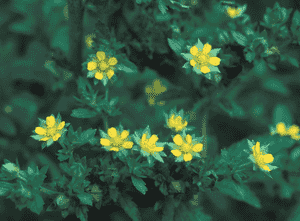
For an excellent beginning for rough cinquefoil, choose a beneficial relocation during the revitalizing phase of mid to late spring. Pick a location with good drainage and abundant sunshine, and guarantee careful handling to foster vigorous development.
What Preparations are Needed Before Transplanting Rough Cinquefoil?
What is the Ideal Time for Transplanting Rough Cinquefoil?
The optimal period for moving rough cinquefoil is during the vigorous growth of mid to late spring. This timing allows rough cinquefoil to establish roots in the mild temperatures and increased moisture of the season. Relocating in this phase ensures the plants have ample time to adjust before the stress of summer heat or potential frosts. The favorable climate offers a nurturing environment for rough cinquefoil to thrive post-transplant, making the effort rewarding as you watch rough cinquefoil flourish.
How Much Space Should You Leave Between Rough Cinquefoil Plants?
For each rough cinquefoil plant, allow a distance of approximately 1 to 2 feet (30-60 cm) apart. This spacing provides sufficient room for development and minimizes competition for nutrients and water.
What is the Best Soil Mix for Rough Cinquefoil Transplanting?
Prepare the garden with well-draining, loamy soil. Before transferring, enrich the soil with a balanced slow-release fertilizer. This will ensure your rough cinquefoil has a rich foundation to grow in!
Where Should You Relocate Your Rough Cinquefoil?
When selecting a site to transplant your rough cinquefoil, choose a sunny location. However, it can also withstand partial shade. Just remember, the more sunlight it receives, the better it will develop.
What Equipments Should You Prepare Before Transplantation Rough Cinquefoil?
Gardening gloves
To safeguard your hands while handling soil and plants.
Shovel or spade
To excavate the hole in the ground for relocating the rough cinquefoil plant. A high-quality, robust one is recommended.
Trowel
To carefully extract the plant from its original spot without harming the roots.
Watering Can
To hydrate the plant before removal and after replanting.
Garden pruners
To trim the rough cinquefoil plant if necessary. Pruning can encourage new growth and help maintain plant vitality.
How Do You Remove Rough Cinquefoil from the Soil?
How Do You Remove Rough Cinquefoil from the Soil?
From Ground: First, ensure the rough cinquefoil plant is adequately hydrated. This can be done by watering the plant a day prior to the actual removal process. With your trowel or shovel, dig a wide trench around the plant, being careful not to sever the root ball. Once a substantial trench is dug, reach beneath the root ball and gently lift the plant.From Pot: Begin by thoroughly watering the pot so the roots are well-moistened. Turn the pot sideways while keeping your hand over the soil, with the rough cinquefoil plantâs stem positioned between your fingers. Lightly tap on the sides and bottom of the pot to loosen the plant.From Seedling Tray: Water the tray so the soil is loose and damp. Holding the rough cinquefoil plant by its leaves, not the stem, gently lift the plant and use a dislodging tool, if needed, to loosen the soil around the root.
Step-by-Step Guide for Transplanting Rough Cinquefoil
Hydrating the rough cinquefoil
Water the plant thoroughly the day before the transplanting process. This will lessen transplant shock and aid the plant in adjusting.
Hole Preparation
Dig a hole that is twice as wide and equal in depth to the root ball of the rough cinquefoil plant.
Transplanting
Gently place the plant into the hole, ensuring itâs planted at the same depth as it was in its initial location. Replace the soil around the plant, firming it gently with your hands.
Watering
After transplanting, provide the rough cinquefoil with a generous amount of water. This will help the plant settle in its new location and keep the roots hydrated.
Monitor Growth
Keep a close watch on the rough cinquefoil plant for the first few weeks, looking for any potential signs of transplant shock such as wilting or yellowing leaves.
How Do You Care For Rough Cinquefoil After Transplanting?
Monitoring
Continuously check the rough cinquefoil plant for indications of stress, such as browning or yellowing leaves. These may suggest that the plant is not adapting well to the new location.
Watering
Ensure you are adequately watering the plant. Typically, a thorough watering immediately after transplanting and then regular watering in the initial few weeks will help the rough cinquefoil settle in its new environment.
Pruning
Do not neglect pruning as the plant develops. Pruning not only maintains size but also stimulates stronger growth and improved health. With rough cinquefoil, pruning spent flowers will encourage additional blooming.
Troubleshooting Common Issues with Rough Cinquefoil Transplantation.
What's the best time of year to transplant rough cinquefoil?
The ideal times are during late spring to early summer (S2-S3). It allows rough cinquefoil time to establish before colder months.
What should be the ideal distance between the rough cinquefoil plants during transplanting?
It's best to space each rough cinquefoil approximately 1-2 feet (30.5-61 cm) apart. This proper spacing promotes healthy growth and air circulation.
How do I prepare the soil before transplanting rough cinquefoil?
Ensure the soil is well-draining. Loosen it using a garden fork, and add some compost to boost fertility, ensuring healthier growth.
What's the ideal depth to plant rough cinquefoil during transplantation?
Plant rough cinquefoil at the same depth it was growing in its previous location. This prevents stem rot and other problems.
How much water does rough cinquefoil need after transplanting?
Rough cinquefoil should be watered thoroughly right after transplanting. Afterward, maintain consistent but not excessive watering as too much could lead to root rot.
Should I prune rough cinquefoil during transplantation?
No, rough cinquefoil really doesn't require pruning at transplantation. If needed for size control, prune after it has fully established in its new spot.
What type of sunlight does rough cinquefoil require after transplanting?
Rough cinquefoil prefers full sun, but it can tolerate partial shade. Make sure the transplant location meets these lighting requirements.
What if the leaves of rough cinquefoil turn yellow after transplanting?
Yellow leaves can indicate overwatering or nutrient deficiency. Test soil moisture levels, and consider using an organic fertilizer to replenish nutrients.
What's the best way to ensure rough cinquefoil survival during colder months after transplanting?
Mulching around the base of rough cinquefoil can protect it from harsh winter temperatures. However, avoid piling mulch against the stem to prevent rot.
How to handle pests after transplanting rough cinquefoil?
If pests appear, use an organic insecticide. In most cases, maintaining good plant health and hygiene is the best defense against pests.



