How to Transplant Elephant bush?
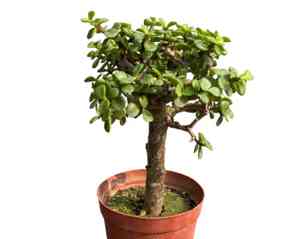
The ideal period for relocating elephant bush is from mid-spring through late-spring, or mid-autumn through late-autumn, enabling it to settle under advantageous circumstances. Select a bright spot with soil that drains effectively, and remember to thoroughly hydrate it following the move, guaranteeing a smooth adjustment.
What Preparations are Necessary Before Relocating Elephant Bush?
When is the Best Period for Moving Elephant Bush?
The optimal time to move elephant bush is from mid-spring to late-spring or mid-fall to late-fall. This allows the plant to develop strong roots, avoid summer heat stress, and flourish in your garden.
How Much Space Should Be Allotted Between Elephant Bush Plants?
When relocating elephant bush, plan to position them approximately 6-8 feet (1.8-2.4 meters) apart. This ensures ample room for their growth and spread.
What is the Optimal Soil Blend for Elephant Bush Relocation?
For elephant bush, utilize soil that drains effectively, possessing a sandy, loamy consistency. Before moving, incorporate a slow-release, balanced fertilizer (e.g., 10-10-10) to give the plant a strong start.
Where Should You Replant Your Elephant Bush?
Choose a spot to replant elephant bush that receives full sun to partial shade, ideally around 6-8 hours of sunlight daily. This will aid in their robust and healthy development!
What Tools Should You Prepare Before Relocating Elephant Bush?
Gardening Gloves
To safeguard your hands while handling soil and the plant.
Shovel or Spade
To excavate a hole at the new site and carefully extract the root ball from its original spot.
Hand Trowel
Useful for digging smaller holes and removing earth during the relocation process.
Pruning Shears
To trim any damaged or lifeless branches prior to moving.
Watering Can or Hose
To hydrate the elephant bush plant before and after its relocation.
Garden Fork
To blend compost or other organic material into the planting hole.
Measuring Tape
To guarantee proper spacing between plants.
Mulch
To aid in retaining soil moisture and preventing weed growth around the newly relocated elephant bush.
How Do You Extract Elephant Bush from the Ground?
How Do You Extract Elephant Bush from the Ground?
- From Ground:First, water the elephant bush plant to moisten the soil. Then, dig a wide trench around the plant using a shovel or spade, ensuring the plant's root ball remains intact. Carefully work the spade under the root ball to lift the elephant bush from its original location.- From Pot:Water the elephant bush plant and gently tap the rim of the pot against a firm surface to loosen the soil. Carefully invert the pot while supporting the plant and root ball with your hands. Gently slide the plant out of the pot, keeping the root ball intact.- From Seedling Tray:Water the elephant bush seedlings and use a hand trowel or similar tool to carefully lift the seedling along with a clump of surrounding soil to preserve the roots.
Step-by-Step Guide for Relocating Elephant Bush
Excavating the Hole
Dig a hole in the ground at least twice the width of the root ball and slightly deeper. Use a garden fork to gently loosen the soil at the bottom and sides of the hole.
Preparing the Soil
Mix some compost or other organic matter into the soil that was removed from the hole. This will help improve soil structure and provide nutrients for the elephant bush plant.
Positioning the Plant
Place the elephant bush plant into the hole, making sure it is straight and at the same depth as it was in its original location. Avoid planting too deep or too shallow.
Filling the Hole
Backfill the hole with the prepared soil mixture, lightly firming the soil around the root ball as you go. Ensure there are no air pockets around the roots.
Watering
Water the elephant bush plant thoroughly, allowing the water to soak deep into the soil. This will help establish good root-to-soil contact and prevent transplant shock.
Mulching
Apply a layer of mulch around the elephant bush, keeping it about an inch away from the plant stem. This will help to conserve soil moisture and suppress weed growth.
How Do You Care For Elephant Bush After Relocation?
Watering
Maintain consistent soil moisture for the initial weeks after relocation to help the elephant bush establish strong roots. Avoid overwatering or allowing the soil to become too dry during this crucial period.
Pruning
Remove any damaged or dead branches that may have occurred during the relocation process. This will help the plant focus its energy on new growth.
Monitoring
Keep an eye out for any signs of relocation shock, such as leaf drop or wilting. If this occurs, provide extra water and support as needed until the plant recovers.
Fertilizing
Wait at least a month before applying any fertilizer to the newly relocated elephant bush. This allows the root system to establish without being overstimulated by nutrients.
Pest Control
Monitor the elephant bush for any pests or diseases that may take advantage of the plant's vulnerability after relocation. Address any issues as soon as possible with appropriate treatments.
Addressing Common Issues with Elephant Bush Relocation.
When is the optimal time to relocate elephant bush?
The ideal time to relocate elephant bush is from mid to late spring, or mid to late fall.
What is the ideal spacing for relocating elephant bush?
Space the elephant bush about 6-8 feet (1.8-2.4 meters) apart for optimal growth.
How should I prepare the soil before relocating elephant bush?
Ensure the soil is well-draining, slightly acidic to neutral, and amended with organic matter.
How deep should I plant elephant bush?
Plant elephant bush at the same depth as its current container, being careful not to bury the stem.
How much water is needed when relocating elephant bush?
Water elephant bush thoroughly during relocation, and then water regularly until it's well-established.
How should I choose a location for relocating elephant bush?
Select a location with full sun or partial shade, and where elephant bush has plenty of room to grow.
Do I need to prune elephant bush before relocating?
Lightly prune elephant bush before relocating, removing any dead, damaged, or overcrowded branches.
How do I minimize relocation shock for elephant bush?
Relocate elephant bush on a cloudy, cool day and water well. Avoid relocating during extreme temperatures.
What care should be taken after relocating elephant bush?
Monitor elephant bush closely, water regularly, keep weeds under control, and watch for any signs of stress.
Can I relocate elephant bush if it's not the ideal season?
It's possible, but relocating elephant bush in the ideal season will increase the chance of successful growth.



