How to Transplant European aspen?
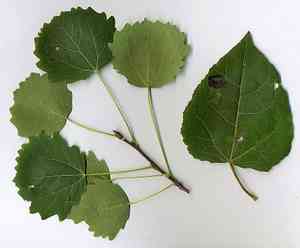
The ideal period for relocating european aspen is during the initial phase of spring, a time when the plant flourishes. Select a brightly illuminated spot, ideally featuring soil with good drainage. Ensure the root mass remains hydrated throughout the transplanting process and carefully disentangle the roots if necessary.
What Preparations are Needed Before Transplanting European Aspen?
What is the Ideal Time for Transplanting European Aspen?
The most favorable period to move your european aspen is during the early spring. This crucial time allows the plant to establish its root system prior to summer's arrival. Relocating european aspen at this point ensures more robust growth and improved root development for a vibrant bloom in the upcoming warm season. Providing european aspen with this timely change not only boosts its botanical health but also enhances its visual appeal. Remember, for european aspen, preparation is the foundation of success!
How Much Space Should You Leave Between European Aspen Plants?
For european aspen plants, aim to position them approximately 15-20 ft (4.5-6 meters) apart. This will provide them with sufficient room to grow and maintain their health.
What is the Best Soil Mix for European Aspen Transplanting?
Select well-draining soil with a slightly acidic pH (5.5-7.5). Enriching the soil with a generous amount of organic compost and a balanced, slow-release fertilizer will greatly benefit european aspen.
Where Should You Relocate Your European Aspen?
Find a spot that receives full sun to partial shade. European aspen thrives in ample sunlight and will flourish under these conditions. Ensure the planting area gets at least 6 hours of sun daily.
What Equipments Should You Prepare Before Transplantation European Aspen?
Gardening Gloves
To safeguard your hands while handling the soil and european aspen.
Shovel or Spade
To excavate the hole for european aspen's new location and to extract the plant from its original spot.
Hand Trowel
To assist in gently separating roots and digging smaller sections if required.
Pruning Shears
To trim the plantâs roots and branches, promoting the healthiest regrowth.
Watering Can
To hydrate the plant both before and after the transplant.
A Wheelbarrow or Similar Container
To transport the european aspen from its initial position to the new one without causing damage to the plant.
How Do You Remove European Aspen from the Soil?
How Do You Remove European Aspen from the Soil?
From Ground: Begin by watering the european aspen plant to moisten the soil. This will facilitate easier removal and prevent root damage. Dig a wide trench around the plant using a shovel or spade, ensuring the plant's root ball remains intact. Carefully work the spade beneath the root ball to lift the plant from its original location.From a Pot: Before extracting a european aspen plant from its container, water it thoroughly to make the soil damp and more manageable. Turn the pot on its side, then gently tap and squeeze the sides to loosen the soil. Carefully slide the plant out, ensuring the root ball stays intact.From a Seedling Tray: Water the european aspen to loosen the soil. Gently hold the stem base and lift the seedling. If it's too snug, you might need a small tool, such as a spoon or a fork, to carefully loosen the soil.
Step-by-Step Guide for Transplanting European Aspen
Preparation
Submerge the root ball of the european aspen in a bucket of water for a few minutes before transplanting. This will ensure the roots are well-hydrated.
Digging the Hole
Excavate a hole that is two to three times the width and equal in depth to the european aspen plant's root ball. This will provide ample space for the roots to spread and develop.
Placing the Plant
Position the european aspen in the hole, ensuring it is level with the ground. Its roots should extend outwards without circling or overcrowding the hole. Backfill the hole, gently firming the soil around the root ball.
Watering
Water the european aspen generously, but avoid creating a 'pool'. This will help settle the soil and eliminate any air pockets.
Checking for Settling
Over the next day, observe the european aspen for any noticeable settling. If needed, add more soil to maintain the correct depth.
How Do You Care For European Aspen After Transplanting?
Watering
A consistent water supply is crucial for the european aspen after transplantation. In the initial weeks, closely monitor the soil moisture, ensuring it stays damp but not waterlogged.
Mulching
Apply a layer of organic mulch around the european aspen to retain soil moisture and suppress weeds. Ensure the mulch does not touch the base of the stem to prevent rot.
Pruning
After transplanting, it may be necessary to prune the european aspen if it exhibits signs of stress. However, avoid heavy pruning as the plant requires its leaves for photosynthesis and healthy recovery.
Monitoring Growth & Health
Keep a close watch on the european aspen to ensure it is adapting well to its new location. Yellowing leaves or a failure to thrive could indicate the plant is unhappy in its new spot or has experienced transplant shock.
Troubleshooting Common Issues with European Aspen Transplantation.
What is the optimal time for transplanting european aspen?
Early spring, when the plant is still dormant, is the ideal time to transplant european aspen. This allows it the entire growing season to establish roots.
How much space should I leave between european aspen plants?
European aspen trees require ample room to grow. Ideally, each tree should have approximately 15-20 ft (4.5-6 meters) of space around it for optimal growth.
How should I prepare the soil for european aspen transplanting?
Ensure the soil has a pH between 5.5 and 7.5 and drains well. Amend with compost or aged manure for additional nutrients, if necessary.
How deep should the hole be when transplanting european aspen?
Your planting hole should be twice as wide and the same depth as the root ball of the european aspen. This will aid the roots in spreading.
What kind of sunlight does transplanted european aspen require?
European aspen thrives in full sunlight. Ensure your transplanted european aspen receives at least 6 hours of direct sunlight daily for healthy growth and development.
What if the leaves of my european aspen turn yellow after transplanting?
Yellowing leaves may indicate a watering issue or shock from transplanting. Make sure the european aspen is watered consistently, but avoid waterlogging.
Any specific watering instructions for european aspen after transplanting?
Initial watering should be deep and thorough. Subsequently, water european aspen regularly but allow the soil to dry slightly between watering sessions to prevent overwatering.
How can I decrease transplant shock in my european aspen?
Water thoroughly after transplanting, maintain a consistent watering schedule, and avoid moving the plant again soon. Applying a root stimulator can also be beneficial.
When will my transplanted european aspen start growing?
Transplanted european aspen should begin showing new growth within a few weeks after transplant. Proper care and ideal growing conditions are essential for its prompt recovery.
Do I need to prune my european aspen after transplanting?
It's not strictly necessary, but light pruning of any damaged or broken branches can encourage healthier growth and reduce stress on the newly transplanted european aspen.



