How to Transplant Simon's poplar?
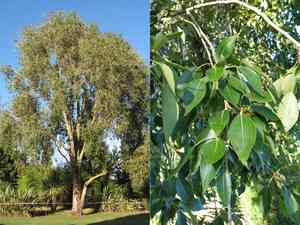
The optimal period for transplanting simon's poplar is during the noticeable revitalization of early to mid-spring. Select a bright spot featuring soil that drains effectively. Should the location be susceptible to strong winds, furnishing a wind barrier will aid simon's poplar in becoming established.
What Preparations are Needed Before Transplanting Simon's Poplar?
What is the Ideal Time for Transplanting Simon's Poplar?
The best time to move simon's poplar is in early to mid-spring. This period aligns with its natural growth, promoting strong root development in warmer soil. Transplanting simon's poplar then allows a full growing season for adaptation and reduces shock. Spring rains also naturally support the newly placed simon's poplar, encouraging healthy growth before summer heat.
How Much Space Should You Leave Between Simon's Poplar Plants?
When relocating simon's poplar, ensure each plant is spaced approximately 5-6 feet (1.5-1.8 meters) apart. This provides ample room for growth and prevents competition for nutrients and water.
What is the Best Soil Mix for Simon's Poplar Transplanting?
Prepare the soil for simon's poplar using a loam or sandy mix. It must drain well to prevent waterlogged roots. For initial feeding, a slow-release, high-nitrogen fertilizer can help simon's poplar thrive.
Where Should You Relocate Your Simon's Poplar?
Simon's poplar thrives in sunlight, so choose a garden spot with full sun exposure if possible. However, it can also tolerate partial shade. More sun means more energy for growth!
What Equipments Should You Prepare Before Transplantation Simon's Poplar?
Gardening Gloves
These will safeguard your hands while handling soil and plants.
Garden Shovel
Used for digging holes and extracting the plant from its original spot.
Pruning Shears
To trim simon's poplar roots if needed during the transplanting process.
Watering Can
Sufficient watering is required before and after the transplant.
Wheelbarrow or Tarp
For moving the excavated simon's poplar from its initial location to the new site.
Measuring Tape
To ensure proper spacing between simon's poplar and other vegetation.
How Do You Remove Simon's Poplar from the Soil?
How Do You Remove Simon's Poplar from the Soil?
From Ground: Begin by watering the simon's poplar to moisten the soil around its roots, making excavation easier. Then, use a shovel to dig a wide trench around the plant, ensuring the root ball remains undisturbed. Carefully work the spade beneath the root ball to lift the simon's poplar and its root system from its original spot. From Pot: Before removal, thoroughly water the simon's poplar to facilitate easier extraction. Tilt the pot sideways and gently ease the plant out, being careful not to harm the root ball. From Seedling Tray: Water the seedlings and carefully extract the simon's poplar and its roots from its cell. Be cautious not to damage the delicate roots or stem during removal.
Step-by-Step Guide for Transplanting Simon's Poplar
Preparation
Ready the new site by digging a hole twice as wide and as deep as the root ball of simon's poplar. Keep the excavated soil nearby for later use.
Root Inspection
Examine the roots of the simon's poplar. Trim any damaged or excessively long roots with clean pruning shears.
Placement
Position the simon's poplar in the center of the prepared hole, ensuring it's not planted deeper than it was in its original location.
Backfill the Hole
Fill the hole around simon's poplar with the reserved soil, gently firming it with your hands to remove air pockets.
Water
Thoroughly water the simon's poplar after transplanting to aid in root establishment.
How Do You Care For Simon's Poplar After Transplanting?
Mulching
Apply a layer of organic mulch around the base of simon's poplar to help retain moisture and suppress weeds. Avoid contact with the trunk to prevent rot.
Monitoring
Regularly check the simon's poplar for signs of stress such as wilting or yellowing leaves. Watch for pests or diseases and treat promptly.
Pruning
As simon's poplar grows, prune to shape it and maintain its health. Remove dead or damaged branches to direct energy to new growth.
Troubleshooting Common Issues with Simon's Poplar Transplantation.
What's the best time of year to transplant simon's poplar?
The ideal period for transplanting simon's poplar is during the S1-S2 timeframe or the growing season when temperatures are moderate.
How much space should be left between simon's poplar plants after transplanting?
Ensure a comfortable distance of at least 5-6 feet (1.5-1.8 meters) between simon's poplar plants. This allows each to flourish without overcrowding.
What type of soil is most suitable for simon's poplar?
Generally, simon's poplar prefers slightly acidic, loamy, and well-draining soil for optimal growth. Avoid overly dense soil to allow for good root expansion.
What are steps to prepare the hole for transplanting simon's poplar?
Begin by digging a hole twice as wide and as deep as the root ball of simon's poplar. Check for and remove any buried debris to prevent root obstruction.
What to do if the simon's poplar plant wilts after transplantation?
Wilting can be due to transplant shock. Ensure you water the simon's poplar immediately after transplanting, keep its soil moist, and consider using a root stimulator.
What is the recommended watering practice for transplanting simon's poplar?
For the first few weeks post-transplantation, deeply water simon's poplar. However, avoid overwatering that could saturate the soil and lead to root rot.
Should I prune simon's poplar before or after transplantation?
Pruning simon's poplar before transplantation is recommended. This helps the plant focus its energy on developing new roots rather than maintaining excess foliage.
How deep should I plant simon's poplar during transplantation?
When transplanting simon's poplar, it should be planted at the same depth it was in its original pot. Planting too deep or too shallow can hinder its growth.
Is it necessary to fertilize simon's poplar post-transplantation?
Fertilization isn't immediately needed after transplanting. Wait about a month, then apply a mild, slow-release fertilizer to give simon's poplar an extra boost.
Is mulching necessary after transplanting simon's poplar plant?
Yes, applying a 2-3 inch (5-7.6 cm) layer of mulch after transplanting simon's poplar can help retain moisture and prevent extreme temperature fluctuations around the roots.



