How to Transplant Swamp cottonwood?
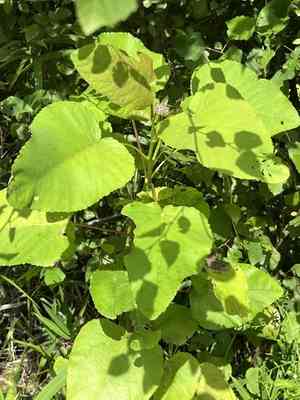
Swamp cottonwood flourishes when relocated from early to mid-spring, enabling its root system to settle prior to summer. Ideal spots feature damp, adequately draining earth with partial sunlight. Verify the new environment replicates its native setting for peak development.
Preparations Required Before Relocating Swamp Cottonwood
Optimal Period for Relocating Swamp Cottonwood
The best time to move swamp cottonwood is from early to mid-spring. During this period, the ground warms, aiding root development before summer's heat. Transplanting within this timeframe ensures it benefits from damp, mild conditions that promote strong growth and minimize relocation stress.
Recommended Spacing Between Swamp Cottonwood Plants
When relocating swamp cottonwood, ensure each plant is spaced 20-30 feet (6-9 meters) apart to provide ample room for growth and flourishing.
Ideal Soil Mixture for Swamp Cottonwood Relocation
For swamp cottonwood, select a soil that drains well and is rich in organic material. Before moving, incorporate a perennial-appropriate base fertilizer to give your plants a healthy start.
Choosing a New Location for Your Swamp Cottonwood
Swamp cottonwood needs full sun to partial shade for optimal growth. Select a spot that receives at least 6 hours of sunlight daily for the best outcomes.
Equipment Needed Before Relocating Swamp Cottonwood
Gardening Gloves
To safeguard your hands while handling soil and the plant.
Shovel or Spade
For excavating around and lifting the plant from its initial spot.
Trowel
Useful for working in confined areas and for planting in the new site.
Watering Can or Hose
To hydrate the plant before and after its relocation.
Wheelbarrow
To move the plant to its new position if necessary.
Stakes and Ties
To provide support for the plant in its new location if required.
Mulch
To aid in moisture retention and soil temperature regulation post-relocation.
Method for Extracting Swamp Cottonwood from the Soil
Method for Extracting Swamp Cottonwood from the Soil
From Ground: First, hydrate the swamp cottonwood plant to moisten the soil. Next, excavate a broad trench around the plant using a shovel or spade, ensuring the plant's root ball remains intact. Carefully maneuver the spade beneath the root ball to lift the plant from its original spot.From Pot: Thoroughly water the swamp cottonwood plant. Gently tap the pot's sides to loosen the soil. Tilt the pot sideways and carefully slide the plant out, holding it by the root ball. Avoid pulling the plant by its stem.From Seedling Tray: Water the seedlings prior to removal. Use a trowel or your fingers to carefully lift each seedling from the tray, ensuring as much soil as possible remains around the root ball.
Step-by-Step Guide for Relocating Swamp Cottonwood
Site Preparation
Prepare the new site by digging a hole that is twice as wide and as deep as the swamp cottonwood's root ball.
Soil Preparation
Loosen the soil surrounding the hole and incorporate any necessary amendments based on soil test results.
Placement
Position the swamp cottonwood into the hole, ensuring it sits at the same depth as it was in its previous location. Fill the hole halfway with soil and gently press down to remove air pockets.
Watering
Thoroughly water the plant to help the soil settle around the roots.
Refilling
Continue filling the hole with soil, gently pressing it down. Water again once the hole is completely filled.
Mulching
Apply a layer of mulch around the base of the swamp cottonwood to aid in moisture retention and soil temperature regulation.
Post-Relocation Care for Swamp Cottonwood
Watering
Keep the soil around the swamp cottonwood consistently damp, but not waterlogged, for the initial weeks after relocation to promote strong root development.
Staking
If the swamp cottonwood appears unstable, use stakes and ties to support it until it has re-established itself.
Monitoring
Regularly inspect the plant for signs of stress or disease and address any issues promptly.
Resolving Common Issues with Swamp Cottonwood Relocation.
When is the optimal time to relocate swamp cottonwood?
The best period to move swamp cottonwood is from early to mid-spring for superior outcomes.
What should be the depth of the planting hole?
The planting hole should be approximately 18 inches (45 cm) deep and wide enough to comfortably accommodate the root ball.
What is the recommended spacing between swamp cottonwood plants?
Maintain a distance of 20-30 feet (6-9 meters) between swamp cottonwood plants to ensure adequate growth.
Should I water swamp cottonwood immediately after relocation?
Yes, thoroughly water swamp cottonwood right after moving it to help the roots settle in the new spot.
How much sunlight does swamp cottonwood require?
Swamp cottonwood thrives best in full sun but can also endure partial shade.
Which soil type is ideal for relocating swamp cottonwood?
Swamp cottonwood prefers moist, well-drained soil that is rich in organic matter.
Should I use fertilizer when relocating swamp cottonwood?
Gently mix compost or a slow-release fertilizer into the soil to provide nutrients for swamp cottonwood.
How to prevent transplant shock in swamp cottonwood?
Avoid root damage, water thoroughly, and consider using a root stimulant to lessen relocation shock in swamp cottonwood.
Should I prune swamp cottonwood before relocating?
Trim any damaged or excessively long roots, and remove dead or weak branches to help swamp cottonwood focus on root establishment.
How frequently should I water swamp cottonwood after relocation?
Water swamp cottonwood regularly, keeping the soil consistently moist but not saturated for the initial few weeks.



