How to Transplant Eastern cottonwood?
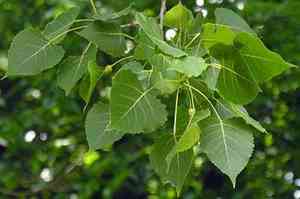
The optimal period for transplanting eastern cottonwood is during the lively phase of mid to late spring, which facilitates strong root development throughout the growing period. Select a sunny, damp spot and carefully promote root expansion to achieve the most successful transplantation.
What Preparations are Needed Before Transplanting Eastern Cottonwood?
What is the Ideal Time for Transplanting Eastern Cottonwood?
The best time to move eastern cottonwood is during the transition from mid to late spring. This period offers mild temperatures and sufficient moisture, which are perfect for root development. Relocating eastern cottonwood then encourages strong growth, as the moderate climate eases its adjustment and boosts root formation. Remember, this timing, as nature awakens, gives your eastern cottonwood the best chance to flourish, taking advantage of the upcoming growing season. Thoughtful timing when moving eastern cottonwood ensures a vibrant, healthy addition to your landscape.
How Much Space Should You Leave Between Eastern Cottonwood Plants?
Ensure each eastern cottonwood has a transplanting area of approximately 20-30 feet (6-9 meters). This wide spacing is vital for its proper development. Therefore, select a location with ample room for it to thrive.
What is the Best Soil Mix for Eastern Cottonwood Transplanting?
Prepare soil that is loamy and drains well. Ideally, rich, alluvial soil is most suitable for eastern cottonwood. Incorporate a foundational fertilizer, such as compost, to enrich the soil's nutrients before planting. This will stimulate its growth.
Where Should You Relocate Your Eastern Cottonwood?
Choose a spot for eastern cottonwood that receives full sunlight, as this is crucial for its development. Make sure the planting area is open, with no major obstructions to sunlight. A sunny location guarantees a healthy plant!
What Equipments Should You Prepare Before Transplantation Eastern Cottonwood?
Gardening Gloves
To safeguard your hands while handling soil and eastern cottonwood.
Spade or Shovel
To assist in excavating the eastern cottonwood from its original spot and creating a new hole in the chosen planting area.
Wheelbarrow or Large Container
To move the eastern cottonwood from its initial position to the new site with minimal disruption.
Garden Hose or Watering Can
To provide water to the eastern cottonwood before and after the transplanting process.
Organic Mulch
To shield the eastern cottonwood from harsh weather, retain moisture, and inhibit weed growth.
Stakes and Support Ropes
To help the eastern cottonwood maintain its upright position during its establishment phase after transplanting.
How Do You Remove Eastern Cottonwood from the Soil?
How Do You Remove Eastern Cottonwood from the Soil?
From Ground: Begin by thoroughly watering the eastern cottonwood a day before transplanting to reduce plant stress. Next, use your spade or shovel to dig a trench around the plant, being careful to dig wide and deep enough to avoid disturbing most of the root system. Gently lift the plant from the hole, ensuring the root ball remains intact. If the eastern cottonwood is large, a wheelbarrow or large container can help move the uprooted plant.From a Pot: Water the eastern cottonwood thoroughly. Invert the pot and gently tap the bottom until the plant slides out. Be careful not to damage the root ball. If it's stuck, try loosening the soil from the pot's edge with a dull knife.From Seedling Tray: Carefully hold the eastern cottonwood seedling by its root ball and gently lift it out. Avoid pulling on the stems or leaves, as this can injure the plant.
Step-by-Step Guide for Transplanting Eastern Cottonwood
Preparation
Clear the new planting site of any weeds or debris. Prepare a hole for the eastern cottonwood that is twice as wide and just as deep as its root ball. This allows the roots to expand easily in their new environment.
Placement
Position the eastern cottonwood in the hole, ensuring the top of the root ball is level with the ground surface to prevent root decay and stem rot. Arrange the roots in the hole to keep them from becoming matted or twisted.
Backfilling
Refill the hole with native soil, gently compacting it around the base of the eastern cottonwood to eliminate any air pockets.
Watering
Generously water the eastern cottonwood once it's planted to help settle the soil. Allow the water to absorb before continuing the process.
Mulching
Apply a layer of organic mulch around the eastern cottonwood, keeping it a few inches away from the trunk to prevent diseases.
Staking
If the eastern cottonwood struggles to stand upright, stake the plant until it is secure.
How Do You Care For Eastern Cottonwood After Transplanting?
Water Management
Water the eastern cottonwood consistently for the initial few weeks, then adjust based on the plant's requirements and local weather. Overwatering can lead to root rot, while underwatering can make it susceptible to diseases and pest infestations.
Stake management
Regularly check the stake to ensure it remains firm for the first few months until the eastern cottonwood is established. Avoid leaving it in place for too long, as this can foster dependent growth.
Check Inputs
Monitor for any indications of pests or diseases. Address them promptly, ideally using organic methods, to prevent significant harm to the eastern cottonwood. Synthetic chemicals should be a last resort, as they can harm beneficial insects and the soil ecosystem.
Pruning
Trim any affected or dead branches to encourage healthy growth. This also helps maintain shape, improve air circulation, and reduce pest infections.
Troubleshooting Common Issues with Eastern Cottonwood Transplantation.
What's the best time to transplant eastern cottonwood?
The ideal period to relocate eastern cottonwood is during its mid to late growth phase, typically from late spring to early summer.
How much space should there be between each eastern cottonwood when transplanting?
For optimal growth, maintain approximately 20-30 feet (6-9 meters) between each eastern cottonwood during transplantation. This will provide ample room for them to flourish!
What's the optimal depth for planting eastern cottonwood?
Eastern cottonwood should be planted at the same depth it was originally growing, with the top of the rootball level with the soil surface.
Should eastern cottonwood be watered right after transplantation?
Yes, it's essential! Water eastern cottonwood thoroughly immediately after transplanting to help the roots settle and reduce transplant shock.
What kind of soil does eastern cottonwood prefer when transplanting?
Eastern cottonwood thrives in various soil types, but good drainage at the chosen site is crucial. Ideally, select a location with loamy or sandy soil.
Why are the leaves of my transplanted eastern cottonwood turning yellow?
Yellow leaves might indicate that your eastern cottonwood is overwatered or has poor drainage. Ensure your plant's soil drains well and avoid excessive watering.
What can I do if my transplanted eastern cottonwood is not growing well?
Ensure that eastern cottonwood receives sufficient sunlight, is planted with proper spacing, and is watered regularly but not excessively. Also, verify that the soil has good drainage.
Does eastern cottonwood need any extra care during winters after transplantation?
Eastern cottonwood is quite resilient! However, to protect against potential damage from harsh winter conditions, apply a layer of mulch around its base.
What should I do if my transplanted eastern cottonwood is showing signs of disease or pest attacks?
Reduce irrigation to lower disease risk. If pests are present, use a mild insecticide. For severe cases, consult a local nursery or arborist.
How soon can I expect growth on my transplanted eastern cottonwood?
With proper care, your transplanted eastern cottonwood should exhibit new growth within a few weeks after transplantation, especially during its active growing period.



