How to Transplant White poplar?
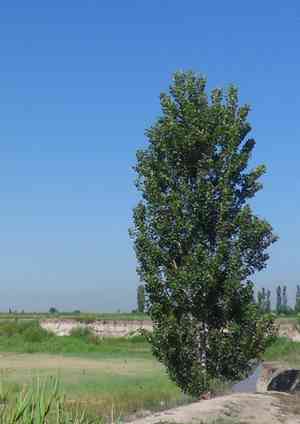
Relocating white poplar yields positive results when performed in early spring or late winter, since the plant endures reduced strain during its inactive period. Verify that your selected site features soil with good drainage and exposure to partial sunlight. Exercise care when managing the root system to guarantee a flourishing transplant.
What Preparations are Needed Before Transplanting White Poplar?
What is the Ideal Time for Transplanting White Poplar?
Optimally, aim to move white poplar during the mild breezes of early spring or the crisp coolness from early to late winter. These periods offer the perfect blend of temperature and moisture for white poplar to quickly and effectively establish its root system. This timing also supports vigorous development, allowing white poplar to adapt and thrive in its new location effortlessly. Believe me, this method works wonders for your perennials, and you'll soon enjoy a vibrant display of white poplar!
How Much Space Should You Leave Between White Poplar Plants?
When relocating white poplar, ensure ample room for growth by spacing them 20-30 feet (6-9 meters) apart. This will help guarantee they have sufficient area to flourish and prevent overcrowding.
What is the Best Soil Mix for White Poplar Transplanting?
For white poplar, select well-draining loamy soil with a pH ranging from slightly acidic to neutral (5.5 to 7.0). Prior to transplanting, enrich the soil with a balanced slow-release fertilizer, such as 10-10-10, to supply essential nutrients.
Where Should You Relocate Your White Poplar?
Choose a site for white poplar that receives abundant sunlight, ideally 6 to 8 hours daily. This will encourage robust growth and a strong root system. However, white poplar can also endure partial shade if necessary.
What Equipments Should You Prepare Before Transplantation White Poplar?
Gardening Gloves
To safeguard your hands while handling soil and plants.
Shovel or Spade
For excavating and extracting the plant from its original spot, as well as preparing the new planting site.
Trowel
For refining the planting hole and backfilling earth around the plant.
Pruning Shears or Scissors
For trimming any damaged roots or shoots.
Watering Can or Hose
For hydrating the plant before and after its relocation.
Mulch
To aid in moisture retention and inhibit weed proliferation.
Stakes and String (optional)
To offer support if the white poplar plant requires it.
How Do You Remove White Poplar from the Soil?
How Do You Remove White Poplar from the Soil?
From Ground: First, moisten the white poplar plant to dampen the soil. Then, excavate a wide trench around the plant using a shovel or spade, ensuring the plant's root ball remains intact. Carefully maneuver the spade beneath the root ball to lift the plant from its initial position.From Pot: Thoroughly water the white poplar plant before beginning. Tilt the pot sideways and gently slide the plant out, preserving as much of the root ball as possible. If the plant is root-bound, carefully loosen the root ball with your fingers.From Seedling Tray: Slightly moisten the soil and gently extract the white poplar seedling from its cell by lifting it from its base. Be sure to handle it by the leaves rather than the stem to prevent harm.
Step-by-Step Guide for Transplanting White Poplar
Determine the Best Time
Relocate your white poplar plant during early spring or autumn, avoiding the warmest periods of summer.
Prepare the Plant
Trim any damaged roots or shoots using pruning shears or scissors.
Dig the Planting Hole
Excavate a hole twice as wide as the root ball and equally deep, using a shovel or spade.
Position the Plant
Place the white poplar plant into the hole, ensuring it sits at the same depth as it was in its original location.
Backfill the Soil
Use a trowel to backfill the soil around the plant, gently firming it into place.
Water Accordingly
Thoroughly water the white poplar plant to settle the soil and ensure good root-to-soil contact.
Add Mulch
Spread a layer of mulch around the base of the plant, but avoid piling it against the trunk.
Provide Support (if needed)
Install stakes and use string to gently secure the plant if it requires additional support to remain upright.
How Do You Care For White Poplar After Transplanting?
Monitoring
Observe your newly relocated white poplar plant for indications of stress or illness, such as wilting, yellowing, or dropped leaves.
Watering
Keep the soil around the white poplar consistently moist, but not waterlogged, for the initial weeks after transplanting to aid in establishing strong roots.
Fertilizing
Wait at least one month after transplanting before applying any fertilizer to allow the plant time to acclimate to its new surroundings.
Pruning
As your white poplar plant matures, prune it to maintain its form and enhance air circulation within the canopy, removing any dead or damaged branches as necessary.
Protection
Safeguard your white poplar plant from pests and diseases by regularly inspecting it and addressing any issues promptly.
Troubleshooting Common Issues with White Poplar Transplantation.
When should I relocate white poplar for best results?
Transplant white poplar during the transition to spring or at the beginning of the winter season until its end to promote successful root establishment.
How much distance should be kept between white poplar when transplanting?
Allow an ample space of approximately 20-30 feet (6-9 meters). This provides white poplar enough room to grow without competing for nutrients and water.
Why are white poplar's leaves turning yellow after transplanting?
This may signal stress or a deficiency in nutrients like iron and magnesium. It could also be a result of excessive watering. Review the watering frequency and soil conditions.
What to do if white poplar is not showing any growth after transplantation?
Verify the site location. White poplar needs abundant sunlight. Also, ensure you are watering it sufficiently, avoiding both overwatering and underwatering.
Why is white poplar wilting after transplantation?
Wilting can be a symptom of transplant shock. Keep the soil moist, maintain a mulch layer around the base to conserve moisture, and avoid intense sunlight.
What type of soil should I use for transplanting white poplar?
White poplar adapts to various soil types; however, it thrives in well-draining, fertile soils. Ensure the pH is slightly acidic to neutral for optimal growth.
Why is white poplar showing stunted growth after transplanting?
This might be due to root damage during transplanting, or it could be receiving insufficient water or nutrients. Consider a gentle application of a balanced fertilizer.
Should I prune white poplar before transplanting?
Yes, it is beneficial to prune white poplar before transplanting. This helps the plant direct its energy towards developing strong roots.
How deep should the hole be for transplanting white poplar?
Excavate a hole that is twice as wide and as deep as the root ball. This allows the roots to spread out easily and helps the plant establish more quickly.
Should I water white poplar immediately after transplanting?
Absolutely! Watering white poplar right after transplanting helps settle the soil around the roots and revitalizes the plant, alleviating stress caused by the relocation process.



