How to Transplant Pickerelweed?
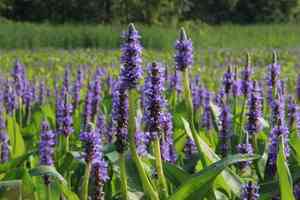
Transplanting pickerelweed is most effective in temperate periods, specifically from early to late spring, to facilitate robust root development. To achieve peak growth, select a site that receives ample sunlight to some shade and features consistently damp earth. Carefully separate the rootball during the transplanting process, if necessary, to encourage improved root integration.
What Preparations are Needed Before Transplanting Pickerelweed?
What is the Ideal Time for Transplanting Pickerelweed?
The optimal period to move pickerelweed is typically from early spring through late spring. Relocating pickerelweed during this timeframe allows sufficient time for root development before summer's heat intensifies, which is crucial for its survival. We suggest that precise timing of your transplantation process will help attract various butterflies and hummingbirds, enhancing your garden's visual appeal!
How Much Space Should You Leave Between Pickerelweed Plants?
A good starting point for transplanting pickerelweed is to space them 12-18 inches (30-45 cm) apart, which provides ample air circulation and enough room for your plants to expand and flourish.
What is the Best Soil Mix for Pickerelweed Transplanting?
For relocating pickerelweed, aim for well-draining soil rich in organic matter. Prepare a quality base fertilizer by incorporating well-rotted manure or compost into the soil to support your plant's development.
Where Should You Relocate Your Pickerelweed?
Select a location with full sun to partial shade for your pickerelweed. It will thrive with 6-8 hours of daily sunlight, but some light shade won't harm it. Ensure it has access to consistent moisture, as pickerelweed prefers wet conditions.
What Equipments Should You Prepare Before Transplantation Pickerelweed?
Gardening Gloves
To safeguard your hands while handling the plant and soil.
Shovel or Spade
Required for digging holes and extracting the plant from its initial spot.
Gardening fork
To gently loosen the soil around the roots without causing damage.
Watering Can
To hydrate the plant both prior to and following transplantation.
Mulch
To assist in retaining soil moisture after relocation.
Bypass Pruners
To trim any damaged or tangled roots before moving the plant.
How Do You Remove Pickerelweed from the Soil?
How Do You Remove Pickerelweed from the Soil?
From Ground: Start by watering your pickerelweed plant to soften the surrounding earth. Afterward, carefully work a spade or shovel around the plant's base. Ensure you dig a wide enough circle to encompass the plant's entire root system. Then, gently work the shovel beneath the root ball and lift the plant so its roots remain intact.From Pot: If your pickerelweed plant is in a container, you'll want to water it, then tilt the pot sideways and gently tap it to ease the plant out. It should slide out with the soil and roots undisturbed.From Seedling Tray: For young plants, water first, then carefully use a small trowel or your fingers to lift the seedling by its leaves or root ball. Avoid pulling directly on the stem.
Step-by-Step Guide for Transplanting Pickerelweed
Preparation
Begin by preparing the new site for your pickerelweed plant. Dig a hole twice as wide and equally as deep as the root ball. Roughen the sides of the hole with your shovel to facilitate root expansion into the surrounding soil.
Placement
Next, gently position the pickerelweed plant into the hole. The top of the root ball should be level with or just slightly below the surface of the surrounding ground.
Planting
Fill the hole with the excavated soil, gently firming it around the plant's base. Avoid compacting it too tightly as this can hinder root expansion into the new soil.
Watering
Water the plant generously immediately after transplanting. Subsequently, water according to the plant's natural requirements.
Mulching
Applying a layer of mulch around the plant can help conserve moisture and regulate soil temperature.
How Do You Care For Pickerelweed After Transplanting?
Monitoring
Keep a close watch on your pickerelweed plant, especially during the initial couple of weeks. Look for any indications of transplant shock, which may appear as wilted leaves or a lack of new growth.
Pruning
Trim any dead or dying leaves to allow the plant to direct its energy towards root development.
Seasonal Care
Be mindful of the pickerelweed's seasonal requirements, such as whether it needs different care in various seasons, like reduced watering during cooler months.
Patience
It takes time for the pickerelweed plant to establish itself in a new location. Therefore, patience is essential.
Troubleshooting Common Issues with Pickerelweed Transplantation.
When is the ideal time to transplant pickerelweed?
To give pickerelweed the best start, plan your transplant from early spring to late spring.
What is the optimal distance to leave between pickerelweed plants during transplanting?
To ensure pickerelweed has ample room to thrive, it should be spaced 12-18 inches (30-45 cm) apart.
What if the leaves of pickerelweed start to wilt after transplanting?
Don't worry, it could be transplant shock. Ensure it receives adequate water and the plant will soon recover.
Why is my transplanted pickerelweed not showing any growth?
Pickerelweed might need some time to establish itself post-transplant. Monitor watering, and be patient.
What type of soil does pickerelweed prefer during transplanting?
Pickerelweed prefers soil with good drainage. However, it can also grow quite well in clay or sandy types.
Do I need to mulch around pickerelweed after transplanting?
Yes, mulching can help keep the soil moisturized and cool, promoting greater survival and root growth of pickerelweed.
Does pickerelweed need any special care after being transplanted?
Pickerelweed is robust and usually doesn't require special care post-transplant; regular watering and sunlight should suffice.
Can I transplant pickerelweed in full sun?
While pickerelweed can tolerate full sun, it's better to transplant it in a location with partial shade to protect it from intense heat.
How deep should I plant pickerelweed during the transplant?
Ensure pickerelweed is planted as deep as the root ball and definitely not deeper to avoid root rot.
Should I water pickerelweed immediately after transplanting?
Absolutely! Watering pickerelweed immediately after transplanting is crucial. It helps to settle the soil and establish the plant's roots.



