How to Transplant Smooth solomon's-seal?
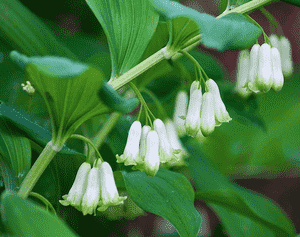
The most favorable period for relocating smooth solomon's-seal is during the awakening of spring, from mid-season to its conclusion. To ensure thriving, select a location with ample shade and soil that is consistently damp but also drains effectively. Careful manipulation is crucial for safeguarding the fragile root system.
Preparations Required Before Relocating Smooth Solomon's-seal
Optimal Period for Moving Smooth Solomon's-seal?
The best time to move smooth solomon's-seal is from mid to late spring. This season offers mild temperatures and sufficient rainfall, aiding root development. Transplanting smooth solomon's-seal during this timeframe ensures a smooth transition for the plant, encouraging robust growth and allowing it to flourish in the upcoming summer. Enjoy the vibrancy smooth solomon's-seal adds to your garden by selecting this prime moment, a strategy that not only boosts survival rates but also contributes to a lush foliage display.
Recommended Spacing Between Smooth Solomon's-seal Plants?
When planting smooth solomon's-seal, ensure ample room for expansion. Ideally, allow each plant approximately 1-2 feet (30-60 cm) of space. This prevents root congestion, promoting healthy and vigorous plants.
Best Soil Blend for Smooth Solomon's-seal Relocation?
Prepare a soil that drains well, ideally rich in organic material, for smooth solomon's-seal. For an added nutrient boost, you can incorporate a balanced base fertilizer during soil preparation. This supplies essential nourishment for the plant's development.
Where to Replant Your Smooth Solomon's-seal?
Select a spot that receives partial to full shade for your smooth solomon's-seal. These plants thrive without direct sunlight, so choose an area in your garden that is shielded from the sun for most of the day to ensure optimal growth.
Equipment Needed Before Transplanting Smooth Solomon's-seal
Gardening Gloves
To safeguard your hands during digging and replanting, preventing blisters and abrasions.
Shovel or Spade
An essential tool for excavating your smooth solomon's-seal from its original spot, and for preparing the new planting site.
Gardening Trowel
For precise digging around the root ball and making minor adjustments.
Watering Can or Hose
Necessary for moistening the soil both before and after the transplanting process.
Wheelbarrow
Useful for moving the smooth solomon's-seal plant to its new location, especially if the plant is large or the distance is considerable.
Garden Knife or Pruning Shears
These are required for trimming any dead or damaged roots.
How to Extract Smooth Solomon's-seal from the Soil?
How to Extract Smooth Solomon's-seal from the Soil?
From Ground: Begin by watering the smooth solomon's-seal plant to make the surrounding soil moist and easier to work with. Use your shovel to dig a trench around the plant's perimeter, ensuring a significant distance from the main stem to avoid root damage. Carefully get beneath the root ball with your shovel or spade and gently lift the plant. From a Pot: Remove the smooth solomon's-seal plant from its container by turning it sideways, holding it gently by the stems or leaves, and tapping the bottom of the pot until the plant slides out. Be careful not to pull the plant, as this could harm the root system. From Seedling Tray: If your smooth solomon's-seal plant is a seedling, use a gardening trowel or a spoon to lift it from the seedling tray. Scoop up the entire soil block the seedling is in, taking care not to touch or damage the stem or root system.
Step-by-Step Instructions for Transplanting Smooth Solomon's-seal
Preparation
Before planting your smooth solomon's-seal, ensure it has been thoroughly watered in its original container or location. Next, prepare the new planting hole; it should be twice as wide as the rootball and of the same depth.
Placement
Carefully position the smooth solomon's-seal in the hole, with the top of the rootball level with the ground surface. Ensure the plant is standing upright.
Backfilling
Refill the hole with the original soil or a mixture of original soil and compost, gently firming it around the rootball.
Watering
After planting, water thoroughly and add more soil if a depression forms.
Mulching
Spread mulch around the base of the plant to help retain moisture and suppress weeds. Avoid mulch touching the plant stem.
Post-Transplant Care for Smooth Solomon's-seal
Watering
Maintain consistent soil moisture, avoiding sogginess, to help smooth solomon's-seal establish strong roots. Regularly check soil moisture as abrupt changes can stress the plant.
Pruning
Remove any dead or damaged foliage to allow the plant to direct its energy towards growth. Avoid extensive pruning in the first year after transplanting.
Protection
Depending on your area, smooth solomon's-seal may require safeguarding from extreme weather or wildlife. Use protective covers for frost and netting or fencing for animals if necessary.
Pest and Disease Inspection
Regularly examine smooth solomon's-seal for indications of pests or diseases. Address any issues promptly to prevent spread and further harm.
Troubleshooting Common Issues with Smooth Solomon's-seal Transplantation.
What's the best season to transplant smooth solomon's-seal?
Relocate smooth solomon's-seal during the cool weather between late winter to early spring(S2-S3). This allows it time to establish before summer heat.
What's the ideal spacing for transplanting smooth solomon's-seal?
It's best to give smooth solomon's-seal plenty of space to grow. Aim for a gap of around 1-2 feet (30-60cm) between each plant.
How do I prepare the soil for smooth solomon's-seal transplantation?
Prior to transplanting, enrich the soil with compost or organic matter. Smooth solomon's-seal prefers moist, well-drained soil with a neutral pH.
How deep should I plant smooth solomon's-seal when transplanting?
When transplanting smooth solomon's-seal, place it at the same depth it was growing previously. Also, ensure the rhizomes are well covered with soil.
How should I water smooth solomon's-seal post-transplant?
Water smooth solomon's-seal thoroughly right after transplanting. Keep the soil consistently moist but not waterlogged. Regular watering promotes root growth.
Does smooth solomon's-seal need any specific care right after transplanting?
After transplanting, keep smooth solomon's-seal under partial shade and maintain regular watering. This will help your plant to adjust to its new environment.
Why are my transplanted smooth solomon's-seal plants wilting?
Wilting can be caused by insufficient water, sunburn, or transplant shock. Ensure correct watering and proper shade to help smooth solomon's-seal revive.
What should I do if the transplanted smooth solomon's-seal doesn't show new growth?
Patience is key with smooth solomon's-seal. If itâs not showing new growth, verify its care requirements â adequate water, partial shade, nutrient-rich soil.
How important is mulching for smooth solomon's-seal after transplanting?
Mulching is beneficial as it maintains soil moisture and regulates temperature. Apply 2-3 inches (5-7cm) of organic mulch around smooth solomon's-seal after transplanting.
Should I fertilize smooth solomon's-seal after transplanting?
Yes, apply a slow-release, balanced fertilizer to enhance root growth and help smooth solomon's-seal acclimatize in its new spot. Don't over-fertilize though!



