How to Transplant Oldman's cap?
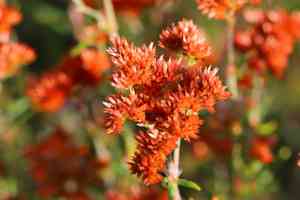
The optimal period for relocating oldman's cap spans from mid-spring through late spring, promoting vitality and strong development. Place oldman's cap in locations featuring good drainage and abundant sunlight. Careful attention during this phase ensures a flourishing start.
What Preparations are Needed Before Transplanting Oldman's Cap?
What is the Ideal Time for Transplanting Oldman's Cap?
The optimal period for relocating oldman's cap spans from mid-spring to its conclusion. This timeframe offers mild weather, avoiding summer's intensity, and allows ample opportunity for oldman's cap to firmly establish its root system before high temperatures arrive. Transplanting during this phase promotes vigorous development, as the soil is sufficiently warm for root growth, yet ambient temperatures are moderate, minimizing plant stress. This careful timing results in a healthier, more resilient oldman's cap.
How Much Space Should You Leave Between Oldman's Cap Plants?
When moving oldman's cap, aim for a separation of approximately 6-8 inches (15-20 cm). This provides adequate room for growth and ensures proper air circulation, setting them up for a thriving existence in your garden.
What is the Best Soil Mix for Oldman's Cap Transplanting?
For oldman's cap, prepare a site with soil that drains effectively. Incorporate a balanced, slow-release fertilizer as a base to supply essential nutrients. Sandy loam soils are excellent as they retain moisture without waterlogging the roots.
Where Should You Relocate Your Oldman's Cap?
Select a sunny spot for your oldman's cap, where they can receive at least 6 hours of direct sunlight daily. The correct location will encourage robust growth and blooming, ensuring your gardening efforts are a bright success!
What Equipments Should You Prepare Before Transplantation Oldman's Cap?
Gardening Gloves
To safeguard your hands while handling soil and plants.
Spade or Shovel
To excavate the plant from its current spot and to dig the new hole in the ground.
Garden Trowel
For smaller digging tasks, such as refining the hole or extracting a plant from a container.
Watering Can or Hose
To hydrate the plant before and after its relocation.
Pruning Shears
To trim any dead or excessive foliage prior to transplanting.
Wheelbarrow or Plant Tray
For moving the oldman's cap if it is large or to transport the excavated soil.
Transplanting Fertilizer (optional)
A slow-release formula can be used to assist in root establishment.
How Do You Remove Oldman's Cap from the Soil?
How Do You Remove Oldman's Cap from the Soil?
From Ground: First, hydrate the oldman's cap to moisten the soil. Use a spade or shovel to dig a wide circle around the plant, being careful not to harm the root ball. Gently slide the tool under the root ball and lift it from its original position.From Pot: Water the oldman's cap to dampen the soil, making plant removal easier. Tilt the pot sideways and tap the bottom, or gently press the sides to loosen the root ball. Slowly ease the plant out while supporting the stem and root ball.From Seedling Tray: Water the tray to ensure the soil is moist. Use a garden trowel or your hand to carefully separate individual seedlings, taking care not to damage their roots. Gently remove a seedling with its surrounding soil.
Step-by-Step Guide for Transplanting Oldman's Cap
Transplant Timing
Choose a cool, cloudy day to minimize transplant shock and allow oldman's cap to adapt to its new surroundings.
Preparing the New Site
Dig a hole in the ground that is twice the width and the same depth as the oldman's cap's root ball.
Transplant Hole Enrichment (optional)
If advised, mix some transplanting fertilizer with the soil at the bottom of the hole to encourage root development.
Plant Positioning
Place the oldman's cap in the center of the hole. Ensure it is positioned at the same depth as it was previously growing.
Backfilling
Gently refill the hole with the excavated soil, lightly firming it down to prevent air pockets around the root ball.
Initial Watering
Thoroughly water the oldman's cap, ensuring the root zone is completely moistened to settle the soil and eliminate air pockets.
Staking (if necessary)
If the oldman's cap is tall or unstable, insert a stake into the ground and loosely secure the plant to it for support.
Mulching
Apply mulch around the base of the oldman's cap to retain moisture and regulate soil temperature, keeping it away from the immediate stem area.
How Do You Care For Oldman's Cap After Transplanting?
Regular Watering
Especially during the initial weeks, ensure the oldman's cap receives sufficient water to aid root establishment.
Observation
Monitor for signs of transplant stress, such as drooping or yellowing leaves, and address them promptly.
Weed Management
Keep the area around the oldman's cap clear of weeds that can compete for nutrients and water.
Protection
If the oldman's cap is delicate, consider providing shade or wind protection during the initial adjustment period.
Troubleshooting Common Issues with Oldman's Cap Transplantation.
When's the best time to transplant oldman's cap?
The optimal period for relocating oldman's cap is from mid-spring to late spring.
How do I space oldman's cap when transplanting?
Maintain a distance of 6-8 inches (15-20 cm) between oldman's cap plants to allow them to thrive.
What soil conditions favor oldman's cap after transplanting?
For a healthy oldman's cap, use well-draining soil with some organic matter to promote strong growth.
Why are my transplanted oldman's cap wilting?
Wilting may indicate dehydration or shock. Ensure careful handling during transplanting and consistent, moderate watering.
Should I prune oldman's cap before transplanting?
Only a light trim! Remove only damaged or excessively long roots to keep oldman's cap vigorous.
How much sun does oldman's cap need after transplanting?
Place oldman's cap in a sunny location where it can receive sunlight for most of the day.
What's the ideal depth for transplanting oldman's cap?
Dig a suitable hole for oldman's cap, approximately as deep as its root ball, so it feels comfortable.
How do I water oldman's cap post-transplant?
Provide oldman's cap with gentle watering, keeping the soil moist but not waterlogged, to help it settle into its new home.
Why isn't oldman's cap growing well after transplant?
Check for common causes: overly compacted roots, poor soil quality, or insufficient sunlight, and adjust with gentle care.
Can I fertilize oldman's cap after transplanting?
A small amount of balanced, slow-release fertilizer can be beneficial for oldman's cap in its new environment.



