How to Transplant Mayapple?
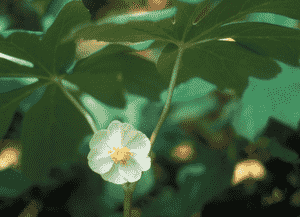
The optimal period for transplanting mayapple occurs in the spring, utilizing the moderate climate of the season to encourage root development. Select a shaded location featuring damp earth. Careful manipulation is crucial to safeguard the fragile rhizomes throughout this operation.
What Preparations are Needed Before Transplanting Mayapple?
What is the Ideal Time for Transplanting Mayapple?
The best period for relocating mayapple is during the garden's spring awakening. Moving mayapple in early Spring strengthens root development before summer heat. Transplanting them at this time ensures smooth adaptation to their new spot, utilizing cool, moist conditions to build strong, resilient root systems. A helpful hint: this strategic timing encourages vigorous regrowth annually, aligning with mayapple's natural cycle for splendid development.
How Much Space Should You Leave Between Mayapple Plants?
First, allow mayapple ample room to expand. Ideally, maintain a clear distance of approximately 2-3 feet (about 60-91 cm) between each plant during relocation. This will enable mayapple to flourish beautifully.
What is the Best Soil Mix for Mayapple Transplanting?
Next, prepare the ground. Mayapple thrives in well-draining soil enriched with organic matter. Incorporate a foundational fertilizer rich in Nitrogen (N), Phosphorus (P), and Potassium (K) to aid mayapple's prosperity.
Where Should You Relocate Your Mayapple?
Finally, select the appropriate site. Mayapple prefers shaded spots, so find an area with partial sun but mostly shade. It may not perform well in direct, all-day sunlight. Best of luck with your gardening!
What Equipments Should You Prepare Before Transplantation Mayapple?
Hand trowel
Essential for digging and relocating, sufficiently compact to maneuver around the mayapple's delicate root system.
Gardening Gloves
To safeguard your hands while handling soil and plants.
Garden Spade
This larger implement will be useful if you're moving mayapple from the ground, as it can manage a bigger root ball.
Watering Can
For gently hydrating the mayapple before and after its relocation.
Pruning Shears
To trim any lifeless or damaged sections of the plant during the transplanting process.
Wheelbarrow
To move the mayapple from its original spot to the new planting location.
How Do You Remove Mayapple from the Soil?
How Do You Remove Mayapple from the Soil?
From Ground: If your mayapple is already established in the ground, water the plant several hours before you plan to move it to moisten the soil and reduce plant stress. Use a garden spade to dig a wide trench around the plant, being careful to avoid root damage. Once the soil around the roots is loosened, gently lift the plant and its root ball from the ground. Inspect the root ball for any signs of disease or distress, and use pruning shears to remove any unhealthy roots.From Pot: If the mayapple is in a container, water it a few hours before transplanting. Then, carefully tip the pot sideways and gently ease the plant and its root ball out. Be cautious not to pull on the plant itself, as this can cause harm. If the plant is difficult to remove, you can lightly tap the bottom of the pot to encourage it.From Seedling Tray: If you have a mayapple seedling, water it before attempting to transplant to loosen the soil. Then, gently loosen the soil around the seedling with a hand trowel and lift it out, preserving as much of the root system and soil as possible.
Step-by-Step Guide for Transplanting Mayapple
Digging
Excavate a hole at the new site that is twice as wide and the same depth as the mayapple's root ball. The broader hole will allow roots to spread and establish in the new spot.
Preparing the Hole
Before placing the mayapple in the hole, break up any compacted soil at the bottom and sides using your hand trowel. This will facilitate root growth.
Planting
Carefully lower the mayapple into the hole, maintaining its original soil line. Backfill the hole with soil, gently firming it around the root ball.
Watering
Water the mayapple generously immediately after transplanting to settle the soil around its roots. This also aids in reducing transplant shock.
Mulching
Apply a layer of mulch around the plant, ensuring it doesn't touch the stem, to help maintain soil moisture and temperature.
How Do You Care For Mayapple After Transplanting?
Supervising
Monitor the mayapple closely for a few days post-transplant. The initial days are critical for the plant's survival as it adapts to its new environment. If the plant shows signs of wilting or transplant shock, it may require more water.
Shielding
For the first few days, it might be beneficial to provide some form of shade cover to protect the mayapple from intense sunlight, which can stress the plant as it tries to establish itself.
Pest & Disease Management
Watch for any pests or diseases that might target your mayapple. If you notice anything concerning, consult a local nursery or extension service for guidance.
Pruning
After transplanting, it's crucial to regularly inspect your mayapple for dead or dying branches or leaves, and promptly remove them. This will keep your plant healthy and vibrant.
Troubleshooting Common Issues with Mayapple Transplantation.
When is the best time to transplant mayapple?
The optimal period for relocating mayapple is from late winter to early spring (S1-S3). Transplanting during these seasons promotes the plant's root establishment.
How much space should be left between mayapple when transplanting?
Provide each mayapple with ample room to grow – ideally, a spacing of about 2-3 feet (0.6 - 0.9 meters) between plants would be perfect.
What's the proper planting depth for mayapple when transplanting?
Be careful not to plant mayapple too deeply. The top of the root ball should be flush with or slightly above the surrounding soil surface.
What kind of soil does mayapple prefer when I transplant?
Mayapple thrives in well-drained, fertile, and humus-rich soil. This allows the plant to establish easily and grow more vigorously.
How do I prepare the transplant hole for mayapple?
For mayapple, dig a hole that is wide and deep enough to accommodate the plant's root ball. Loosen the soil at the bottom of the hole to encourage rooting.
What watering schedule should I follow after transplanting mayapple?
Water the transplanted mayapple thoroughly after placing it in the hole, and continue to water regularly. The soil should remain consistently moist, but not waterlogged.
How should I handle mayapple when removing it for transplant?
Handle mayapple with care to prevent root damage. Dig around the root ball, lift gently, and move it to the prepared hole as quickly as possible.
What light conditions should I consider when transplanting mayapple?
Mayapple prefers shaded or partially shaded areas. Transplant it in a location where it receives ample indirect sunlight for optimal growth.
How can I ensure successful transplant of mayapple?
Ensure mayapple's success by thoroughly preparing the area, properly spacing the plants, and following a suitable watering regimen. Regular monitoring of the plant's health is also important.
Should I prune mayapple before transplanting?
Pruning mayapple before transplanting is not essential, but removing any dead or diseased parts of the plant can encourage healthier growth and reduce stress during transplantation.



