How to Transplant Buddhist pine?
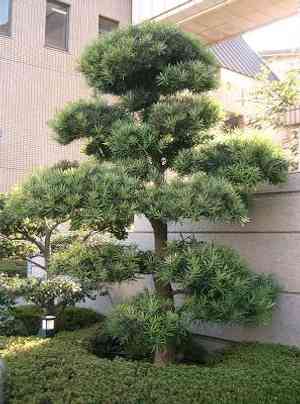
The ideal period for relocating buddhist pine is between late summer and early autumn, when temperatures are more moderate. This evergreen plant flourishes in environments ranging from partial shade to full sunlight. It is crucial to select a location with good drainage to facilitate a successful transplant.
What Preparations are Needed Before Transplanting Buddhist Pine?
What is the Ideal Time for Transplanting Buddhist Pine?
The optimal period for relocating buddhist pine spans from late summer through the latter part of autumn. The moderate temperatures and consistent rainfall during this time create an excellent transplanting environment. These favorable conditions encourage robust root development, making your buddhist pine resilient and prepared for any impending harsh weather. Your timely efforts will be rewarded with lush, impressive growth, enhancing your garden's overall appeal.
How Much Space Should You Leave Between Buddhist Pine Plants?
When transplanting buddhist pine, it's best to allow ample room for the plant to develop. Aim for a spacing of 5-12 feet (1.5-3.7 meters) between them to ensure optimal growth.
What is the Best Soil Mix for Buddhist Pine Transplanting?
Prepare the soil for buddhist pine using a well-draining, loamy mixture with a slightly acidic pH. Incorporate organic matter, such as compost, as a foundational fertilizer to give the plant an excellent start!
Where Should You Relocate Your Buddhist Pine?
The perfect transplanting spot for buddhist pine would receive partial to full sunlight. To ensure its vitality, make sure it gets 4-6 hours of sunlight daily, while shielding it from intense afternoon sun.
What Equipments Should You Prepare Before Transplantation Buddhist Pine?
Gardening Gloves
To safeguard your hands while handling the soil and buddhist pine plant.
Shovel or Spade
For excavating holes and trenches to remove the plant from its original spot and for planting it in its new location.
Pruning Shears
To trim any damaged or undesirable roots.
Wheelbarrow or Gardening Cart
To transport the buddhist pine plant to its new site.
Watering Can or Hose
To hydrate the plant during and after transplantation.
Mulch
To help retain moisture and inhibit weed growth around the buddhist pine plant post-transplanting.
How Do You Remove Buddhist Pine from the Soil?
How Do You Remove Buddhist Pine from the Soil?
From Ground: First, water the buddhist pine plant to moisten the soil. Next, dig a wide trench around the plant using a shovel or spade, ensuring the plant's root ball remains intact. Carefully work the spade beneath the root ball to lift the plant from its original position.From Pot: Water the buddhist pine plant to dampen the soil. Turn the pot on its side and gently tap it to help dislodge the plant from the pot. Grasp the plant near its base and carefully slide it out of the pot, keeping the root ball as intact as possible.From Seedling Tray: Water the buddhist pine seedlings to moisten the soil. Carefully push the seedling out of the tray from the bottom, using your fingers or a small tool to avoid damaging the roots. Gently loosen any compacted soil or tangled roots from the root ball before transplanting.
Step-by-Step Guide for Transplanting Buddhist Pine
Site Selection
Choose a location with adequate sunlight and sufficient space for your buddhist pine plant to reach its mature size.
Digging the Hole
Using a shovel or spade, excavate a hole twice as wide and slightly deeper than the root ball of the buddhist pine plant.
Plant Preparation
Trim any damaged or unwanted roots with pruning shears, and position the plant in the center of the hole at the same depth it was growing in its original spot.
Filling the Hole
Backfill the hole with soil, ensuring the root ball is covered, and gently firm the soil around the plant using your hands or the back of the shovel.
Watering
Thoroughly water the buddhist pine plant to settle the soil and help eliminate air pockets in the root zone.
Mulching
Apply a layer of mulch 2-3 inches thick around the base of the buddhist pine plant, leaving a small gap around the stem to prevent rot.
How Do You Care For Buddhist Pine After Transplanting?
Watering
Keep the soil around the buddhist pine consistently moist, but not waterlogged, for the initial few weeks after transplanting to aid in strong root establishment.
Pruning
During the first year, focus on removing any dead, damaged, or crossing branches to encourage healthy development.
Fertilizing
After the first year, apply a slow-release, balanced fertilizer in early spring to support overall plant vitality.
Pest and Disease Management
Regularly inspect the buddhist pine for indications of pests or diseases. If any issues are detected, address them promptly using appropriate garden-safe treatments.
Support
If necessary, provide support to the buddhist pine by staking it or tying it to help maintain an upright form as it grows.
Troubleshooting Common Issues with Buddhist Pine Transplantation.
What is the best time to transplant buddhist pine?
The ideal period to relocate buddhist pine is from late summer to late fall. This timing allows the plant to establish its root system in its new environment before winter arrives.
How much spacing is required between buddhist pine plants during transplantation?
Each buddhist pine requires ample space for optimal growth. Maintain a distance of approximately 5-12 feet (1.5-3.7 meters) between the plants during transplantation.
What should I do if my transplanted buddhist pine shows signs of wilting?
Wilting can indicate transplant shock. Keep the soil moist but not saturated, and place your buddhist pine in a less sunny location until it recovers.
Why are the leaves of my transplanted buddhist pine turning brown?
Brown leaves might suggest a watering problem. Both overwatering and underwatering can harm buddhist pine. Adjust watering levels and observe.
How deep should I dig the hole for transplanting buddhist pine?
The hole should be twice as wide as the root ball of buddhist pine, and equally as deep. This provides room for roots to spread and grow.
Why should I avoid transplanting buddhist pine in hot, dry conditions?
Transplanting buddhist pine in hot, dry conditions can lead to transplant shock due to dehydration. Always aim for a cooler, more humid environment for transplantation.
What preparations should I make before transplanting buddhist pine?
Before transplanting, prepare buddhist pine's new home. Dig the hole, ensuring the correct depth and width. Water the hole thoroughly before positioning the plant.
How long after transplanting buddhist pine will it start to grow again?
Generally, buddhist pine will take a few weeks to recover from transplant shock. Once settled, it will begin new growth, typically by the next growing season.
Can I use fertilizers immediately after transplanting buddhist pine?
Avoid using fertilizers immediately after transplanting buddhist pine. Wait for a few weeks, allowing the plant to settle, before fertilizing lightly to encourage growth.
Should I prune my buddhist pine before or after transplanting it?
It's often beneficial to prune buddhist pine lightly before transplanting, reducing stress on its root system. However, avoid significant pruning until the plant has recovered.



