How to Transplant Texas bluegrass?
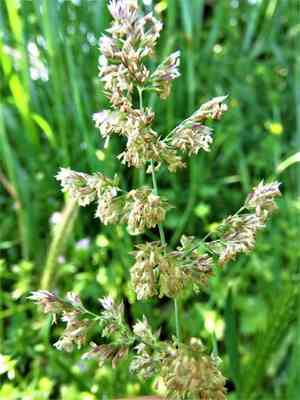
The most favorable period for relocating texas bluegrass is from early to late fall, guaranteeing consistent temperature and humidity. Select a site that receives full sun or partial shade and possesses good drainage to foster robust development and successful rooting.
Necessary Preparations Before Relocating Texas Bluegrass?
Optimal Period for Relocating Texas Bluegrass?
The best time for moving texas bluegrass is from early to late autumn. During this timeframe, ground temperatures remain warm enough to support root development, while cooler air temperatures lessen plant stress. Fall relocation allows texas bluegrass to establish a robust root system prior to winter dormancy, resulting in a more resilient and vigorous plant in spring.
Recommended Spacing Between Texas Bluegrass Plants?
To provide texas bluegrass ample room for growth, position each plant 12-18 inches (30-45 cm) apart. This ensures sufficient space for root expansion and for the plants to flourish without becoming overcrowded.
Ideal Soil Mixture for Texas Bluegrass Relocation?
Prepare well-draining, sandy loam soil enriched with organic compost. Incorporating a balanced base fertilizer, such as a 10-10-10 (N-P-K) blend, will supply essential nutrients for texas bluegrass to develop strong roots and healthy growth.
Where Should You Replant Your Texas Bluegrass?
Select a spot that receives full sun to partial shade. Texas bluegrass thrives best in areas with at least 6 hours of daily sunlight, ensuring it gets adequate light for optimal development.
Equipment to Prepare Before Transplanting Texas Bluegrass?
Gardening Gloves
To safeguard your hands while handling soil and plants.
Hand Trowel
For excavating small holes and loosening earth.
Shovel or Spade
For digging larger holes and trenches.
Watering Can or Hose
To hydrate the plant before and after relocation.
Garden Fork
To gently loosen the soil surrounding the plant's roots.
Bucket
To transport soil or water as required.
Pruners
To trim any damaged roots or foliage.
Mulch
To aid in retaining soil moisture after transplant.
How to Extract Texas Bluegrass from the Soil?
How to Extract Texas Bluegrass from the Soil?
From Ground: First, water the texas bluegrass plant to moisten the soil. Then, dig a wide trench around the plant using a shovel or spade, ensuring the plant's root ball stays intact. Carefully work the spade beneath the root ball to lift the plant from its original spot.From Pot: Water the texas bluegrass plant thoroughly. Gently tilt the pot sideways and tap it to loosen the soil. Carefully slide the plant out while keeping the root ball whole. Use a hand trowel if necessary to assist in removing the plant.From Seedling Tray: Water the seedlings completely. Use a hand trowel or garden fork to gently lift each seedling out, taking care not to harm the delicate roots.
Step-by-Step Guide for Relocating Texas Bluegrass
Prepare the New Location
Dig a hole twice as wide and the same depth as the texas bluegrass's root ball. Make the hole's sides slightly sloped to encourage root expansion.
Remove the Plant
Utilize the aforementioned removal methods to carefully extract the texas bluegrass from its initial position.
Planting
Position the texas bluegrass in the center of the hole, ensuring the top of the root ball is level with the ground surface. Backfill around the root ball with the original soil, pressing down gently to eliminate air pockets.
Watering
Water the plant deeply to help settle the soil around the roots.
Mulching
Apply a layer of mulch around the base of the texas bluegrass plant to help retain moisture and regulate soil temperature.
Post-Transplant Care for Texas Bluegrass?
Watering
Keep the soil around the texas bluegrass consistently moist, but not waterlogged, for the initial few weeks after transplanting to aid in establishing strong roots.
Monitoring
Observe for any indications of transplant shock, such as wilting or yellowing leaves, and provide additional water if required.
Weeding
Maintain the area around the texas bluegrass plant free of weeds to reduce competition for water and nutrients.
Pruning
Trim any damaged or dead leaves to promote new growth and lessen stress on the plant.
Troubleshooting Common Issues with Texas Bluegrass Relocation.
When is the best time to relocate texas bluegrass?
Relocating texas bluegrass is best done from early to late fall for optimal growth.
How far apart should texas bluegrass plants be spaced?
Texas bluegrass should be spaced 12-18 inches (30-45 cm) apart for healthy development.
What type of soil is best for texas bluegrass?
Texas bluegrass thrives in well-draining, loamy soil that is rich in organic matter.
How much water does newly relocated texas bluegrass need?
Water texas bluegrass thoroughly after transplanting and keep the soil consistently moist for the first few weeks.
What to do if texas bluegrass shows signs of transplant shock?
Keep texas bluegrass well-watered and avoid fertilizing until it shows new growth to reduce stress.
Can texas bluegrass be relocated in spring?
Relocating texas bluegrass in spring is possible but less ideal compared to early or late fall.
How to prepare the site for relocating texas bluegrass?
Clear the site of weeds, loosen the soil, and amend it with compost before planting texas bluegrass.
What to do if texas bluegrass wilts after relocating?
Ensure texas bluegrass receives enough water and shade it temporarily to help it recover from wilting.
How deep should texas bluegrass be planted?
Plant texas bluegrass at the same depth it was growing previously to avoid burying the crown.
When can texas bluegrass be fertilized after relocating?
Wait until texas bluegrass starts showing new growth before applying a balanced fertilizer to encourage development.



