How to Transplant Annual bluegrass?
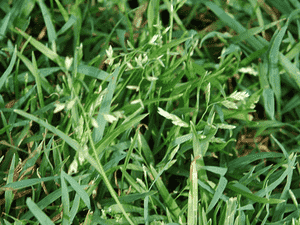
The ideal period for relocating annual bluegrass is from early to mid-spring, when both temperatures and ground moisture levels are most favorable. Annual bluegrass thrives in rich, well-draining earth situated in an area receiving full sun to partial shade. Carefully loosen the root mass during the transplanting process to facilitate improved establishment.
Preparations Required Before Relocating Annual Bluegrass
Optimal Period for Relocating Annual Bluegrass?
The best time to move annual bluegrass is from early spring through its middle phase. During this window, the plant can comfortably adjust to its new surroundings.
Recommended Spacing Between Annual Bluegrass Plants?
Begin by positioning annual bluegrass seedlings 6-12 inches (15-30 cm) apart. This provides ample room for healthy development without resource competition.
Ideal Soil Mixture for Annual Bluegrass Relocation?
For annual bluegrass, prepare a well-draining soil blend with a slightly acidic to neutral pH (6.0-7.0). Incorporate organic material like compost and a balanced granular fertilizer for a nutrient-dense foundation.
Where to Replant Your Annual Bluegrass?
Select a site with full sun to partial shade, as annual bluegrass thrives in locations offering both periods of direct sunlight and cool, shaded intervals. This promotes optimal development.
Equipment Needed Before Transplanting Annual Bluegrass
Gardening Gloves
To safeguard your hands from potential cuts or abrasions while handling the annual bluegrass plant and soil.
Shovel or Trowel
To carefully excavate the plant from its original spot, ensuring the root ball remains intact.
Watering Can
Essential for thoroughly hydrating the plant both before and after its relocation.
Garden Fork
Perfect for loosening compacted soil at the new planting site prior to transplanting.
Wheelbarrow
For effortless transportation of the excavated plant to its new destination.
Mulch
To help retain moisture and stabilize soil temperature after transplanting.
Pruning Shears
To remove any diseased or damaged portions of the plant.
How to Extract Annual Bluegrass from the Soil
How to Extract Annual Bluegrass from the Soil?
From the Ground: If your annual bluegrass was initially grown in the ground, start by thoroughly watering it to soften the soil. Dig a wide circle around the plant with a shovel or trowel, ensuring the root ball remains undamaged. Then, gently work the shovel beneath the root ball, carefully lifting the entire plant out of the ground.From a Pot: If annual bluegrass was in a pot, the process is simpler. Begin by watering it. Next, turn the pot sideways, holding the annual bluegrass near its base. A gentle tug should allow the plant to slide out with its root ball intact. Be careful not to pull from the top, as this could harm the plant.From a Seedling Tray: If annual bluegrass is in a seedling tray, handle it delicately to prevent root damage. Hold the annual bluegrass plant's base with one hand, while using a small spoon or stick to carefully loosen the soil from the sides. Once loose, gently lift the plant.
Step-by-Step Guide for Relocating Annual Bluegrass
Preparation
Begin by thoroughly watering the annual bluegrass plant in its current location. This will facilitate easier removal and reduce stress on the plant.
Soil Preparation
At the new site, use a garden fork to loosen and aerate the soil. Dig a hole that is twice the size of the annual bluegrass's root ball.
Removal
Using your shovel or trowel, carefully extract the annual bluegrass from its original spot, keeping its root ball intact. If annual bluegrass is in a pot or seedling tray, gently pull it out.
Transplanting
Place the annual bluegrass into the prepared hole. The top of the root ball should be level with the ground. Fill the surrounding area with soil and lightly compact it around the root.
Watering
Water the annual bluegrass thoroughly immediately after transplanting. Keep the watering gentle to avoid displacing soil or harming the plant.
Mulching
Apply a generous layer of mulch around the base of the annual bluegrass plant to help retain soil moisture and regulate temperature.
Post-Transplant Care for Annual Bluegrass
Watering Consistency
Regular watering is vital after transplanting, especially during the first week. Keep the soil around annual bluegrass moist but not waterlogged to aid new root development and establishment.
Trimming
If you observe any damaged or diseased parts of annual bluegrass after transplanting, use pruning shears to carefully remove them. This prevents disease spread and encourages fresh growth.
Monitoring
Watch for any indications of stress or disease in annual bluegrass. Yellow leaves or wilting might signal transplant shock. If these symptoms persist, relocating annual bluegrass to a different spot may be necessary.
Protection
In the initial weeks following transplanting, shield annual bluegrass from harsh weather conditions like strong winds or heavy rain, which could cause damage.
Addressing Common Issues with Annual Bluegrass Transplantation.
What is the ideal time of year for transplanting annual bluegrass?
The prime period for transplanting annual bluegrass is from early to mid-spring. Capitalize on the new season's vitality to boost its growth!
What is the optimal spacing between annual bluegrass plants when transplanting?
Maintaining a 6-12 inch (15-30 cm) gap between each annual bluegrass is perfect. This adequate breathing room helps it flourish.
What if annual bluegrass doesn't thrive immediately after transplantation?
Don't be concerned, this is normal. Ensure nutrient-rich soil, sufficient sunlight, and the recommended 6-12 inches (15-30 cm) spacing for improved health.
Which soil type is best for annual bluegrass after transplantation?
Annual bluegrass tends to prosper in well-draining soil. Keep it organic, nutrient-rich with good watering practices for optimal growth.
What if annual bluegrass displays yellow leaves post-transplant?
Yellow leaves could indicate water stress or a nutrient deficiency. Ensure proper watering and consider adding a balanced fertilizer to the soil.
How frequently should I water annual bluegrass after transplanting?
Annual bluegrass prefers consistent moisture. However, avoid waterlogging the soil; keeping it damp but well-drained is crucial.
My annual bluegrass appears wilted after transplanting, what's wrong?
Your annual bluegrass might be experiencing transplant shock. Maintain appropriate watering and consider using a root stimulator to aid recovery.
Why is my transplanted annual bluegrass growing slowly?
Insufficient sunlight, poor soil, or overcrowding can impede growth. Ensure your annual bluegrass has 6-12 inches (15-30 cm) of space, adequate light, and nutrient-rich soil.
Should I prune annual bluegrass after transplanting?
Yes, you can. Pruning immediately after transplanting helps annual bluegrass conserve energy and promotes vigorous growth.
I've followed all advice, but my annual bluegrass dies after transplanting. Why?
Several factors such as inadequate water, extreme weather, or disease could be involved. Try again in the favorable spring season, adhering to the provided guidance.



