How to Transplant Jaboticaba tree?
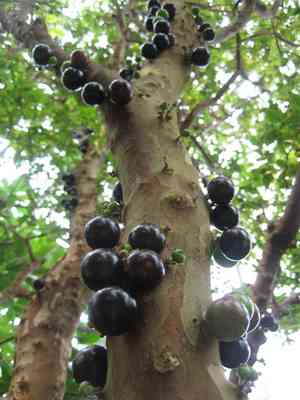
Relocate your jaboticaba tree during the pleasant temperatures of late spring through mid-summer, providing a smooth transition in mild conditions. Select a location with good drainage and ample sunlight. Exercise caution to safeguard the fragile root structure throughout this prime development period.
Essential Preparations Before Relocating Your Jaboticaba Tree
Optimal Period for Jaboticaba Tree Relocation?
For jaboticaba tree, the most suitable time for moving is the transition from spring to summer. This period offers an ideal blend of warmth and establishment time before hotter conditions, promoting better root development. Such timing leverages the upcoming long growing season, encouraging vigorous growth and adaptation to its new spot. Rely on this natural window to give your jaboticaba tree the best start in its new home.
Required Spacing Between Jaboticaba Tree Plants?
When moving your jaboticaba tree, ensure it has ample room to flourish. Ideally, a separation of about 3-5 feet (0.9-1.5 meters) between each plant will foster optimal development. This promotes proper air circulation and lessens competition for nutrients among plants.
Ideal Soil Blend for Jaboticaba Tree Relocation?
The jaboticaba tree thrives in fertile, well-draining soil. Prepare your soil by incorporating compost or organic matter, which will nourish your plant as it grows. A slow-release base fertilizer can be added during planting to provide continuous nutrients.
Choosing a New Location for Your Jaboticaba Tree?
Select a site with abundant sunlight for jaboticaba tree as it prefers full sun. However, it can endure partial shade. Remember, a sunny location encourages healthier growth and plentiful fruit production. But avoid excessively hot areas, as intense heat could harm your plant.
Tools Required Before Transplanting Jaboticaba Tree
Garden Shovel
This implement will be used to extract the jaboticaba tree plant from its current spot and to excavate the hole in the new planting area.
Gardening Gloves
To safeguard your hands while handling the soil and plant. Be sure to wear gloves as the jaboticaba tree has a slightly coarse texture that can be uncomfortable to touch.
Bucket/Wheelbarrow
To transport the jaboticaba tree plant from its original location to the new site.
Watering Can or Hose
To hydrate the jaboticaba tree plant before and after its relocation.
Organic Mulch
To assist in retaining moisture and suppressing weeds post-transplantation.
Method for Extracting Jaboticaba Tree from the Soil?
Method for Extracting Jaboticaba Tree from the Soil?
From Ground: Water the jaboticaba tree plant thoroughly the day before the scheduled transplant to facilitate its removal. Then, using a garden shovel, dig a wide trench around the plant's root ball, leaving sufficient space to keep the root system intact. Gently slide the shovel beneath the root ball to lift the plant. Exercise extreme caution to avoid damaging any roots during this process.From Pot: Similar to the ground method, water the plant first, then carefully tip the pot sideways and ease the plant out. Try not to pull on the stems or trunk of the jaboticaba tree to prevent unnecessary harm. If the plant is stuck, gently tap the sides and bottom of the pot to loosen the root ball.From Seedling Tray: For seedlings, ensure that the jaboticaba tree has developed a robust root system before transplanting. Use a spoon or a small gardening tool to scoop out the seedling along with its roots to prevent any damage.
Detailed Guide for Transplanting Jaboticaba Tree
Preparation
Using your gardening gloves, prepare the new planting hole for the jaboticaba tree plant. The hole should be three times the diameter of the plant's root ball and the same depth as the root ball to ensure a snug fit.
Transfer
Very carefully, move the jaboticaba tree using the bucket or wheelbarrow to its new location.
Planting
Position the jaboticaba tree in the hole and backfill with the excavated soil. Gently press the soil around the plant's base to eliminate any air pockets. The top of the root ball should be level with or slightly below the ground surface.
Watering
After planting, water thoroughly with the watering can or hose. This encourages the roots to expand and establish themselves in their new spot.
Mulching
Apply a layer of organic mulch around the jaboticaba tree plant. This helps maintain moisture levels and suppresses weed growth.
Post-Transplantation Care for Jaboticaba Tree
Watering
The jaboticaba tree plant prefers deep watering rather than frequent shallow watering. Ensure the plant is thoroughly watered immediately after transplanting, and establish a consistent watering schedule based on climate and season.
Pruning
Remove any damaged or dead branches to promote healthy growth.
Protection
As a young plant, jaboticaba tree may require protection from harsh weather conditions like frost. During colder months, consider using a frost blanket or relocating the plant if it's in a container.
Monitoring
Keep a close watch on your jaboticaba tree plant's overall health after transplant. Look for any signs of stress or disease, and take necessary actions promptly to address any issues.
Resolving Common Issues with Jaboticaba Tree Transplantation.
When is the optimal time to transplant a jaboticaba tree tree?
The best time to transplant jaboticaba tree trees is during late spring to early fall ('S3-S5' seasons). This provides them with the highest chance to establish before winter.
What should be the ideal spacing between jaboticaba tree seedlings during transplantation?
To provide your jaboticaba tree with ample room to grow, maintain a distance of approximately 3-5 feet (around 0.9-1.5 meters) between each tree during the transplanting process.
Why are the leaves on my transplanted jaboticaba tree turning yellow?
Yellowing leaves may indicate stress, often due to insufficient water or shock from transplantation. Ensure consistent watering and avoid moving the tree again too soon.
What size planting hole should I dig for my jaboticaba tree tree?
The hole should be twice as wide as and about as deep as the root ball. Typically 18-24 inches (45-60 cm) for a young jaboticaba tree tree is sufficient.
Is it essential to stake my newly transplanted jaboticaba tree tree?
Staking offers support to the newly transplanted jaboticaba tree, but it's not always necessary. If the tree stands upright without assistance, you can omit it.
Why isn't my transplanted jaboticaba tree tree showing new growth?
Transplanted jaboticaba tree may require time to establish and exhibit new growth. Be patient, ensure consistent watering, good light, and prevent transplant shock through sudden environmental changes.
How frequently should I water a newly transplanted jaboticaba tree tree?
Newly transplanted jaboticaba tree trees need immediate watering, then daily for the first week, followed by every other day for subsequent weeks to maintain moist soil.
Can my jaboticaba tree tree be transplanted into a pot?
Jaboticaba tree can be grown in containers, but remember that pot size limitations can restrict growth. Ensure the pot is sufficiently large, has drainage holes, and use rich, well-draining soil.
Why is my jaboticaba tree tree dropping fruit after transplanting?
Dropped fruit may be a result of transplant shock. The jaboticaba tree redirects energy to root and foliage growth. Regular watering and proper care should aid its recovery.
Should I prune my jaboticaba tree tree after transplanting?
Light pruning can be performed to remove dead or damaged parts. However, avoid heavy pruning post-transplant as it might stress the jaboticaba tree during its recovery phase.



