How to Transplant Dwarf white-stripe bamboo?
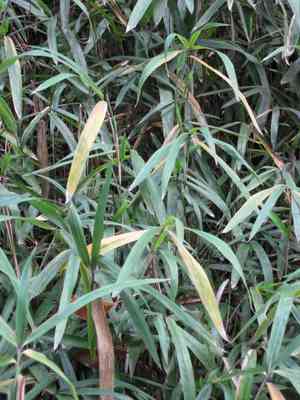
The optimal period for relocating dwarf white-stripe bamboo is at the onset of spring, allowing for gentle root development before the summer growing season. Select a shaded spot featuring damp, adequately draining earth to facilitate a smooth adjustment for this vibrant perennial.
What Preparations are Needed Before Transplanting Dwarf White-stripe Bamboo?
What is the Ideal Time for Transplanting Dwarf White-stripe Bamboo?
The optimal time for relocating dwarf white-stripe bamboo is at the start of its active growth phase, typically from early to mid-spring. This period aligns with the plant's natural revitalization cycle, where cool, moist conditions aid root establishment without the stress of summer heat. Moving dwarf white-stripe bamboo then allows roots to gently settle before summer's intensity, fostering a strong base for future development.
How Much Space Should You Leave Between Dwarf White-stripe Bamboo Plants?
When moving dwarf white-stripe bamboo, ensure adequate room for growth, ideally 1-2 feet (30-60 cm) apart. This spacing will enable your plants to flourish.
What is the Best Soil Mix for Dwarf White-stripe Bamboo Transplanting?
For dwarf white-stripe bamboo, well-draining soil is most suitable. Prepare your planting area with a blend of compost and fertilizer to provide a nutrient-rich beginning for your plant.
Where Should You Relocate Your Dwarf White-stripe Bamboo?
Select a spot for dwarf white-stripe bamboo where it will receive partial sunlight. Excessive direct sun can be detrimental. An area with morning or late afternoon sun would be perfect.
What Equipments Should You Prepare Before Transplantation Dwarf White-stripe Bamboo?
Gardening Gloves
These will safeguard your hands from any sharp edges on the plant or in the soil, as well as from dirt and potential allergens.
Shovel or Spade
An essential tool for excavating the plant from its original spot and preparing the new location.
Trowel
This smaller implement is useful for more precise tasks in confined areas, where a larger shovel is not appropriate.
Garden Fork
This tool can help loosen compacted soil around roots, making it much easier to extract the plant.
Hand pruners
You might need these for trimming off dead sections of the dwarf white-stripe bamboo to encourage new growth after relocation.
Wheelbarrow
A useful device for transporting the plant and/or soil.
Watering Can
This will be necessary for keeping the plant hydrated during the relocation process.
Mulch
A layer of mulch can safeguard the plant after it has been moved.
How Do You Remove Dwarf White-stripe Bamboo from the Soil?
How Do You Remove Dwarf White-stripe Bamboo from the Soil?
From Ground: Begin by watering the dwarf white-stripe bamboo to moisten the soil around its base. Next, take your shovel or spade and dig a wide trench around the plant, being careful to avoid damaging critical roots. Once the trench is dug, meticulously work your spade beneath the root ball. Carefully lift the dwarf white-stripe bamboo from its original location.From Pot: Start by placing the pot on its side. Hold the dwarf white-stripe bamboo at the base of the stem, and gently pull it out. If it resists, rotate the pot and try again to carefully encourage the plant and its roots out of the pot.Seedling Tray: Once the seedlings have 2-3 true leaves, they are ready for transplant. With a small trowel or your fingers, gently remove the dwarf white-stripe bamboo seedlings from the tray. Be very careful not to harm the delicate roots.
Step-by-Step Guide for Transplanting Dwarf White-stripe Bamboo
Digging the Hole
After selecting the appropriate spot in your garden, excavate a hole that is twice as wide and equally deep as the dwarf white-stripe bamboo’s root ball. This will provide ample space for root development.
Preparing the Plant
Briefly submerge the dwarf white-stripe bamboo’s roots in a bucket of water to hydrate them prior to transplantation.
Planting
Position the dwarf white-stripe bamboo in the hole. Backfill the hole with soil, ensuring that the top of the root ball is level with the soil surface and not planted too deeply.
Completion
Gently press the soil down around the base of the dwarf white-stripe bamboo and water thoroughly. Spread a layer of mulch around the plant's base.
How Do You Care For Dwarf White-stripe Bamboo After Transplanting?
Watering
The dwarf white-stripe bamboo will require ample moisture for the next few weeks. Water consistently to keep the soil damp, but prevent overwatering.
Pruning
Trim off any damaged or dead sections of the dwarf white-stripe bamboo using your hand pruners. This helps the plant conserve energy for new growth instead of maintaining compromised parts.
Monitoring
Closely observe the dwarf white-stripe bamboo for the next couple of weeks. If you notice wilting or discoloration, it may need more or less sunlight, water, or protection from pests. Adjust your care as needed.
Troubleshooting Common Issues with Dwarf White-stripe Bamboo Transplantation.
What is the best time of year for moving and planting dwarf white-stripe bamboo?
The ideal time to transplant dwarf white-stripe bamboo is during 'S1-S2'. This is when the plant is less active, facilitating a smoother transition.
How far apart should dwarf white-stripe bamboo be planted from each other?
To provide each plant sufficient growing room, dwarf white-stripe bamboo should ideally be spaced 1-2 feet or 30-60 cm apart.
How deep should dwarf white-stripe bamboo be planted?
When planting dwarf white-stripe bamboo, ensure the top of the root ball is level with or slightly above the ground surface.
What should be the condition of the soil while transplanting dwarf white-stripe bamboo?
Dwarf white-stripe bamboo prefers well-drained soil. Ensure the soil is moist but not waterlogged. This encourages healthier root development.
Does dwarf white-stripe bamboo need shade or sunlight?
Dwarf white-stripe bamboo thrives best in partial shade to full sun. Confirm your transplant location has suitable light exposure.
How should I water dwarf white-stripe bamboo after transplanting?
Water dwarf white-stripe bamboo generously after transplanting. Keep the soil consistently moist, but avoid excessive watering to prevent root rot.
Should I fertilize dwarf white-stripe bamboo after transplanting?
Yes, incorporate a balanced slow-release fertilizer into the hole before transplanting dwarf white-stripe bamboo to promote health and growth.
Why is dwarf white-stripe bamboo wilting after I transplanted it?
Wilting after transplant is often a sign of shock. Maintain proper watering, and the plant should recover over time.
What should I do if the leaves of dwarf white-stripe bamboo turn yellow after transplanting?
Yellow leaves may indicate overly wet soil or insufficient sunlight. Adjust watering and sunlight accordingly for dwarf white-stripe bamboo.
Do I need to prune dwarf white-stripe bamboo before or after transplanting?
It's beneficial to lightly prune dwarf white-stripe bamboo before transplanting, removing any unhealthy growth. After transplanting, allow it to acclimate.



