How to Transplant Swedish ivy?
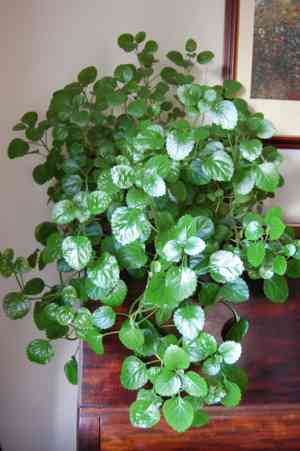
The optimal period for relocating swedish ivy spans from the close of summer to the middle of autumn, facilitating robust root establishment and adaptation. Select a site featuring soil with good drainage, exposure ranging from partial shade to full sunlight, and sufficient room for expansion. Ensure consistent watering after transplantation to achieve superior outcomes.
What Preparations are Needed Before Transplanting Swedish Ivy?
What is the Ideal Time for Transplanting Swedish Ivy?
You should consider relocating your swedish ivy from the late warmth of summer to the refreshing breezes of mid-autumn. This timeframe is optimal as it allows the plant to establish its root system in a cooler setting. Moving swedish ivy during this interval benefits it by reducing stress from high temperatures and increasing its chances of survival and development. So, prepare your gardening skills, get ready for the cool season, and let your swedish ivy flourish! Remember, a successful gardening experience begins by adopting the correct transplanting schedule- let's proceed step-by-step!
How Much Space Should You Leave Between Swedish Ivy Plants?
To provide your swedish ivy ample room to grow and thrive, position them 6-12 inches (15-30 cm) apart during relocation. This will ensure they have sufficient space to spread out and develop a robust root system.
What is the Best Soil Mix for Swedish Ivy Transplanting?
For optimal development, prepare a well-draining soil mixture with a slightly acidic to neutral pH. Incorporate a base fertilizer, such as an all-purpose slow-release granular fertilizer, to support your swedish ivy throughout the growing season.
Where Should You Relocate Your Swedish Ivy?
Select a sunny location for your swedish ivy where they will receive at least 6 hours of sunlight daily. Be sure to plant them where you can appreciate their beautiful foliage and trailing habit. They'll also perform well in partial shade if a full sun spot isn't available.
What Equipments Should You Prepare Before Transplantation Swedish Ivy?
Gardening Gloves
To safeguard your hands while handling soil and the swedish ivy plant.
Trowel
For excavating the planting hole and gently loosening the swedish ivy's root ball with minimal damage.
Watering Can
For adequately hydrating the swedish ivy before and after relocation.
Organic Compost
To enhance soil quality and supply nutrients for the swedish ivy plant.
Garden Spade
Useful for maintaining the soil around the root ball during removal.
Garden Pruners
To trim any damaged or diseased leaves or stems prior to transplanting.
How Do You Remove Swedish Ivy from the Soil?
How Do You Remove Swedish Ivy from the Soil?
From Ground: First, water the swedish ivy plant to moisten the soil. This will aid in digging without harming the roots. Then, create a wide circle with your spade around the swedish ivy, ensuring it’s broader than the plant's foliage. Carefully insert the spade beneath the root ball and gently lift the plant.From Pot: Begin by watering the swedish ivy plant in its container, which helps the root ball stay intact. Invert the pot and gently tap the base to dislodge the swedish ivy. If it doesn’t slide out, roll the pot on a flat surface and then try again carefully. Avoid pulling the plant as it can cause root damage.From Seedling Tray: Water the swedish ivy seedlings and use a sanitized tool or a spoon to carefully lift them. The goal is to lift the seedling with as much of its own soil as possible to minimize transplant shock.
Step-by-Step Guide for Transplanting Swedish Ivy
Site Preparation
First, prepare the new location for the swedish ivy. Dig a hole deep and wide enough to comfortably accommodate the root system. Add organic compost and mix it with the existing soil in the hole.
Placing the Plant
Position the swedish ivy in the center of the hole, ensuring it is at the same level as it was in its original spot. Avoid planting too deeply or too shallowly.
Backfilling
Refill the hole with the enriched soil, gently compacting it around the swedish ivy's root ball. Make sure there are no air pockets as these can lead to root dehydration.
Watering
Water the swedish ivy thoroughly immediately after planting. This helps settle the soil around the roots and initiates the recovery and growth process.
How Do You Care For Swedish Ivy After Transplanting?
Watering Regularly
The newly relocated swedish ivy will require ample water to ensure its survival and flourishing. Water it thoroughly and then maintain consistently moist soil, but prevent waterlogging as this can lead to root rot.
Pruning
Trim any dead or damaged leaves and branches to encourage new growth in swedish ivy. It also helps prevent the onset of diseases.
Checking for Pests
Monitor the swedish ivy for any indications of pests or diseases. If you observe pests, apply a suitable eco-friendly pest control solution.
Fertilizing
Wait 3-4 weeks after transplanting before fertilizing the swedish ivy, allowing the roots to establish first. Fertilizing immediately after planting may cause root burn.
Protection
Shield the swedish ivy from harsh weather conditions such as intense sun or frost by using protective coverings or by moving them to a more favorable spot.
Troubleshooting Common Issues with Swedish Ivy Transplantation.
When is the best time to transplant swedish ivy?
Relocating swedish ivy is best done from late summer to mid-fall when the weather is milder.
What is the recommended spacing between swedish ivy plants?
It would be best to allow a distance of 6-12 inches (15-30 cm) between each swedish ivy to promote healthy growth.
Does swedish ivy require a specific type of soil during transplantation?
Swedish ivy prefers well-drained soil with plenty of organic matter. It doesn't require a specific soil type, just ensure it's well-draining.
How deep should the hole be when transplanting swedish ivy?
The hole should be just deep enough so the root ball of swedish ivy is covered and the plant sits at the same height as in its previous location.
Could transplanting swedish ivy during non-ideal times harm it?
Yes, relocating swedish ivy outside of the late summer to mid-fall period could stress the plant and hinder its growth.
After transplanting swedish ivy, how often should I water it?
Initially, water the swedish ivy thoroughly and then provide regular watering to keep the soil moist, but avoid waterlogging.
How to prepare potting mix for transplanting swedish ivy?
Prepare a mix of enriched, well-draining soil and a bit of compost. This wholesome environment promotes vigorous growth after transplanting swedish ivy.
What size of pot should I choose to transplant swedish ivy?
Choose a pot that is 1-2 inches (2.5-5 cm) larger in diameter than your swedish ivy's root ball. This gives root enough space to spread.
What if leaves of my swedish ivy start yellowing post-transplant?
Yellowing leaves can indicate water stress or root damage. Monitor watering and consider root inspection if the situation persists.
Can I use fertilizers immediately after transplanting swedish ivy?
Let swedish ivy settle for a bit post-transplant. After 2-3 weeks, you could start using a balanced, water-soluble fertilizer to give it a growth boost.



