How to Transplant Oriental arborvitae?
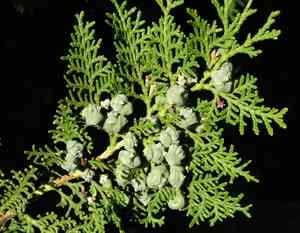
To successfully relocate oriental arborvitae, select the pleasant period from late spring to early summer. It is crucial to identify a spot that receives full sun or partial shade and possesses soil with good drainage for oriental arborvitae. Be sure to keep the root system hydrated throughout the procedure to safeguard its health.
What Preparations are Needed Before Transplanting Oriental Arborvitae?
What is the Ideal Time for Transplanting Oriental Arborvitae?
The optimal period for relocating oriental arborvitae spans from late spring to early summer. This timeframe, characterized by milder weather, allows oriental arborvitae to establish its root system effectively before winter's arrival. Transplanting oriental arborvitae during this window promotes a healthier, more vigorous plant over time. Remember to prepare the soil for a successful transfer. Precision in information delivery and appropriate timing are crucial.
How Much Space Should You Leave Between Oriental Arborvitae Plants?
When moving oriental arborvitae, ensure each plant is spaced approximately 10-15 feet (3-4.5 meters) apart. This provides ample room for growth and development without competition for resources.
What is the Best Soil Mix for Oriental Arborvitae Transplanting?
For oriental arborvitae, prepare a soil mixture that drains well and has a pH ranging from slightly acidic to neutral. Incorporate organic materials like compost and a balanced slow-release fertilizer to supply essential nutrients.
Where Should You Relocate Your Oriental Arborvitae?
Select a site with either full sun or partial shade, as oriental arborvitae adapts to various light conditions. Ensure the chosen spot receives at least 6 hours of daily sunlight for optimal development.
What Equipments Should You Prepare Before Transplantation Oriental Arborvitae?
Gardening Gloves
To safeguard your hands while handling soil and oriental arborvitae.
Shovel or Spade
Used for excavating oriental arborvitae from its current spot and creating a new hole at the transplant site.
Pruning Shears
For trimming any necessary parts of oriental arborvitae both before and after relocation.
Wheelbarrow or Gardening Trolley
For moving oriental arborvitae from its original location to the new planting area.
Watering Can or Hose
To hydrate oriental arborvitae prior to, during, and following transplantation.
Mulch
To apply around the base of oriental arborvitae after transplanting, aiding in moisture retention and weed suppression.
How Do You Remove Oriental Arborvitae from the Soil?
How Do You Remove Oriental Arborvitae from the Soil?
From Ground: First, thoroughly water the oriental arborvitae plant the day before transplanting to facilitate removal and reduce plant stress. Next, dig a wide trench around the plant with a spade, ensuring the root ball remains intact. Gently loosen the soil, working the spade beneath the root ball to lift oriental arborvitae from its initial position.From Pot: Water the potted oriental arborvitae thoroughly a few hours before transplanting. Tilt the pot sideways and gently squeeze or tap it to allow the plant and its root ball to slide out. Be careful not to pull the plant by its stem to prevent damage.From Seedling Tray: Moisten the tray first, then gently push the seedling out from the bottom. Avoid tugging or pulling oriental arborvitae by its stem; instead, lift it carefully by its leaves.
Step-by-Step Guide for Transplanting Oriental Arborvitae
Preparation
Prepare the planting hole before extracting oriental arborvitae from its initial spot. The hole should be twice as wide and the same depth as the plant's root ball.
Positioning
Place oriental arborvitae into the new hole, ensuring it is no deeper than the soil surface it occupied in its original location. Orient oriental arborvitae so it stands upright.
Backfilling
Fill around the root ball with garden soil, gently firming it down to eliminate air pockets.
Watering
Thoroughly water the oriental arborvitae until the soil is completely saturated.
Mulching
Apply a layer of mulch around the base of the oriental arborvitae, keeping it clear of the stem to deter rodent or insect damage.
How Do You Care For Oriental Arborvitae After Transplanting?
Watering
During the initial weeks post-transplant, maintain consistent moisture in the soil around the oriental arborvitae, avoiding sogginess. This aids the plant in recovering from transplant shock and developing strong roots.
Pruning
Minimal pruning may benefit your oriental arborvitae after relocation; only remove dead, damaged, or diseased branches.
Monitoring
Observe oriental arborvitae closely; if it exhibits signs of distress such as wilting, yellowing, or dropping leaves, it may require additional attention like increased watering or pest control.
Fertilizing
Wait at least one month before applying any fertilizer. This allows your oriental arborvitae time to recover and prevents chemical burn to its roots.
Troubleshooting Common Issues with Oriental Arborvitae Transplantation.
What's the best time to transplant oriental arborvitae?
The optimal period for relocating oriental arborvitae is from late spring through the initial weeks of summer.
How much space should I leave between each oriental arborvitae plant during transplantation?
When transplanting, allow approximately 10-15 feet (3-4.5 meters) of space between each oriental arborvitae. This promotes healthy growth.
How deep should the hole be for transplanting oriental arborvitae?
The hole for oriental arborvitae should be twice as wide and match the depth of the root ball. This provides ample room for root expansion.
How to prepare oriental arborvitae for transplanting?
Before transplanting, thoroughly water the oriental arborvitae to hydrate its root system. Afterward, carefully extract it from its current location.
What soil type is best for transplanting oriental arborvitae?
Oriental arborvitae thrives in well-drained soil. You can enhance poor soil by incorporating organic matter like compost.
Why do the leaves of oriental arborvitae turn yellow after transplanting?
Yellow leaves often signal excessive watering. Ensure the oriental arborvitae has good drainage and is not watered too frequently.
What can I do if the transplanted oriental arborvitae isn't growing?
Ensure your oriental arborvitae receives sufficient sunlight and its soil drains well. If growth remains stagnant, consider a mild fertilizer.
How to care for oriental arborvitae after transplanting?
Water the oriental arborvitae thoroughly post-transplant. Continue regular watering, but avoid over-watering. Mulch can assist in moisture retention.
Should I prune oriental arborvitae after transplanting?
Pruning is not immediately necessary after transplanting. In fact, it's advisable to wait a year post-transplant before initiating pruning routines.
Is it necessary to stake the oriental arborvitae after transplanting?
Staking is typically not required unless oriental arborvitae possesses a large canopy or is situated in a particularly windy area. Minimal intervention is generally preferable.



