How to Transplant Staghorn fern?
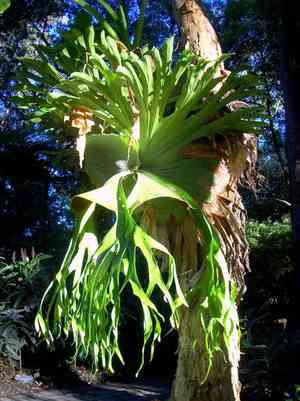
Relocate staghorn fern during mid-spring to encourage vigorous development. Select a shaded location offering significant moisture. Provide extensive backing for its unique fronds if necessary. A gentle reminder, staghorn fern prospers when given space to expand!
Essential Preparations Before Relocating Staghorn Fern?
Optimal Timing for Staghorn Fern Relocation?
Relocating staghorn fern in mid-spring is perfect due to ideal temperatures for root establishment, avoiding extreme heat. This timing allows staghorn fern to settle and flourish before summer's intensity. This season ensures vigorous growth and enhanced vitality, making the gardening effort worthwhile.
Recommended Spacing Between Staghorn Fern Specimens?
For staghorn fern, aim for approximately 1-2 feet (about 30-60 cm) of space between individual plants. This enables each fern to expand and reach its full size. Adequate air circulation around the plant is also crucial.
Ideal Soil Blend for Staghorn Fern Relocation?
A high-quality, well-draining potting mix is vital for staghorn fern. Incorporate a foundational fertilizer, such as organic matter like compost or peat moss. This should supply the necessary nutrients for robust development.
Optimal Location for Your Staghorn Fern's New Home?
Relocate staghorn fern to a spot where it will receive indirect sunlight. Direct sun exposure can scorch its leaves. Therefore, a shaded or dappled light area would be most suitable.
Equipment Needed Before Transplanting Staghorn Fern?
Spade or Trowel
Perfect for excavating holes for transplanting and extracting staghorn fern from its initial spot.
Gardening Gloves
To safeguard your hands while handling soil and the plant.
Organic Matter
Such as compost or well-decomposed manure, to enrich the soil with nutrients during planting.
Watering Can
For adequately hydrating the staghorn fern once it has been relocated.
Driftwood or Bark
This support material is used to secure the staghorn fern, as these plants naturally cling to tree bark in their native environment.
How to Extract Staghorn Fern from its Growing Medium?
How to Extract Staghorn Fern from its Growing Medium?
From Ground: Hydrate the staghorn fern plant to moisten the soil. Dig a broad trench around the plant with a spade, ensuring the root ball remains intact. Gently use the spade to lift the fern from its original position.From Pot: Water the soil in the pot to loosen it. Invert the pot or lay it on its side, then gently tap it to release the staghorn fern. Be careful not to harm the delicate fronds during this process.From Seedling Tray: Carefully hold the staghorn fern plant at its base and gently wiggle it to loosen. Lift it from the tray, ensuring the root ball and as much soil as possible remain intact for transplanting.
Detailed Guide for Relocating Staghorn Fern
Preparation
Prepare a hole at your chosen site that is twice the width and the same depth as the staghorn fern's root ball. Fill the bottom with organic material.
Placement
Position the staghorn fern in the hole, ensuring the top of the root ball is level with the ground. For potted plants, it's easier to attach them to supports like bark or driftwood before placing them in the hole.
Securing
Backfill around the root ball with the remaining soil, gently pressing it down. Bind the staghorn fern's roots to driftwood or bark using a soft material like strips of pantyhose or covered wire.
Watering
Thoroughly water the staghorn fern plant using a watering can or hose. Moisten the entire root zone, but be careful not to overwater.
Post-Transplant Care for Staghorn Fern?
Watering
Maintain consistent moisture in the soil around the staghorn fern for the initial weeks after transplanting to encourage strong root development. Avoid excessive watering, which can lead to root rot.
Observation
Monitor for indications of transplant shock, such as yellowing leaves or wilting fronds, and adjust light or water as needed.
Pruning
Regularly remove dead fronds to prevent pest and disease accumulation and to stimulate new growth.
Addressing Common Issues with Staghorn Fern Relocation.
When is the optimal time to relocate staghorn fern?
The best period to relocate staghorn fern is during the mid to late stages of its active growth season.
How much room does staghorn fern require when being relocated?
An ideal spacing would be approximately 1-2 feet (30-60 cm), as this allows staghorn fern to grow and develop properly.
Can staghorn fern be planted directly into the ground?
No, staghorn fern prefers to be cultivated on tree trunks or in hanging baskets, as this mimics its natural environment.
What kind of soil is suitable for relocating staghorn fern?
A well-draining soil mix is perfect. You can use a blend of peat moss, perlite, and orchid bark.
How frequently should I water staghorn fern after relocation?
Water staghorn fern thoroughly after relocating, allowing the soil to partially dry between waterings. Over-watering can cause root rot.
What should I do if staghorn fern's leaves begin to brown after relocation?
Browning leaves might signal a root issue. Inspect the roots for rot and ensure the plant receives adequate, but not excessive, water.
Why are staghorn fern's fronds turning black after transplantation?
Black fronds could indicate a fungal infection. Avoid wetting leaves when watering, and ensure sufficient airflow around the plant.
How do I propagate staghorn fern during relocation?
You can propagate staghorn fern by detaching the 'pups' or small offshoots from the parent plant during relocation.
Is pruning necessary for staghorn fern during relocation?
Pruning is generally not required. If there are dead or shriveled fronds, you can trim them, but it's best to leave healthy fronds as they are.
How can I minimize transplant shock in staghorn fern?
To reduce transplant shock, place your staghorn fern in similar light conditions to its previous location. Consistently monitor its water and light levels.



