How to Transplant Elkhorn fern?
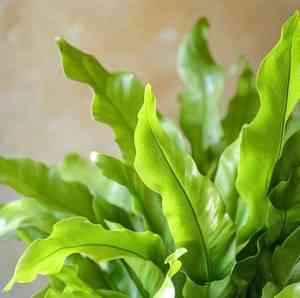
The optimal period for relocating elkhorn fern spans from the balmier days of early summer to mid-autumn or the onset of winter, given its preference for moderate warmth. Position it in an area that receives ample light, is warm, and possesses high humidity. Adhere to particular transplanting guidelines when required, and enjoy your gardening!
What Preparations are Needed Before Transplanting Elkhorn Fern?
What is the Ideal Time for Transplanting Elkhorn Fern?
For elkhorn fern, the best time to move it is from the start of warm weather in summer until early winter. This period, during active growth, allows for quick recovery. It encourages strong root development and a high survival rate for elkhorn fern. Additionally, it provides ample time for the plant to adjust before extreme heat or cold.
How Much Space Should You Leave Between Elkhorn Fern Plants?
When relocating your elkhorn fern, it's crucial to provide adequate room for expansion. Aim for a distance of 1-3 feet (30-90 cm) between each plant to ensure their flourishing.
What is the Best Soil Mix for Elkhorn Fern Transplanting?
For a successful elkhorn fern transplant, select a soil blend that drains well and offers good aeration. Incorporating a slow-release base fertilizer, such as osmocote, will supply vital nutrients and promote robust development.
Where Should You Relocate Your Elkhorn Fern?
Choose a location with filtered sunlight or partial shade for your elkhorn fern. Excessive direct sun can be detrimental, whereas this light level supports strong, vibrant growth.
What Equipments Should You Prepare Before Transplantation Elkhorn Fern?
Gardening Gloves
To safeguard your hands while handling soil and plants.
Trowel
To create small holes for planting the elkhorn fern.
Shovel or Spade
To assist in excavating the plant from its initial spot.
Pruning Shears
To trim any damaged or overgrown plant parts prior to transplanting.
Garden Fork
To loosen the soil at the new planting site.
Watering Can
To hydrate the plant after it has been moved.
Mulch
To help maintain moisture and regulate temperature around the elkhorn fern.
How Do You Remove Elkhorn Fern from the Soil?
How Do You Remove Elkhorn Fern from the Soil?
From Ground: First, moisten the elkhorn fern's soil to facilitate removal. Then, dig a wide trench around the plant with a shovel or spade, keeping the root ball intact. Carefully work the spade beneath the root ball to lift the plant.From Pot: Hydrate the elkhorn fern before beginning the removal. Turn the pot sideways and gently tap its sides to loosen the soil. Support the plant's base with one hand and carefully slide the root ball out.From Seedling Tray: Water the elkhorn fern, then use a trowel or your finger to gently push the soil around the root ball, helping to release the plant. Handle delicate seedlings and roots with care.
Step-by-Step Guide for Transplanting Elkhorn Fern
Preparation
Thoroughly water the elkhorn fern at its original site a few hours before moving it. Also, use pruning shears to remove any damaged or overgrown sections.
Site Preparation
Use a garden fork to loosen the soil at the new planting spot, ensuring it drains well and is free of debris.
Digging Hole
Dig a hole at the new location with a trowel, making it roughly twice the size of the elkhorn fern's root ball.
Placing the Plant
Gently lower the elkhorn fern's root ball into the hole, ensuring the top of the root ball is level with the surrounding ground.
Filling in the Hole
Carefully backfill the hole with soil, gently tamping it down around the root ball to eliminate any air pockets.
Watering
Water the elkhorn fern generously after transplanting, making sure the root ball and surrounding soil are thoroughly saturated.
Mulching
Apply a layer of mulch around the plant, keeping it a few inches from the base, to help retain moisture and regulate soil temperature.
How Do You Care For Elkhorn Fern After Transplanting?
Monitoring
Regularly check the elkhorn fern for any indications of stress or wilting, which might suggest a need for more water or a change in its position.
Watering
Keep the soil around the elkhorn fern consistently damp, but not waterlogged, for the initial weeks post-transplant to aid in root establishment.
Fertilizing
Wait at least one month after transplanting before applying any fertilizer to the elkhorn fern, then adhere to the recommended feeding schedule for your specific plant.
Pruning
Regularly remove any dead or damaged fronds to encourage new growth and maintain the elkhorn fern's vitality.
Pest Control
Inspect the elkhorn fern for pests and apply suitable treatments if necessary, to keep the plant healthy and thriving.
Troubleshooting Common Issues with Elkhorn Fern Transplantation.
What's the optimal time for transplanting elkhorn fern?
Moving elkhorn fern is best done from early summer through mid-autumn, or at the start of winter.
How can I prepare the potting mix for elkhorn fern?
Combine equal parts peat moss, perlite, and coarse sand. Add some bark to the mixture to enhance drainage and air circulation for robust elkhorn fern growth.
What size of pot is appropriate for elkhorn fern transplantation?
Choose a pot that comfortably accommodates the root system. It should be large, approximately 8-10 inches (20-25 cm) in diameter.
How much distance should be maintained between individual elkhorn fern when planting?
Maintain a spacing of about 1-3 feet (30-90 cm), so each elkhorn fern has ample room to grow and spread.
How should I handle root damages while re-positioning elkhorn fern?
Trim any broken or decayed roots. Ensure healthy roots are handled gently to minimize stress and promote faster recovery after transplant.
What's the ideal soil pH for elkhorn fern's growth?
Elkhorn fern prefers slightly acidic to neutral soil. Aim for a pH range of 5.5-7.0 for optimal development.
How to water elkhorn fern post-transplant?
Water the newly transplanted elkhorn fern until the soil is thoroughly moist. Be careful not to overwater, to prevent root rot.
How should I position elkhorn fern in the garden post-transplant?
Select a shaded spot for transplanting elkhorn fern. These plants do not thrive in direct sunlight, so an area with filtered light is ideal.
When should I fertilize elkhorn fern after transplantation?
Once elkhorn fern has adjusted to its new location, typically after 2-3 weeks, you can begin fertilizing, using a slow-release, balanced fertilizer.
What if elkhorn fern shows signs of distress post-transplant?
If elkhorn fern exhibits signs of stress, such as wilting or leaf discoloration, ensure proper watering, adequate sun exposure, and the absence of pests.



