How to Transplant American sycamore?
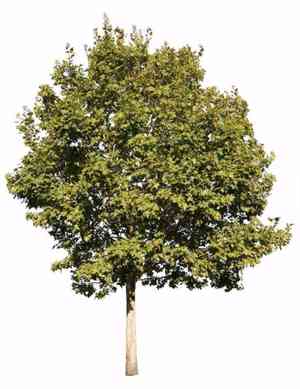
The ideal period for relocating american sycamore is from the latter part of spring into the middle of summer. Select a site that receives abundant sunlight and possesses soil with good drainage to encourage peak development. Carefully disentangle the root mass when moving the plant, and ensure consistent watering after the transfer.
What Preparations are Needed Before Transplanting American Sycamore?
What is the Ideal Time for Transplanting American Sycamore?
The optimal period to relocate american sycamore is from late spring to mid-summer, as this offers stable temperatures and increased sunlight. Moving it during this time promotes robust root development and vigorous growth, giving your american sycamore the best possible start.
How Much Space Should You Leave Between American Sycamore Plants?
When transplanting american sycamore, it's crucial to space them ideally 60-100 feet (18-30 meters) apart. This ensures adequate growth and prevents overcrowding since they can become quite large.
What is the Best Soil Mix for American Sycamore Transplanting?
Prepare the soil for american sycamore by utilizing well-drained, rich, and moist loamy soil with a slightly acidic to neutral pH. Additionally, incorporate a base fertilizer such as compost or well-rotted manure to encourage strong root development.
Where Should You Relocate Your American Sycamore?
Choose a location abundant in sunlight for american sycamore, as they flourish in full sun to partial shade. Ensure the area receives a minimum of 4-6 hours of direct sunlight daily, which will foster vigorous growth and overall plant health.
What Equipments Should You Prepare Before Transplantation American Sycamore?
Gardening Gloves
To safeguard your hands while handling soil and plants.
Shovel or Spade
For digging trenches around the plant and creating a planting hole.
Bypass Pruners
To trim any damaged or broken roots and branches during the relocation process.
Wheelbarrow, Tarp, or Bucket
To move the plant from its original spot to the new planting site.
Watering Can or Garden Hose
To hydrate the plant before and after its transfer.
Soil Amendment
To enhance soil quality at the planting site if necessary, such as compost or organic matter.
Stakes and Rope
To offer support for the plant if required in its new location.
How Do You Remove American Sycamore from the Soil?
How Do You Remove American Sycamore from the Soil?
- From Ground:First, water the american sycamore plant to moisten the soil. Then, dig a wide trench around the plant using a shovel or spade, ensuring the plant's root ball remains intact. Carefully work the spade under the root ball to lift the plant from its original location.- From Pot:Water the american sycamore plant and allow it to sit for a few minutes. Gently squeeze or tap the sides of the pot to loosen the root ball. Hold the base of the plant and turn the pot upside down to slide the root ball out of the pot. Handle the plant carefully to avoid damaging the roots.- From Seedling Tray:Water the seedlings to moisten the soil. Gently loosen the soil around the roots using a small trowel or your fingers. Carefully lift the american sycamore seedling out of the tray, handling it by the root ball and not the stem.
Step-by-Step Guide for Transplanting American Sycamore
Site Selection
Pick a spot with adequate sunlight and room for your american sycamore plant to reach its mature size.
Soil Preparation
Assess the soil structure and nutrient levels at the planting site, and enrich the soil if needed with compost or organic matter.
Digging the Hole
Excavate a hole twice as wide and as deep as the american sycamore plant's root ball, keeping the sides of the hole slightly sloped inward to prevent the plant from settling too deeply.
Placing the Plant
Carefully position the american sycamore plant into the hole, ensuring the root ball is level with the surrounding soil. If the plant came with a stake or support, place it accordingly.
Backfilling
Gently refill the hole with native soil or amended soil, tamping it down lightly to eliminate air pockets. Be careful not to bury the plant's stem.
Watering
Thoroughly irrigate the american sycamore plant, allowing the water to fully soak the root zone before watering again.
Staking (if needed)
Secure the plant to a stake or support using soft rope or ties to provide stability and prevent it from toppling over.
Mulching
Apply a 2-3 inch layer of mulch around the base of the american sycamore plant to help retain moisture and regulate soil temperature, taking care not to allow the mulch to touch the plant's stem directly.
How Do You Care For American Sycamore After Transplanting?
Watering
Keep the soil around the american sycamore consistently moist, but not waterlogged, for the initial weeks after transplanting to aid in establishing strong roots.
Pruning
Trim any damaged or broken branches, and remove any dead, diseased or crossing branches in the first year after transplanting.
Monitoring
Regularly inspect the american sycamore plant for any indications of stress or pests and take appropriate action if necessary.
Fertilizing
Apply a balanced, slow-release fertilizer in the first year after transplanting, adhering to the manufacturer's guidelines.
Providing Support
Continue to offer support for the american sycamore plant using stakes, ropes or ties if needed, until it becomes well-established in its new location.
Troubleshooting Common Issues with American Sycamore Transplantation.
When is the best time to transplant american sycamore?
Relocate american sycamore during late spring or midsummer for optimal growth and establishment.
What is the ideal spacing for transplanting american sycamore?
The preferred spacing for american sycamore is approximately 60 to 100 feet (18 to 30 meters) apart.
How deep should I dig the hole for transplanting american sycamore?
Dig a hole twice as wide as the root ball and equally deep, ensuring proper root establishment.
How can I ensure successful root growth during transplanting?
Gently separate roots to encourage outward growth and position the tree at its original depth.
How much water is necessary for newly transplanted american sycamore?
Water thoroughly after planting, then maintain consistently moist soil for several weeks post-transplant.
Do I need to fertilize american sycamore after transplanting?
Wait a year before applying a balanced, slow-release fertilizer, to prevent root burn and encourage growth.
How can I protect my transplanted american sycamore from pests?
Inspect for pests regularly, remove them manually, and use insecticidal soaps or organic treatments if necessary.
What kind of support does american sycamore need after transplanting?
Attach to stakes for initial support, but remove after a year to prevent the tree from becoming dependent.
How do I prune american sycamore after transplanting?
Prune dead or broken branches immediately, then wait a year to shape and remove any competing leader branches.
Should I apply mulch around the base of my transplanted american sycamore?
Apply a layer of organic mulch 2 to 4 inches (5 to 10 cm) deep, but avoid contact with the trunk.



