How to Transplant Sea plantain?
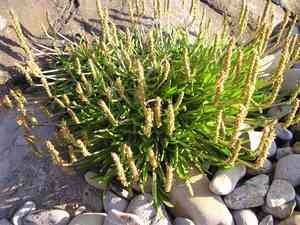
For Plantago maritima, the ideal time for relocation spans from early spring through its peak growth phase. Choose locations offering full sun to partial shade, featuring soil that drains effectively. Carefully managing the root system promotes successful establishment.
What Preparations are Needed Before Transplanting Sea Plantain?
What is the Ideal Time for Transplanting Sea Plantain?
For sea plantain, the best time to move it is from when spring begins to thaw until just before summer arrives. This period offers the mild, consistent temperatures and increasing daylight that sea plantain prefers. Moving sea plantain during this phase utilizes the season's energy, promoting strong root development and adaptation. It's an excellent chance for sea plantain to settle into its new spot, benefiting fully from spring's nurturing conditions.
How Much Space Should You Leave Between Sea Plantain Plants?
Hello there! For your sea plantain, aim for a comfortable gap of approximately 15-30 cm (6-12 inches) between each specimen. This will provide them ample room to thrive and expand their foliage in their new environment.
What is the Best Soil Mix for Sea Plantain Transplanting?
For sea plantain, they will appreciate a comfortable location in soil that drains well. Before introducing them, mix in some organic compost to provide nutrients. A gentle, all-purpose fertilizer will offer a welcoming start for their roots!
Where Should You Relocate Your Sea Plantain?
Your sea plantain will enjoy soaking up full sunlight to partial shade. When selecting their new spot, envision them receiving at least 6 hours of sun daily, much like a relaxing beach holiday!
What Equipments Should You Prepare Before Transplantation Sea Plantain?
Gardening Gloves
To safeguard your hands while handling soil and sea plantain.
Trowel or Spade
To excavate the sea plantain without harming its root system.
Watering Can or Hose
To hydrate the sea plantain prior to and following transplantation.
Gardening Fork
To loosen the earth surrounding the sea plantain's root ball.
Measuring Tape
To assist in planting the sea plantain at the correct depth and spacing.
Wheelbarrow or Gardening Cart
To move the sea plantain and soil.
Secateurs or Pruning Shears
To trim any damaged roots or leaves.
Mulch
To apply around the base of sea plantain after transplanting.
How Do You Remove Sea Plantain from the Soil?
How Do You Remove Sea Plantain from the Soil?
From Ground: First, water the sea plantain to make the soil easier to manage. Use a trowel or spade to dig a wide circle around the plant, being careful not to damage the root ball. Gently pry and lift the sea plantain from its original spot.From Pot: Water the sea plantain and allow it a few moments to absorb moisture. Turn the pot on its side and tap the edges to loosen the soil. Grasp the base of the sea plantain and carefully pull it from the pot, supporting the root ball with your other hand.From Seedling Tray: Water the soil in the seedling tray. Use a trowel to carefully lift the sea plantain from its cell, ensuring you extract the entire root mass without disturbing the delicate roots.
Step-by-Step Guide for Transplanting Sea Plantain
Preparation
Gather all necessary tools and thoroughly water the sea plantain before beginning the transplanting process.
Digging Hole
Excavate a hole in the ground where you plan to plant sea plantain, ensuring it is twice as wide and the same depth as the root ball.
Root Pruning
Examine the root ball and use secateurs or pruning shears to trim away any damaged or excessively long roots.
Placing Plant
Carefully position sea plantain in the hole, making sure it stands upright. The top of the root ball should be level with the surrounding soil surface.
Filling Hole
Backfill the hole with soil, gently firming around the base of the sea plantain to eliminate air pockets.
Watering
Water the sea plantain generously to settle the soil around the roots and hydrate the plant.
Mulching
Apply a layer of mulch around the sea plantain to help retain soil moisture and regulate soil temperature.
How Do You Care For Sea Plantain After Transplanting?
Initial Watering
Continue to water the sea plantain regularly, ensuring the soil remains consistently moist as it establishes.
Mulch Adjustment
Periodically check the mulch to ensure it is not pressing against the plant's stem, which could lead to rot.
Monitoring
Observe the sea plantain for indications of transplant shock, such as wilting or discoloration, and address as needed.
Pruning
Trim only dead or damaged foliage to help the sea plantain direct its energy towards root establishment.
Troubleshooting Common Issues with Sea Plantain Transplantation.
When is the best time to transplant sea plantain?
The ideal period for transplanting sea plantain is during the pleasant days of early to late spring.
What spacing should I follow for transplanting sea plantain?
For healthy development, position sea plantain approximately 6-12 inches (15-30 cm) apart from one another.
Why are my transplanted sea plantain wilting post-transplant?
Wilting might be due to transplant shock. Ensure careful handling, sufficient watering, and minimize root disturbance.
How do I prepare the soil for transplanting sea plantain?
Improve the soil with compost or well-rotted manure, ensuring it drains well yet retains moisture.
Can sea plantain be planted in deep shade areas after transplanting?
No, sea plantain thrives best in full sun to partial shade. Excessive shade can impede growth.
How much water does sea plantain need after transplanting?
Keep the soil consistently moist, but not waterlogged. Water deeply after transplanting, then regularly to establish roots.
How do I prevent root damage when transplanting sea plantain?
Carefully dig a wide area around the roots and lift gently. Use a trowel for minimal disruption.
Why is my sea plantain not thriving after transplanting?
Check if the soil is well-draining, and sea plantain isn't waterlogged. Ensure you're following proper watering and light requirements.
Is fertilization necessary after transplanting sea plantain?
Fertilization is typically not needed immediately; focus on soil quality before transplant and water adequately afterward.
What signs indicate successful transplant of sea plantain?
Signs of success include new growth like green leaves and stems, indicating the plant is settling well.



