How to Transplant Kōhūhū?
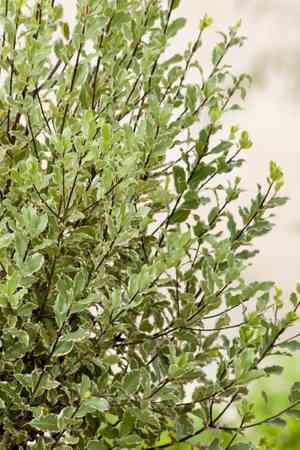
For kÅhÅ«hÅ«, the period just after spring, as temperatures rise, is ideal for transplanting, fostering vigorous root development. Select sunny locations with good drainage and carefully acclimate them to their new environment for optimal health.
What Preparations are Needed Before Transplanting KÅhÅ«hÅ«?
What is the Ideal Time for Transplanting KÅhÅ«hÅ«?
The optimal period for relocating kÅhÅ«hÅ« spans from late spring to early summer. During this timeframe, moderate temperatures and consistent moisture levels create an excellent environment for kÅhÅ«hÅ« to establish new roots, ensuring a smooth transition and vigorous development. This timing allows kÅhÅ«hÅ« to settle in before the peak summer heat, offering a perfect balance of warmth and light, while protecting delicate new roots from extreme temperatures. Utilize this window to ensure your kÅhÅ«hÅ« flourishes!
How Much Space Should You Leave Between KÅhÅ«hÅ« Plants?
When moving kÅhÅ«hÅ«, provide ample room for expansion. Ideally, position them approximately 5-6 feet (1.5-1.8 meters) apart. This spacing will enable the plants to spread out and establish themselves without overcrowding.
What is the Best Soil Mix for KÅhÅ«hÅ« Transplanting?
Remember, kÅhÅ«hÅ« thrives in rich, well-draining soil. Therefore, prepare the site with loamy or sandy soil enriched with a balanced base fertilizer before transplanting. Beginners often find granular or slow-release options easiest to apply.
Where Should You Relocate Your KÅhÅ«hÅ«?
Finally, select a location with abundant sunlight for your kÅhÅ«hÅ« plant. This species flourishes in full sun to partial shade. Providing approximately 6 hours of sunlight daily would be perfect for its healthy development.
What Equipments Should You Prepare Before Transplantation KÅhÅ«hÅ«?
Gardening Gloves
To safeguard your hands while handling the plant and soil.
Shovel or Spade
Perfect for excavating holes and lifting the plant.
Garden Trowel
Useful for more precise tasks during transplantation.
Watering Can or Hose
To hydrate the kÅhÅ«hÅ« plant during and after the transplanting process.
Organic Mulch
Helps maintain soil moisture and prevent weed growth post-transplant.
Wheelbarrow or Container
Required for transporting the plant from one spot to another.
Garden Pruners
Handy for trimming any damaged roots or dead sections of the plant.
How Do You Remove KÅhÅ«hÅ« from the Soil?
How Do You Remove KÅhÅ«hÅ« from the Soil?
From Ground: Start by thoroughly watering the kÅhÅ«hÅ« plant a day prior to the actual transplant. This will help minimize root damage. Then, using your shovel or spade, dig a wide circle around the plant's base, large enough to include many roots. Strive to keep the root system intact, cutting only smaller roots if necessary. Carefully lift the plant, ensuring minimal root disturbance.From Pot: Water your kÅhÅ«hÅ« plant well before removing it from its container to simplify the process. Turn the pot sideways and gently tap it to loosen the soil. Slide the plant out, holding it by its root ball. It is crucial not to pull it out by the stems.From Seedling Tray: Water your seedlings sufficiently to moisten the soil. Then use a garden trowel to carefully slide beneath the soil of each cell. Lift each kÅhÅ«hÅ« seedling out, holding it by its root ball or the soil surrounding the roots.
Step-by-Step Guide for Transplanting KÅhÅ«hÅ«
Preparation
Thoroughly water the kÅhÅ«hÅ« plant in its original location a day before transplanting. This facilitates easier and less stressful plant removal.
Digging
Excavate a hole at the new planting site, ensuring it is twice as wide as the plant's root ball.
Placement
Position the kÅhÅ«hÅ« plant into the hole. Make sure the top of the root ball is level with or slightly above the ground surface.
Backfill
Carefully refill the hole with the excavated soil, gently firming it around the root ball.
Watering
Thoroughly water the newly transplanted plant. This aids in settling the soil around the plant's base and rehydrates the plant.
Mulching
Apply a layer of organic mulch around the plant's base. This helps retain soil moisture and discourages weed growth.
How Do You Care For KÅhÅ«hÅ« After Transplanting?
Watering Regimen
For the initial weeks following transplantation, ensure the kÅhÅ«hÅ« plant receives ample water. This assists the plant in establishing itself in its new location. However, avoid excessive watering; the soil should be moist but not waterlogged.
Pruning
Trim away any dead or damaged parts of the plant using garden pruners. This helps redirect the kÅhÅ«hÅ« plant's energy towards developing new roots.
Monitoring
Observe the kÅhÅ«hÅ« plant for any signs of transplant shock, such as yellowing leaves or wilting. These could indicate issues like insufficient watering, overwatering, or disease. If noticed, promptly address the underlying problem.
Protecting
Depending on the season, shield your newly transplanted plant from harsh weather conditions. If temperatures are dropping, consider using a plant cover to protect your kÅhÅ«hÅ« from frost.
Troubleshooting Common Issues with KÅhÅ«hÅ« Transplantation.
When is the best time to transplant kÅhÅ«hÅ«?
The most appropriate time to move kÅhÅ«hÅ« is late summer to early fall (S3-S4). This allows the plant to acclimate before winter.
How much space should I ensure between each kÅhÅ«hÅ« when transplanting?
Provide each kÅhÅ«hÅ« ample room to breathe and expand. Allow approximately 5-6 feet (1.5-1.8 meters) of space between each plant.
What's the ideal soil condition for transplanting kÅhÅ«hÅ«?
KÅhÅ«hÅ« prefers well-drained soil. Ensure the soil is loosened and enriched with organic matter prior to transplanting for optimal growth.
How deep should I plant kÅhÅ«hÅ« when transplanting?
When transplanting kÅhÅ«hÅ«, ensure the hole is twice as wide and equally deep as the root ball. The top of the root ball should be flush with the surface.
What to do if the leaves of kÅhÅ«hÅ« are yellowing after transplanting?
Yellowing leaves can signal water stress. Ensure kÅhÅ«hÅ« receives adequate water, but avoid overwatering, which can lead to root rot.
Why is my transplanted kÅhÅ«hÅ« drooping?
KÅhÅ«hÅ« might droop due to transplant shock. Consistent watering and providing shade can help the plant recover within one to two weeks.
Should I prune kÅhÅ«hÅ« when transplanting?
Yes, it's advisable to prune kÅhÅ«hÅ« at transplanting time. Remove dead or unhealthy branches to encourage new growth, but avoid severe pruning.
How do I ensure good root development for kÅhÅ«hÅ« after transplanting?
Keep the soil consistently moist to promote root development. Also, consider using a root hormone in the planting hole.
Should I fertilize kÅhÅ«hÅ« immediately after transplanting?
Avoid immediate fertilization as this can shock the plant. Wait for 3-4 weeks post-transplant, then apply a slow-release fertilizer.
How to manage pests or diseases with kÅhÅ«hÅ« after transplanting?
Monitor for common pests and diseases. If symptoms appear, use organic pesticides or fungicides, and promptly remove any affected parts.



