How to Transplant Florida fishpoison tree?
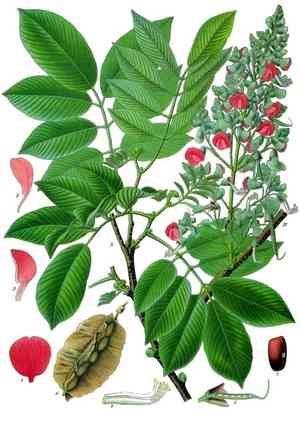
Florida fishpoison tree flourishes when transferred to the ground in the spring, provided it receives abundant light and has soil that drains effectively. Select a location that mirrors its natural environment to foster vigorous development.
What Preparations are Needed Before Transplanting Florida Fishpoison Tree?
What is the Ideal Time for Transplanting Florida Fishpoison Tree?
The prime period for relocating florida fishpoison tree is during the spring months. This timeframe allows for strong root development prior to the summer heat. Opting for this season ensures maximum transplant success for florida fishpoison tree due to mild temperatures and increased rainfall, which encourage healthy root growth. This timely action can significantly boost the vitality of your florida fishpoison tree. By selecting these nurturing months for your gardening efforts, you are setting florida fishpoison tree on a path to thrive.
How Much Space Should You Leave Between Florida Fishpoison Tree Plants?
Begin by marking your planting spots for florida fishpoison tree, maintaining a distance of approximately 6-8 feet (1.8-2.4 meters). This provides ample room for development and sufficient air circulation around each plant!
What is the Best Soil Mix for Florida Fishpoison Tree Transplanting?
Prepare the transplant area with soil that drains well and is rich in organic matter. A small amount of slow-release base fertilizer will give your florida fishpoison tree an excellent start. Remember, quality soil is crucial for robust growth!
Where Should You Relocate Your Florida Fishpoison Tree?
When deciding where to move your florida fishpoison tree, select a spot that receives full sun or partial shade. If possible, avoid intense midday heat, which can harm florida fishpoison tree. Happy gardening!
What Equipments Should You Prepare Before Transplantation Florida Fishpoison Tree?
Gardening Gloves
To safeguard your hands while working with soil and plants.
Shovel or Spade
You'll need this tool to excavate the hole for your florida fishpoison tree plant.
Watering Can
For hydrating the plant both prior to and following its relocation.
Pruning Shears
Useful for trimming back any overgrown sections of your florida fishpoison tree plant.
Gardening Trowel
Perfect for manipulating soil around your florida fishpoison tree, especially when moving it from a small pot or seedling tray.
Wheelbarrow or Garden Trolley
For moving the plant and soil, if transferring over a greater distance.
How Do You Remove Florida Fishpoison Tree from the Soil?
How Do You Remove Florida Fishpoison Tree from the Soil?
From Ground: Start by watering the florida fishpoison tree plant to moisten the soil, which facilitates removal. Next, dig a wide trench around the plant using a shovel or spade, ensuring you preserve as much of the root ball as possible. Dig deeply enough to keep all roots intact. Carefully lift the plant and its root ball from its original spot.From Pot: Water your florida fishpoison tree plant in its container. Use a trowel to gently ease the plant out of the pot, taking care with the root ball. If the plant doesn't come out easily, you can gently push the bottom of the pot to dislodge it. This should be done carefully to avoid root damage.From Seedling Tray: Gently water the florida fishpoison tree seedlings, then carefully extract them, ensuring their root systems remain intact. A spoon often works well for this task.
Step-by-Step Guide for Transplanting Florida Fishpoison Tree
Preparation
Clear the transplant area of any debris or weeds to ensure your florida fishpoison tree has the best chance to establish itself. Use the shovel or spade to dig a hole twice the width and the same depth as the root ball of your florida fishpoison tree. This will provide ample space for the roots to spread.
Transplantation
Place your florida fishpoison tree into the prepared hole. Ensure the top of the root ball is level with the surrounding soil to prevent waterlogging. Gently backfill the hole and press down the soil to eliminate any air pockets around the roots.
Watering
Immediately after transplanting, thoroughly water your florida fishpoison tree to help the roots settle. Water should penetrate all the way to the roots to encourage deeper soil penetration.
Training
Use your pruning shears to trim back any overgrown tips. This will allow the florida fishpoison tree to direct more energy towards root development rather than upper growth.
How Do You Care For Florida Fishpoison Tree After Transplanting?
Watering
For the initial few weeks post-transplant, keep the soil around the florida fishpoison tree consistently moist, but not waterlogged, to encourage root establishment.
Mulching
Consider applying mulch around the base of your florida fishpoison tree to help maintain stable soil moisture and temperature. Mulch also enriches the soil as it breaks down.
Monitoring
Observe your florida fishpoison tree for any indications of transplant shock, which may include wilting, yellowing, or leaf drop. If these signs appear, remain calm. Continue to water and care for the plant as usual. Over time, florida fishpoison tree should recover and begin vigorous growth.
Pruning
This should not be done immediately after transplanting. Wait several weeks before beginning this. Prune florida fishpoison tree during late winter to prepare it for new growth in the spring.
Troubleshooting Common Issues with Florida Fishpoison Tree Transplantation.
When's the best time to transplant florida fishpoison tree?
The optimal time to move florida fishpoison tree is during the early growth periods, specifically between late winter and early spring (S1-S3).
How much space does each florida fishpoison tree need when transplanting?
Florida fishpoison tree should ideally be spaced about 6-8 feet (1.8-2.4 meters) apart. This will give them adequate room to grow without competing for nutrients and sunlight.
How deep should I plant florida fishpoison tree during transplanting?
Plant florida fishpoison tree at the same depth it was growing in its previous container. This will provide stability and aid the plant in establishing its root system effectively.
What type of soil should I use when transplanting florida fishpoison tree?
Florida fishpoison tree thrives in well-drained soil. Enhance your transplant site with compost or organic matter to boost its fertility and drainage. Avoid sandy or overly clayey soils.
Can I transplant florida fishpoison tree in a pot?
Absolutely! Ensure the pot is sufficiently large for the root system and has proper drainage. Remember to use a high-quality, well-draining potting mix.
What should I do if the leaves of my transplanted florida fishpoison tree start to wilt?
Don't worry, temporary wilting is normal after transplanting. Keep the soil moderately moist and ensure the plant receives enough sunlight. If wilting persists, check for root rot or pests.
How frequently should I water my newly transplanted florida fishpoison tree?
Water florida fishpoison tree thoroughly immediately after transplanting and maintain a consistent watering schedule. The soil should be kept continuously moist, but not waterlogged.
How does sunlight affect the transplanting of florida fishpoison tree?
Florida fishpoison tree requires full sun exposure or partial shade for optimal growth. Ensure the transplant site is well exposed to natural light.
What to do if my transplanted florida fishpoison tree shows no growth?
The florida fishpoison tree might be adjusting to its new surroundings. Ensure you're providing sufficient sunlight, water, and nutrients. If the situation continues, consider seeking expert gardening advice.
Should I fertilize florida fishpoison tree after transplanting?
While it's not immediately necessary post-transplant, you should begin feeding florida fishpoison tree with a balanced fertilizer after 2-4 weeks to encourage healthy growth and recovery.



