How to Transplant Black pepper?
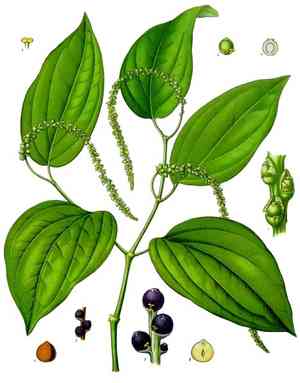
For black pepper, the onset of warmer temperatures is ideal for relocation, promoting vigorous development. Choose sites offering dappled sunlight and elevated moisture levels. When relocating black pepper, guarantee minimal disruption to the root system for successful establishment.
What Preparations are Needed Before Transplanting Black Pepper?
What is the Ideal Time for Transplanting Black Pepper?
Moving black pepper when buds emerge from dormancy provides a gentle head start, promoting vigorous development. Mild warmth and consistent weather conditions are favorable for successful root establishment for black pepper.
How Much Space Should You Leave Between Black Pepper Plants?
To begin your black pepper cultivation, evaluate your planting site. Your black pepper plants appreciate individual room, so aim for a separation of 1-2 feet (30-60 cm) between each plant during transplantation. This ensures they flourish without competing for resources.
What is the Best Soil Mix for Black Pepper Transplanting?
Next, let's get the ground ready! Black pepper thrives in well-draining soil with a slight acidity. Enhance your garden bed with a foundational fertilizer rich in phosphorus for optimal plant growth. Incorporating compost will also guarantee a nutrient-dense environment for your black pepper.
Where Should You Relocate Your Black Pepper?
Finally, select a spot that receives ample sunlight. Your black pepper requires full to partial sun for best growth. However, some shade during the most intense midday heat can prevent its delicate leaves from scorching. Best of luck with your planting!
What Equipments Should You Prepare Before Transplantation Black Pepper?
Spades and Shovels
These tools will be necessary to excavate the black pepper plant from its initial location and to prepare the new planting site.
Gardening Gloves
To safeguard your hands while handling soil and the plant.
Organic Compost
Supplies vital nutrients to the black pepper seedlings, aiding their rapid establishment.
Watering Can
For moistening the soil during initial removal, transplanting, and after transplantation.
Stakes and Ties
To offer support for the climbing black pepper plant and guard against wind damage.
Wheelbarrow
For moving the black pepper plant and soil/compost from one place to another.
How Do You Remove Black Pepper from the Soil?
How Do You Remove Black Pepper from the Soil?
From Ground: First, hydrate the black pepper plant to soften the earth. Then, carefully dig a wide trench around the plant using a spade or shovel, ensuring the plant's root ball remains intact. Gently work the spade beneath the root ball to lift the plant. Avoid stressing the plant by not pulling it out forcefully.From Pot/Container: Water the potting medium to loosen it. Invert the pot gently, while supporting the black pepper plant at its base. Tap the pot's sides or bottom, not too hard, to dislodge the root ball. Handle the plant by the base and not by the stems or leaves.From a Seedling Tray: Water the tray thoroughly. Using a thin stick or gardening trowel, carefully lift the black pepper seedling upwards from underneath, keeping as much soil around the roots as possible. Never pull the plant by the stem or leaves.
Step-by-Step Guide for Transplanting Black Pepper
Preparation
Ensure the new planting hole is twice as wide and the same depth as the black pepper plant's root ball. Mix some organic compost into the excavated soil to provide the plant with a nutrient boost.
Placing
Center the black pepper plant in the hole, making sure the top of the root ball is level with the soil surface. Backfill the hole gently and lightly firm the soil to eliminate air pockets.
Staking
Stake the black pepper plant immediately after transplanting. Insert the stake into the ground near the plant but not so close as to harm the roots. Secure the plant to the stake using soft ties.
Watering
Water the black pepper plant generously right after transplanting. The water will also help settle the soil around the root ball.
How Do You Care For Black Pepper After Transplanting?
Watering
Water the black pepper plant thoroughly after transplanting, and maintain consistent soil moisture thereafter. However, be careful not to overwater and make the soil waterlogged.
Fertilizing
After a couple of weeks, nourish the black pepper plant with a slow-release fertilizer suitable for perennials. Adhere to the manufacturer's instructions for application rates.
Staking
Periodically check the stakes and ties to ensure they are still supportive but not overly tight. Repair or replace them, if necessary.
Observation
Closely monitor the black pepper plants for any indications of stress or disease. If you notice leaves yellowing or dropping, consult a local garden center or extension service.
Troubleshooting Common Issues with Black Pepper Transplantation.
What is the optimal time of the year to transplant black pepper?
The ideal period to transplant black pepper is during the season 'S1'. The roots establish effectively during this time.
What is the preferred spacing while transplanting black pepper?
Aim to leave approximately 1-2 feet (30-60 cm) between each black pepper plant. This provides ample room for growth.
How much water should I provide to black pepper after transplanting?
Water black pepper immediately after transplanting to help settle the soil. Water regularly, but avoid excessive watering to prevent root rot.
What should I do if the leaves of black pepper start yellowing after transplantation?
Yellowing leaves could indicate overwatering or a nutrient deficiency. Review your watering schedule or consider applying a balanced fertilizer.
The growth of black pepper is stunted after transplantation. Why?
Insufficient light or nutrients might cause stunted growth. Ensure black pepper receives plenty of sunlight and apply a balanced fertilizer as needed.
Why are black pepper's leaves wilting despite regular watering post-transplant?
Wilting could be due to transplant shock or overwatering. Allow the plant to adapt to its new environment and check moisture levels.
I've transplanted black pepper in 'S1', but it's not thriving. What could be the issue?
Check soil pH, light conditions, and spacing. Black pepper prefers a pH of 6-6.5, full sunlight, and about 1-2 feet (30-60 cm) spacing.
Can I fertilize black pepper immediately after transplanting?
Wait 2-3 weeks post-transplant before fertilizing to prevent root burn. Begin with a slow-release, balanced fertilizer.
The black pepper plant looks limp right after transplanting. Should I be concerned?
Black pepper may experience transplant shock, causing it to appear limp. Keep the soil moist, without overwatering, and it should recover within a few days.
My fresh transplanted black pepper is experiencing insect infestation. What can I do?
Natural insecticides or neem oil can address insect issues. Moving forward, maintain healthy soil, proper spacing of 1-2 feet (30-60 cm), and diligent observation.



