How to Transplant Virginia pine?
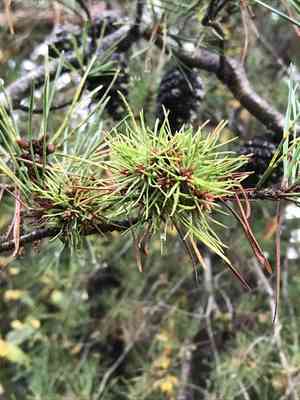
Welcome the arrival of mild spring weather by including virginia pine in your gardening intentions. Select a bright location with soil that drains effectively to ensure a thriving future for virginia pine. A gentle reminder: perseverance is crucial, as virginia pine establishes most successfully when given ample time.
What Preparations are Needed Before Transplanting Virginia Pine?
What is the Ideal Time for Transplanting Virginia Pine?
The best time to move virginia pine is during the pleasantly cool and damp periods of early to mid-spring. Relocating virginia pine at this time allows roots to establish before summer heat, promoting strong growth and resilience. Seize this opportunity to give virginia pine a vigorous start under gentle spring sunlight, setting the stage for a flourishing future. Remember, these initial steps ensure a healthy transition, preparing virginia pine for success!
How Much Space Should You Leave Between Virginia Pine Plants?
As virginia pine requires ample room to develop, aim for a minimum spacing of 12 feet (3.65 meters) to 20 feet (6.1 meters) between each plant. This prevents overcrowding and allows them to thrive.
What is the Best Soil Mix for Virginia Pine Transplanting?
Loamy soil enriched with a slow-release base fertilizer is perfect for virginia pine. The soil must drain well to prevent waterlogging and root rot. Ensure the fertilizer is mixed in before transplanting for optimal results.
Where Should You Relocate Your Virginia Pine?
Place virginia pine where it will receive full sun to partial shade daily. These plants flourish with abundant sunlight, so a garden area with maximum exposure would be an excellent starting point.
What Equipments Should You Prepare Before Transplantation Virginia Pine?
Shovel
A tool used to excavate the ground and extract the plant from its original spot.
Wheelbarrow
For moving the plant and soil without causing damage.
Gardening Gloves
To safeguard your hands while handling soil and plants.
Watering Can
To ensure the plant receives sufficient water before and after relocation.
Pruning Shears
Essential for trimming any damaged or diseased branches from the plant prior to transplanting.
Mulch
To cover the transplanted area, retaining moisture and inhibiting weed growth.
Stakes
To offer support to the newly transplanted plant if necessary.
How Do You Remove Virginia Pine from the Soil?
How Do You Remove Virginia Pine from the Soil?
From Ground: Prepare the virginia pine plant by thoroughly watering it a day or two before moving. This ensures the plant is well-hydrated, helping it cope better with the shock of being dug up. Use a shovel to dig around the roots, creating a trench wide enough to avoid disturbing the root ball. Gradually work the shovel beneath the root ball and lift the plant from its spot.From Pot: Water the plant thoroughly before beginning. Tilt the pot sideways, hold the plant steady by its stems or trunk, and gently wiggle the pot off. Avoid pulling the plant forcefully from the pot, as this can harm its roots.From Seedling Tray: If the virginia pine plant is young and in a seedling tray, water the tray well and allow it to drain. Press the bottom of the tray to release the seedling. Remember to handle it carefully by its leaves to prevent damage to the stem or roots.
Step-by-Step Guide for Transplanting Virginia Pine
Preparing the Transplant Site
Dig a hole twice as wide as the virginia pine plant's root ball, but no deeper than the root ball itself. This allows the roots to spread easily in their new environment.
Placing the Plant
Position the virginia pine plant in the hole, ensuring it stands upright. The top of the root ball should be level with or slightly above the surrounding soil.
Backfilling
Gently refill the hole, compacting the soil as you go. Ensure there are no air pockets around the roots, as these can cause roots to dry out.
Watering
Once the plant is in place and backfilled, water it thoroughly. This will settle the soil around the roots and help the plant recover from transplant shock.
Staking (if needed)
If the plant is large or in a windy location, you may need to stake it to provide support until its new roots establish.
How Do You Care For Virginia Pine After Transplanting?
Watering
After transplanting, ensure virginia pine receives appropriate watering. Frequent, light watering may be necessary during the initial weeks. Remember not to let the plant dry out, but also avoid overwatering.
Pruning
Instead of encouraging new growth, prompt your virginia pine to focus on developing strong roots. This can be achieved by pruning a third of the plant after you have transplanted it.
Monitoring
Regularly inspect the plant for any indications of disease or insect infestation. Address any issues promptly to prevent further damage.
Troubleshooting Common Issues with Virginia Pine Transplantation.
What's the ideal period in the year to transplant virginia pine seedlings?
The best time to replant virginia pine seedlings is during the S1-S2 period of the year. This timeframe offers optimal conditions for the plant to settle and grow.
How much space should I leave between each virginia pine when transplanting?
Ideally, maintain a distance of 12-20 feet (3.7-6.1 meters) between each virginia pine to provide ample room for growth and prevent overcrowding.
What should the hole depth be when transplanting virginia pine?
The hole should be twice as wide and the same depth as the root ball. This facilitates root spread and development after transplant.
How do I ensure virginia pine survives after transplanting?
Ensure virginia pine is adequately watered but not overwatered. The soil should be moist, not saturated. Use a layer of mulch to retain moisture and regulate soil temperature.
What to do if virginia pine show signs of browning after transplanting?
Browning might indicate transplant shock. Keep the plant well-watered and reduce direct sunlight exposure. If the problem persists, consult a plant expert.
How can I avoid root damage when transplanting virginia pine?
Handle the root ball with care during the transplant process. Avoid any rough handling or dropping of the root ball. Be gentle during the planting process.
Why isn't my virginia pine growing after being transplanted?
Growth may slow after transplanting as virginia pine adapts to its new environment. Maintain proper care, and if the issue continues, consider a soil test.
Should I fertilize virginia pine immediately after transplanting?
Fertilizing right after transplanting can cause root burn. Wait for 3-4 weeks, then apply a mild, slow-release fertilizer specifically formulated for virginia pine.
Do I need to prune virginia pine after transplanting?
Light pruning can help virginia pine redirect energy towards root development. However, be careful not to over-prune as it could stress the plant.
What kind of soil is best for transplanting virginia pine?
Virginia pine thrives in well-draining soil. A mix of loamy and sandy soil, with a pH range from acidic to slightly alkaline, is ideal.



