How to Transplant Japanese black pine?
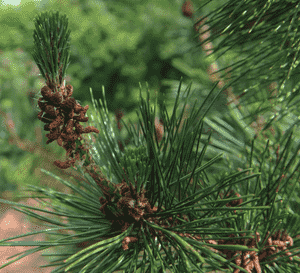
For Japanese black pine, the ideal period for relocation is in the invigorating early to mid-spring, guaranteeing effective adaptation. Select locations with good drainage and abundant sunlight. Should stability be an issue, protection from powerful gusts is advantageous.
What Preparations are Needed Before Transplanting Japanese Black Pine?
What is the Ideal Time for Transplanting Japanese Black Pine?
The optimal period to move japanese black pine is at the start to middle of spring. This timeframe offers mild weather, fostering root development without the stress of extreme temperatures. Relocating japanese black pine now enhances their vitality, as the gentle conditions aid recovery and growth, making your garden a haven for these resilient plants. Remember, the success of japanese black pine in its new spot depends on this careful timing, setting the stage for a strong and healthy future.
How Much Space Should You Leave Between Japanese Black Pine Plants?
When relocating your japanese black pine, ensure ample room for growth. Aim for a distance of approximately 6-8 feet (1.8-2.4 meters) between each plant. This allows them to flourish and reach their full potential.
What is the Best Soil Mix for Japanese Black Pine Transplanting?
Before planting japanese black pine, prepare a soil blend of sandy, well-drained earth with a slightly acidic pH. Incorporate a balanced, slow-release fertilizer into the soil to support the plant's initial development.
Where Should You Relocate Your Japanese Black Pine?
Select a site for your japanese black pine where it will receive full sunlight. These plants thrive in sun and require at least 6 hours of direct sun exposure daily. Ensure the location also has good air circulation to prevent potential diseases.
What Equipments Should You Prepare Before Transplantation Japanese Black Pine?
Shovel or garden spade
To excavate a hole in the ground and free the japanese black pine plant from its current position.
Hand trowel
This smaller implement will assist in removing the plant from a container without harming its root system.
Gardening Gloves
To safeguard your hands while handling the plant and the soil.
Watering can or hose
For hydrating the plant before and after its relocation.
Burlap
For wrapping the root ball during transport if the distance to be covered is significant.
Wheelbarrow
To move the japanese black pine plant and its root ball to the new planting site.
How Do You Remove Japanese Black Pine from the Soil?
How Do You Remove Japanese Black Pine from the Soil?
From Ground: First, hydrate the japanese black pine plant to moisten the soil, making extraction easier. Next, dig a trench around the plant using a shovel or garden spade, ensuring sufficient distance to avoid damaging the tree's root system. Once a perimeter is formed, slide the shovel beneath the roots, lifting the plant from its spot. Wrap the root ball in burlap for protection during transit.From Pot: If the japanese black pine plant is in a container, water it thoroughly. Then, tilt the pot sideways and, while holding the plant's base, gently pull it out. If it's stuck, tap the pot's rim on a firm surface to loosen the roots and soil.From Seedling Tray: If the japanese black pine plant is a seedling in a tray, handle it with care. Water the tray to loosen the soil and carefully lift the seedling by its leaves, not the stem. Use a hand trowel to scoop it and the surrounding soil.
Step-by-Step Guide for Transplanting Japanese Black Pine
Soil Preparation
Prepare the soil in your new location. It should be deep enough to fully cover the japanese black pine's root ball. Break up any clumps and remove any rocks or debris.
Placement
Position the japanese black pine plant in the hole, ensuring it stands upright. The top of the root ball should be level with or slightly above the surrounding soil.
Backfill
Use the remaining soil to fill in around the japanese black pine plant, gently firming it with your foot or hands. Avoid stomping or pressing too hard, as this can compact the soil, hindering root expansion.
Watering
Water the newly planted japanese black pine immediately, ensuring enough water reaches the roots. This helps settle the soil around the plant.
How Do You Care For Japanese Black Pine After Transplanting?
Watering
After relocating the japanese black pine, water it consistently. The soil should remain slightly damp, but prevent overwatering to avoid root rot.
Pruning
In the initial year post-planting, refrain from pruning. Allow the japanese black pine to establish itself. From the second year onward, prune to shape the japanese black pine during its dormant winter period.
Monitoring
Watch for any indications of transplant shock, such as wilting, yellowing, or leaf drop. If these symptoms persist, consult a local nursery or an online community.
Troubleshooting Common Issues with Japanese Black Pine Transplantation.
When is the correct time to transplant japanese black pine?
The optimal period for relocating japanese black pine is during the transition between two main seasons. Fall to early winter is suitable.
What is the optimal spacing needed when transplanting japanese black pine?
For healthy development, allow 6-8 feet (1.8-2.4 meters) of space between each japanese black pine during transplantation. This promotes adequate air circulation and spread.
How deep should I plant japanese black pine while transplanting?
Japanese black pine should be planted at the same depth as it was in its original container. Always ensure the uppermost roots are covered by soil.
What type of soil is best for transplanting japanese black pine?
Japanese black pine prefers slightly acidic, well-draining soil. If your garden soil is heavy clay or very sandy, consider adding organic matter to improve its structure.
How much watering does japanese black pine need right after transplanting?
Initially, thoroughly soak japanese black pine and maintain a regular water supply until it is established. However, do not overwater to prevent root rot.
Is it necessary to prune japanese black pine after transplanting?
Light pruning to remove any broken or dead branches is beneficial. Extensive pruning after relocating japanese black pine may stress the plant, delaying growth.
Should I stake japanese black pine after transplanting?
If japanese black pine is tall or exposed to frequent strong winds, staking can provide stability. However, allow for slight movement to encourage strength development.
Can I fertilize japanese black pine soon after transplanting?
Wait at least a year before fertilizing newly transplanted japanese black pine to prevent root burn. Compost or organic mulch will provide good nourishment in the interim.
Can I transplant japanese black pine in a pot?
Yes, but select a container large enough to accommodate japanese black pine's mature size. Ensure it has drainage holes to prevent water stagnation.
How to protect newly transplanted japanese black pine from pests or diseases?
Regularly inspect japanese black pine for any signs of pests or diseases. Keep the surrounding area clean, and apply organic pesticides when necessary.



