How to Transplant Chinese pine?
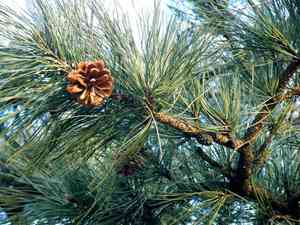
The most favorable period for relocating chinese pine is at the onset of its revitalization, usually during the mild temperatures of early to mid-spring. Select a bright spot featuring soil that drains effectively. Should it be required, improve the connection between the roots and the indigenous soil to foster successful integration.
What Preparations are Needed Before Transplanting Chinese Pine?
What is the Ideal Time for Transplanting Chinese Pine?
The optimal period for relocating chinese pine is at the onset of spring. This timeframe offers mild temperatures and sufficient rainfall, aiding root establishment. Transplanting chinese pine then capitalizes on the season's gentle climate, encourages vigorous growth, and ensures a flourishing future for these resilient evergreens.
How Much Space Should You Leave Between Chinese Pine Plants?
When planting chinese pine, ensure each young tree has ample room to develop. Ideally, young trees should be spaced approximately 10-12 feet (3-3.65 meters) apart. This provides each plant sufficient area for its roots and branches to fully expand.
What is the Best Soil Mix for Chinese Pine Transplanting?
For chinese pine, well-drained soil is essential. Prior to transplanting, enrich the soil with a foundational fertilizer, such as aged compost or thoroughly decomposed manure. This supplies nutrients to the young plants and promotes healthy development.
Where Should You Relocate Your Chinese Pine?
Remember, chinese pine requires a location with abundant sunlight. Select a spot where the plant will receive full sun for the majority of the day. This will help chinese pine grow strong and vibrant.
What Equipments Should You Prepare Before Transplantation Chinese Pine?
Gardening Gloves
To safeguard your hands while handling soil and plants.
Spade or Shovel
For digging the planting hole for chinese pine and extracting the plant from its original spot.
Gardening Fork
To loosen the soil surrounding the plant before relocation.
Pruning Shears
To trim any damaged roots or branches prior to transplanting.
Wheelbarrow
To move the chinese pine tree from its initial location to the new planting site.
Watering Can or Hose
To irrigate the plant before and after its transfer.
Mulch
To assist in retaining soil moisture post-transplanting.
How Do You Remove Chinese Pine from the Soil?
How Do You Remove Chinese Pine from the Soil?
From Ground: First, water the chinese pine to moisten the soil. Next, excavate a wide trench around the tree using a spade or shovel, ensuring the plant's root ball remains intact. Carefully work the spade beneath the root ball to lift the tree from its original position.From Pot: Begin by watering the chinese pine to make the soil damp. Turn the pot on its side, grasp the tree near its base, and gently pull to release it. If it resists, tap the bottom of the pot to loosen the soil and try again. Be careful not to pull too forcefully and harm the plant.From Seedling Tray: Water the seedling tray thoroughly. Use a small tool or your fingers to push up from the tray's bottom to dislodge the chinese pine seedlings. Handle the delicate plant by its leaves to avoid damaging the fragile stem.
Step-by-Step Guide for Transplanting Chinese Pine
Plan Ahead
Select the appropriate season for transplanting chinese pine. The dormant period, when the tree is not actively growing, is generally the most favorable time.
Prepare Planting Hole
Dig a hole twice as wide and the same depth as the chinese pine root ball. Loosen the soil on the sides of the hole with a gardening fork.
Place the Plant
Gently position the chinese pine into the hole. Verify that the top of the root ball is level with the ground surface.
Backfill the Hole
Carefully refill the hole, gently firming the soil around the root ball. Do not cover the top of the root ball with soil.
Water Thoroughly
After transplanting, provide the chinese pine with a generous watering. Ensure that the water reaches the root ball.
Mulch Around the Base
Finally, apply a layer of mulch around the tree's base to help retain moisture.
How Do You Care For Chinese Pine After Transplanting?
Watering
Keep the soil around the chinese pine consistently moist, but not waterlogged, for the initial weeks post-transplant to aid in strong root establishment.
Pruning
Limit pruning to only damaged or diseased branches for the first year after transplanting, allowing the chinese pine to prioritize root development.
Monitor Health
Watch for indications of transplant shock, such as yellowing foliage or a lack of new growth. If these symptoms appear, ensure the chinese pine receives adequate water and protect it from extreme temperatures and wind.
Pests and Disease
Regularly inspect the chinese pine for any signs of pests or disease, and take action at the first indication of an issue.
Patience
Remember, transplanting is a significant event for a plant, and it may take time for the chinese pine to establish and exhibit new growth. Be patient and provide the necessary care.
Troubleshooting Common Issues with Chinese Pine Transplantation.
When is the best time to transplant chinese pine?
The optimal period to relocate chinese pine is between early spring and early summer, often referred to as S1-S2. This is when the plant is semi-dormant, minimizing transplant shock.
What's the correct spacing for successful chinese pine transplantation?
Aim for a spacing of 10-12 feet (3-3.7 meters). This provides chinese pine ample room to grow without competing for nutrients and sunlight, fostering better development.
How deep should I plant chinese pine when transplanting?
Ensure chinese pine is planted at the same depth as its previous location, as planting too deep can lead to stem rot. The prior soil mark on the stem can serve as a reliable guide.
How should I prepare the transplant site for chinese pine?
Prepare a hole twice the width of chinese pine's root ball. Work the soil thoroughly to loosen it, helping the roots establish quickly and ensuring good drainage.
What about watering chinese pine during the transplanting process?
Water chinese pine thoroughly after transplanting, then irrigate regularly for the initial several weeks. Adjust watering based on weather conditions, aiming to keep the soil moist but not saturated.
How long does it take for chinese pine to establish after transplanting?
Chinese pine requires up to one full growing season to fully establish. During this period, it needs consistent care regarding watering, mulching, and protection from pests and diseases.
What should I do if chinese pine looks unhealthy after transplanting?
First, confirm it's properly watered and protected from pests. If the issue persists, it might be transplant shock. Consider using a transplant solution rich in root-boosting nutrients to assist.
Do I need to prune chinese pine at the time of transplanting?
No, avoid extensive pruning during transplanting. Pruning stimulates new growth, which can stress the plant. Only remove any dead or damaged branches, allowing energy for root development.
What kind of soil is most suitable for chinese pine?
Chinese pine thrives in well-drained, slightly acidic to neutral soil (pH 6.0 to 7.0). Incorporating organic matter like compost can enhance soil texture and nutrient content, promoting the plant's growth.
How do I reduce transplant shock in chinese pine?
To minimize transplant shock in chinese pine, water it thoroughly before and after transplanting. Providing shade during the first few days and using a root-promoting supplement can also be beneficial.



